
24/7 Customer Support

Free returns

Same-day & Next-day Delivery

Quality Guaranteed

Unlock Your Welcome Offers: FREE Delivery | Up to 80% OFF | Free 30-day JoyPlus trial
Download the APP
Choosing between curry sauces and mixes can seem straightforward until you compare jars, sachets, curry roux blocks and ready-to-heat pouches. Heat ratings are not always consistent, serving sizes vary, and a product described as “quick” may still require several cooking steps.
For UK households, the most useful choice depends on the cuisine, preparation time, dietary requirements and the ingredients you plan to add. This guide explains the main buying pitfalls and highlights practical options for Indian, Japanese, Thai and Chinese-style meals.
A jar of Indian curry sauce, such as a korma sauce or madras curry sauce, often needs meat, vegetables or paneer added and must be simmered until the food is fully cooked. A curry roux also requires water or stock, plus cooked ingredients.
Check phrases such as “cooking required”, “not ready to eat” and the stated simmering time. For example, Sharwoods Madras Cooking Sauce advises frying the chosen ingredients before adding the sauce and simmering for 15–20 minutes.
A “hot” label is a useful starting point, but it does not create a standard comparison between Indian, Japanese, Thai and Chinese products. A vindaloo sauce, hot curry sauce or extra-hot Japanese curry may suit chilli enthusiasts but could be unsuitable for a family meal.
If you are unsure, choose a mild or medium curry mix and adjust the finished dish with chilli, black pepper or fresh ingredients. This is easier than trying to reduce excessive heat after cooking.
Curry products may contain or mention wheat, gluten, mustard, celery, soya, milk, fish, crustaceans, peanuts or nuts. Thai cooking sauces can include fish sauce or shrimp paste, while Japanese curry roux commonly contains wheat and may include celery, mustard or soya.
Always read the current UK packaging before purchase, particularly if cooking for vegetarians, vegans or anyone with an allergy. Opened jars and pouches often require refrigeration and should be used within the period stated on the label.
Choose by flavour as well as chilli strength:
Compare the pack size with the intended meal. A 450g jar may be suitable for a family recipe when combined with meat or vegetables, while a 50g sachet is a seasoning base rather than a complete dish. Japanese roux blocks can offer multiple portions, but the nutrition panel may show relatively high salt, fat or sugar per 100g.
For example, S&B Golden Curry Sauce Mix products use concentrated blocks, so measure how much you add rather than assuming the full pack is required.
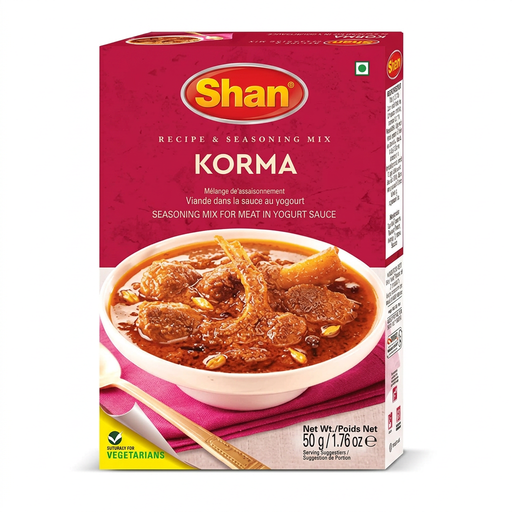
Why This Fits Their Persona: A compact seasoning sachet is useful for trying a korma-style recipe without committing to a large jar or multi-serving sauce.
The sachet format and printed instructions make the required ingredients and preparation steps clear before cooking.
50g sealed sachet; no preservatives or artificial flavours are listed in the supplied product description.
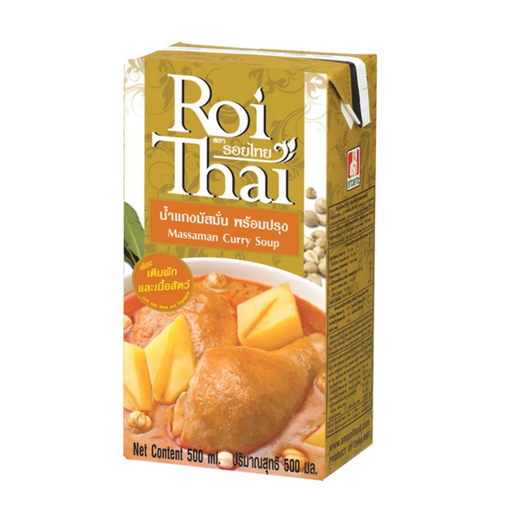
Why This Fits Their Persona: Suitable for shoppers seeking a coconut-rich Thai curry base with warm spices for a more distinctive home-cooked meal.
The ingredient list makes the presence of shrimp paste and fish sauce visible, helping buyers avoid an unsuitable purchase.
500ml format; coconut milk is listed at 47%; designed to simmer with meat and vegetables for 15–20 minutes.

Why This Fits Their Persona: A practical choice for regular Japanese curry meals, batch cooking and households that prefer a stronger chilli level.
The hot rating is stated clearly, while the block format allows users to portion the mix rather than opening a full liquid sauce.
220g block pack; listed as 12 servings; dissolves into approximately 600ml of water for half a box.
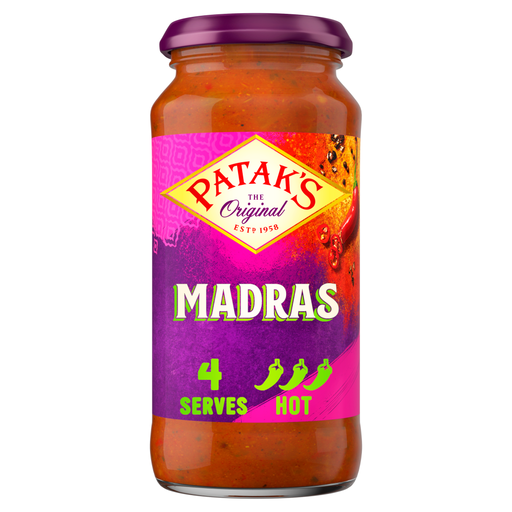
Why This Fits Their Persona: Its vegan and vegetarian suitability makes it useful for creating a quick curry meal with cauliflower, tofu, chickpeas or other vegetables.
The supplied details identify it as gluten-free, vegan and vegetarian suitable, while also advising buyers to check the mustard and possible nut warnings.
450g jar; chilli rating 3, described as hot; preparation guidance indicates a 20-minute curry.
We have compiled a complete, real-time list of products that fully satisfy these strict selection criteria and UK safety regulations.
Fry your chosen meat, tofu or vegetables first, then add the cooking sauce and simmer according to the label. Indian curry sauces commonly take around 15–20 minutes after the ingredients have been browned. Serve with rice, naan, chapatti or noodles.
A mild curry sauce, mild Japanese curry roux or medium curry mix is generally easier to serve to different preferences. You can add chilli separately for adults rather than making the whole dish hotter. Check dairy, wheat, mustard and soya information before serving.
Follow the individual label because instructions differ. Many opened jars should be refrigerated and used within a few days, while some products advise immediate use. Transfer leftovers to a clean, sealed container where instructed, and never use packaging that is swollen, damaged or leaking.