
24/7 Customer Support

Free returns

Same-day & Next-day Delivery

Quality Guaranteed

Unlock Your Welcome Offers: FREE Delivery | Up to 80% OFF | Free 30-day JoyPlus trial
Download the APP
Choosing curry sauces and mixes should make dinner easier, not leave you with an unsuitable heat level, an unexpected allergen or a product that serves fewer people than expected. Supermarket shelves and online listings include jars, curry paste, curry roux blocks, seasoning sachets, ready-to-heat pouches and complete kits, each designed for a different style of cooking.
The main buying traps are easy to overlook:
Cooking sauces are usually the quickest option: fry meat, vegetables, tofu or paneer, add the sauce and simmer. For example, a 450g Indian curry cooking sauce is often designed for one pan and a short cooking time.
Curry roux blocks need to be dissolved in water or stock. They are practical for Japanese curry because you can use part of a pack, adjust the thickness and add potatoes, carrots, onions or your chosen protein. Check whether the instructions refer to half a box or a full box, as this determines how much liquid and how many portions you need.
Curry paste and Laksa curry kits offer a more aromatic Southeast Asian profile but may require coconut milk, noodles, stock or fresh ingredients. A kit can reduce the number of separate spices required, although it may include allergens such as shrimp paste.
Curry seasoning mix sachets are compact and useful when you want to build a dish from fresh tomatoes, onions, meat or vegetables. They generally provide seasoning rather than a finished sauce, so allow time and ingredients for the recipe.
For family meals, a mild curry sauce such as Korma or mild Japanese curry is usually easier to adapt. You can add chilli at the table rather than trying to reduce excessive heat in the saucepan.
A medium hot curry sauce is a flexible choice for regular home cooking. Japanese curry roux blocks tend to produce a thick, smooth sauce, while an Indian-style Madras sauce typically has a tomato and spice base.
Hot curry sauce, Vindaloo sauce and some Madras products are more suitable for chilli enthusiasts. Compare the stated chilli rating, ingredient list and serving instructions rather than relying only on the cuisine name.
UK food labels identify regulated allergens in bold, but recipes and packaging can change. Check the current label before purchase, particularly for:
Also distinguish between ambient products and opened products requiring refrigeration. Some jars advise consuming within three days of opening, while a dry curry mix should be sealed against moisture. Follow the pack’s cooking guidance and heat prepared food thoroughly.

Why It Suits This Shopper: A solid block format gives new cooks a straightforward way to prepare Japanese-style curry with meat, onions and vegetables.
The mild rating is more suitable for families than jumping straight to a hot sauce, while the instructions specify water quantities for half or full-box cooking.
220g pack; portionable blocks; suitable for adding potatoes, carrots and other vegetables.
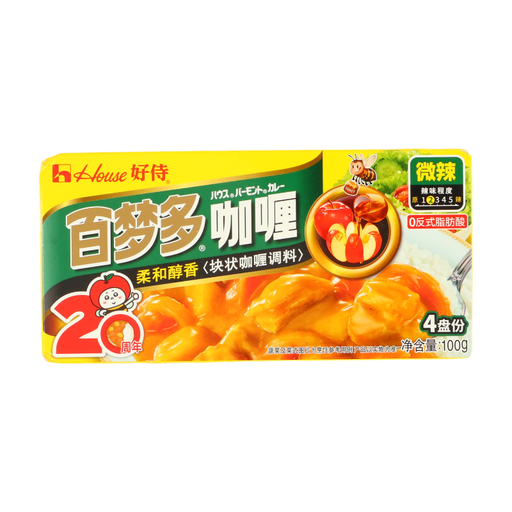
Why It Suits This Shopper: Suitable for shoppers looking for a Japanese curry roux with a medium heat profile and a smooth, thickened sauce.
The product details clearly list wheat, milk, soya and sulphites, helping shoppers check compatibility before ordering.
Block format; 100g quantity; designed to dissolve in simmering water or stock.
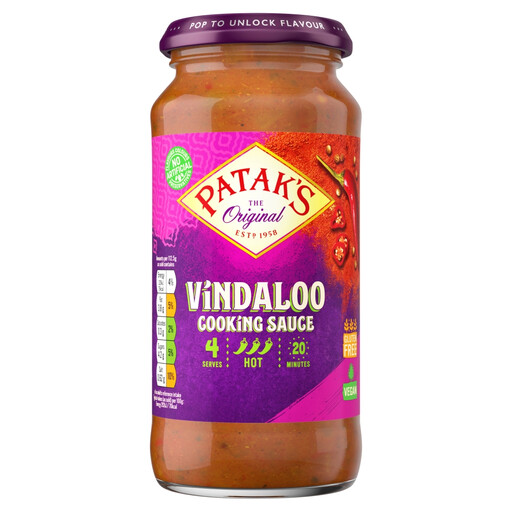
Why It Suits This Shopper: A practical choice for chilli enthusiasts who want a hot Indian sauce for meat or vegetables in a short preparation window.
The listing identifies it as hot and gives a 20-minute preparation method, so buyers can plan around the heat and cooking time.
450g jar; suitable for vegans; gluten-free according to the supplied product information.
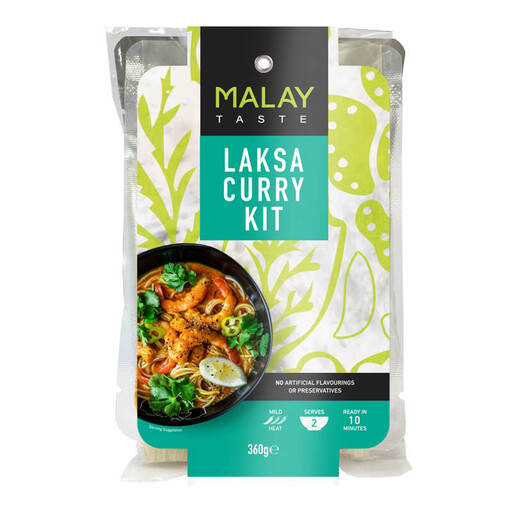
Why It Suits This Shopper: A convenient Southeast Asian option for shoppers who want laksa-style flavours without sourcing numerous separate spices.
The kit format makes the included components clear, while the allergen information identifies shrimp paste before purchase.
360g kit; includes laksa curry paste and dried seasoning mix; designed for noodles and chosen proteins.
We have compiled a complete, real-time list of products that fully satisfy these strict selection criteria and UK safety regulations.
For an Indian curry cooking sauce, compare tomato content, chilli level and whether the sauce is suitable for vegan or vegetarian meals. Madras sauces are generally spicier and tomato-led, while Korma sauce tends to contain coconut, cream or milk.
For Chinese curry sauce, check whether the product is a concentrate requiring additional ingredients or a ready-made sauce. For Japanese curry sauce mix, compare pack size, number of blocks and the stated water quantity. If you want a one-pan meal with minimal preparation, a dried curry mix with rice may be more convenient than a roux block.
Some are, but suitability varies by recipe. Certain Vindaloo and Madras sauces are labelled suitable for vegans, while Japanese roux blocks may contain milk, soya or other ingredients. Always check the current packaging and allergen statement.
There is no single lifespan. Many jarred sauces advise refrigeration and use within three days after opening. Dry blocks and seasoning mixes should be sealed and stored as directed. Use the manufacturer’s storage guidance and do not use damaged or bloated packaging.
A ready-made cooking sauce generally requires frying your chosen ingredients and simmering the sauce. Curry roux blocks require water and cooking time but allow more control over portions and texture. A Laksa curry kit can be convenient when you want several Southeast Asian components together, although you may still need noodles, coconut milk or fresh ingredients.