
24/7 Customer Support

Free returns

Same-day & Next-day Delivery

Quality Guaranteed

Unlock Your Welcome Offers: FREE Delivery | Up to 80% OFF | Free 30-day JoyPlus trial
Download the APP
Choosing curry sauces and pastes can seem straightforward until you compare heat ratings, preparation methods, pack sizes and allergen information. A jar or packet may promise an easy shortcut, but the wrong format can leave you with too much product, an unsuitable spice level or a sauce that does not match your preferred style of cooking.
Whether you want a Japanese curry sauce mix for a family dinner, Thai curry paste for home cooking or a mild korma sauce for a quick midweek meal, check the details before adding to your basket.
“Mild”, “medium hot” and “hot” are useful starting points, but they are not standardised measurements across every cuisine or manufacturer. A Thai green curry paste may taste more chilli-forward than a Japanese medium-hot curry roux, while a Chinese curry sauce is often designed around a gentler, savoury flavour.
If you are cooking for several people, consider buying a concentrated paste or roux that can be added gradually. This gives you more control than a ready-made sauce with a fixed spice level.
Some Thai curry pastes contain shrimp paste, while others may include fish-related ingredients or traces of crustaceans. For example, red, green, yellow and Massaman curry paste products can contain shrimp, even when the finished recipe is intended to include vegetables.
Always read the full ingredient list and allergen declaration. “No meat contained” does not automatically mean a product is suitable for every vegetarian, vegan or allergy-conscious diet.
A 50g sachet may suit a small household or occasional meal, whereas a 220g Japanese curry roux can provide several portions. Opened jars and pouches also have different storage requirements. Some need refrigeration and should be used within a stated period, while unopened retort sauces can generally be stored in a cupboard.
Check the net quantity, suggested usage and post-opening instructions before buying multiple packs.
Choose according to the flavour profile as well as chilli strength:
UK food labels identify regulated allergens using emphasis such as bold type, but recipes can change. Look for wheat, gluten, soya, milk, mustard, celery, sesame, peanuts, fish and crustaceans where relevant. Products containing wheat flour may not suit gluten-free diets, while Thai pastes containing shrimp are unsuitable for people avoiding crustaceans.
For vegetarian meals, choose a product clearly described as meat-free and still verify the ingredients. The S&B Golden Curry Sauce Mix Medium Hot No Meat Contained, for example, is designed for vegetable-based curry, although its label still lists wheat, celery and mustard.
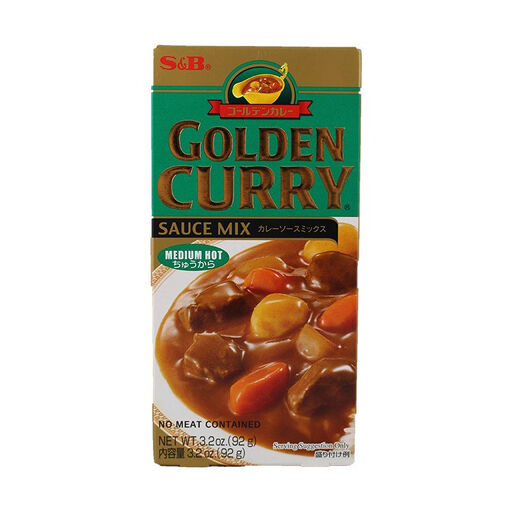
Why This Fits Their Persona: The smaller pack is practical for first-time buyers, couples or shoppers who want to try Japanese curry without committing to a larger box.
The medium-hot format gives a clearer starting point than choosing an unlabelled concentrated paste, and the instructions explain how to dissolve the mix during cooking.
Japanese-style sweet-savoury flavour; compact 92g format; suitable for pairing with meat or vegetables.
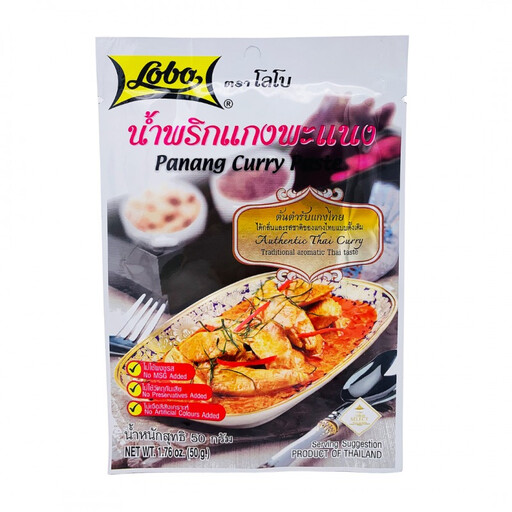
Why This Fits Their Persona: A focused Thai-style option for cooks who value aromatic ingredients and want to build a curry with coconut milk or stock.
The ingredient and allergen information makes the presence of wheat, soya, milk and sesame clear, helping shoppers avoid unsuitable purchases.
Made in Thailand; 50g concentrated paste; can be used in curries, stir-fries or marinades.
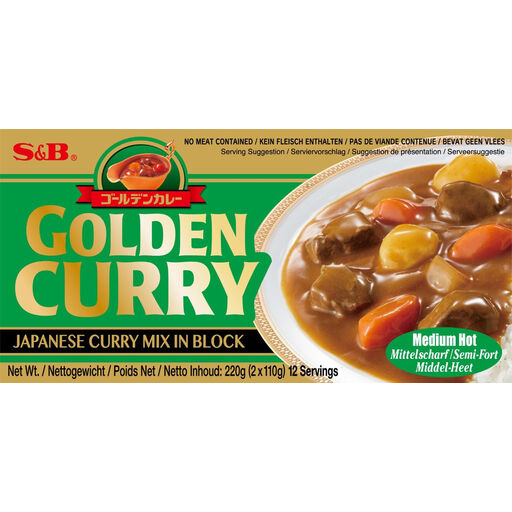
Why This Fits Their Persona: The larger block format suits batch cooking, family dinners and vegetable-based meal preparation.
Portionable blocks let you use part of the box, reducing the risk of making more curry than needed. The label also identifies it as containing no meat.
220g multi-serving pack; medium-hot seasoning; works with vegetables, rice or noodles.
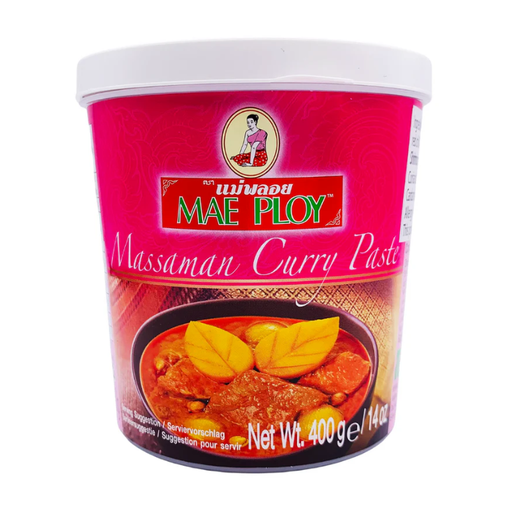
Why This Fits Their Persona: The 400g format is suited to frequent Thai cooking, larger households and cooks who want a concentrated base for repeated meals.
The usage guidance explains that the paste must be cooked and combined with coconut milk, helping prevent the common mistake of treating concentrated paste as ready-made sauce.
400g pack; suitable for meat or hearty vegetables; includes shrimp, cumin, coriander, cinnamon and cardamom.
We have compiled a complete, real-time list of products that fully satisfy these strict selection criteria and UK safety regulations.
Curry sauce is usually ready to heat or requires minimal preparation. Curry paste is more concentrated and normally needs coconut milk, stock or other ingredients. Japanese curry roux sits between the two: solid blocks dissolve into liquid to create a thick sauce.
It depends on the product. Dry curry roux should be sealed and stored as directed, while opened pastes and sauces commonly need refrigeration. Check the packaging for the recommended period; some products advise consumption within two weeks or within a few days.
A mild curry sauce, korma sauce or mild Japanese curry roux is generally a practical starting point. For mixed households, use a sauce or paste that can be portioned separately, allowing diners to add chilli or other seasoning to their own serving.