
24/7 Customer Support

Free returns

Same-day & Next-day Delivery

Quality Guaranteed

Unlock Your Welcome Offers: FREE Delivery | Up to 80% OFF | Free 30-day JoyPlus trial
Download the APP
Choosing curry sauces and pastes is not simply a matter of picking the hottest jar on the shelf. UK shoppers are often comparing Indian curry sauce, Thai curry paste, Japanese curry sauce mix and curry masala without checking how each product is designed to be used. The wrong choice can lead to an overly salty meal, unsuitable allergens or a sauce that does not match the ingredients in your cupboard.
As the Joybuy Product Recommendation Officer, I focus on separating useful product details from broad marketing language. These are the points worth checking before you buy.
A jar of cooking sauce for curry is usually combined with meat, vegetables or a plant-based ingredient and simmered. A Thai curry paste, by contrast, normally needs coconut milk, stock or another liquid. A curry masala or curry seasoning mix may also require fresh tomatoes, onions, oil or yoghurt.
Always read the preparation instructions. For example, a 50g sachet of Shan Masala Chicken Butter is a recipe and seasoning mix, while a 450g jar of Madras sauce is intended to be added to ingredients and simmered.
A red curry paste is not automatically hotter than a green curry paste, and a mild sauce may still contain a considerable amount of salt or sugar. Chilli ratings are useful for a general indication, but flavour also depends on ingredients such as dried chilli, black pepper, mustard, ginger, galangal and fenugreek.
For family meals, consider the full ingredient list rather than relying only on terms such as “authentic”, “rich” or “restaurant-style”.
Many curry products contain or may contain mustard, wheat, celery, sesame, milk, soya, peanuts, tree nuts or crustaceans. Thai pastes frequently include shrimp paste, while Korma sauce often contains dairy or coconut.
After opening, storage varies. Some sauces should be refrigerated and used within three days, while Thai pastes may remain usable for longer if tightly sealed and refrigerated. Check the actual packaging, particularly if you are buying for someone with an allergy.
Choose the style that suits the meal:
Read the bold allergen statement and compare the salt content if you are choosing between products. Solid curry blocks can be convenient but may contain wheat, celery, mustard and flavour enhancers. Thai pastes can have a high salt concentration because they are used in smaller quantities.
For a product used regularly, also check pack size, number of servings, refrigeration requirements and whether the sauce must be consumed immediately after opening.
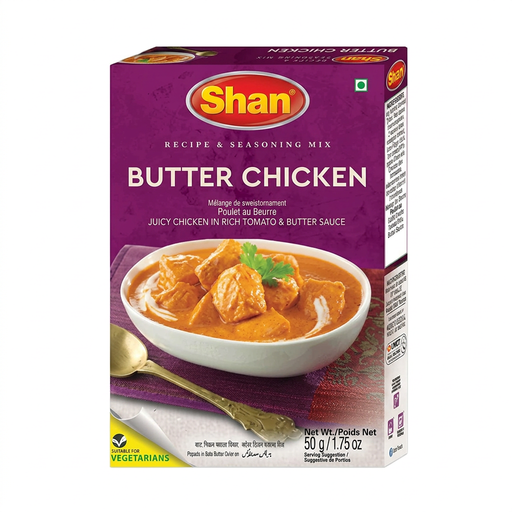
Why This Fits Their Persona: A compact sachet is practical for first-time cooks who want to try a butter chicken-style recipe without buying a large jar.
It is clearly presented as a recipe and seasoning mix, so shoppers are less likely to mistake it for a ready-to-pour sauce.
50g sealed sachet; instructions are included on the pack; no artificial flavours or preservatives are listed in the supplied description.
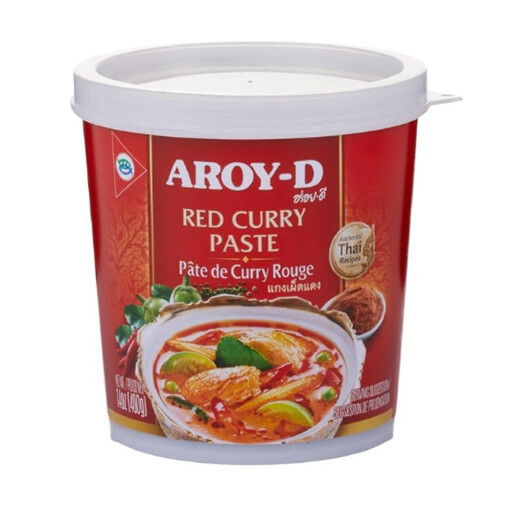
Why This Fits Their Persona: A larger Thai paste tub suits cooks who want a strong aromatic base for several meals rather than a single-use sachet.
The ingredients identify shrimp paste, making it easier to rule out the product before purchase if crustaceans are unsuitable.
200g format; includes red chillies, lemongrass, galangal and shallots; refrigerate after opening and use within two weeks according to the supplied details.
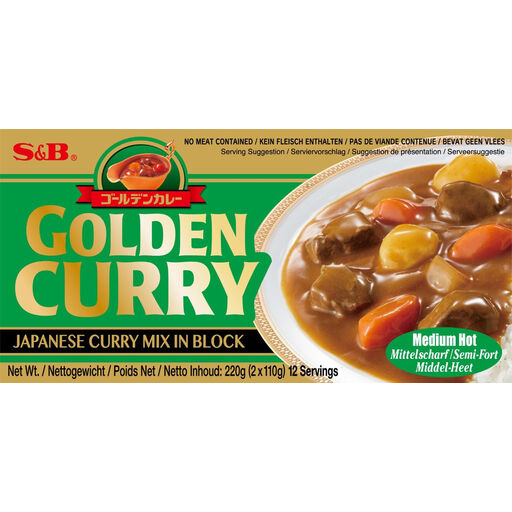
Why This Fits Their Persona: Designed for Japanese-style vegetable curry, it is useful for batch cooking, meat-free meals and households serving curry with rice or noodles.
The product is specifically labelled as containing no meat, while the instructions state the approximate water quantity for half or a full box.
220g block format; portionable pieces; suitable for vegetables; contains wheat, celery and mustard, which should be checked before buying.
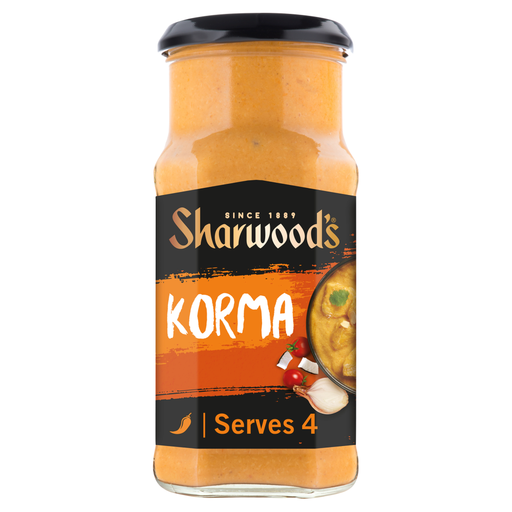
Why This Fits Their Persona: Its mild profile and 420g jar format are convenient for family dinners with chicken, vegetables or other preferred ingredients.
The mild style is stated clearly, and the milk allergen is listed rather than hidden behind broad flavour descriptions.
420g jar; contains cream and coconut; suitable for vegetarians according to the supplied product information.
We have compiled a complete, real-time list of products that fully satisfy these strict selection criteria and UK safety regulations.
A jarred cooking sauce is usually the simplest option because it can be simmered with cooked or partially cooked ingredients. Solid Japanese curry blocks are also convenient, particularly for batch meals with potatoes, carrots and onions.
There is no single storage period. Some jarred sauces advise immediate use after opening, while others require refrigeration and consumption within three days. Thai curry pastes can have different instructions, so follow the label rather than assuming they are shelf-stable.
Some pastes can be combined with stock, but the intended flavour and texture may change. Check the preparation directions: Thai green curry paste, red curry paste and Massaman curry paste are commonly paired with coconut milk, while curry masala may be designed for a wider range of recipes.