
24/7 Customer Support

Free returns

Same-day & Next-day Delivery

Quality Guaranteed

Unlock Your Welcome Offers: FREE Delivery | Up to 80% OFF | Free 30-day JoyPlus trial
Download the APP
As a Joybuy Product Recommendation Officer, my role is to help you navigate the crowded marketplace. Choosing the right cushion pads might seem straightforward, but a few common missteps can lead to lumpy, flat or ill-fitting cushions that spoil the look of your home. Before you add anything to your basket, let's look at the frequent pitfalls that can turn a simple home refresh into a frustrating waste of money.
Many of us have experienced the disappointment of a cushion that looks great for a week, only to deflate into a sad, limp square. This is often due to low-quality filling that lacks resilience. Another frequent issue is a poor fit; buying a cushion insert that is the exact same size as your cover almost guarantees a saggy, under-filled appearance. Finally, a flimsy casing on the pad itself can easily rip when you are trying to stuff it into a snug cover, leaving you with a mess of filling material.
By understanding a few key parameters, you can easily avoid these problems and select cushion fillers that will keep your home looking comfortable and stylish for years to come.
To ensure your cushions look plump and feel comfortable, pay close attention to three core factors: the filling, the size and the construction of the pad itself.
The material inside your cushion pad determines its comfort, longevity and appearance.
This is the single most important tip for achieving a professional, high-end look. To avoid a saggy, sad-looking cushion, always choose a cushion inner that is slightly larger than your cushion cover.
As a general rule of thumb, select a pad that is 2-5 cm (or 1-2 inches) larger on each side. For example:
This extra volume ensures the cover is filled out to the corners, creating a firm and inviting cushion.
The fabric shell that holds the filling—the pad's casing—is crucial for durability. A weak casing can split at the seams, especially when being inserted into a tight-fitting cover. Look for pads with a hard-wearing cover material, such as polypropylene, and check for reinforced or double-stitched seams. This small detail signals a well-made product that is built to withstand regular use and plumping.
Based on these practical criteria, here are some recommended options matched to different needs and households across the UK.
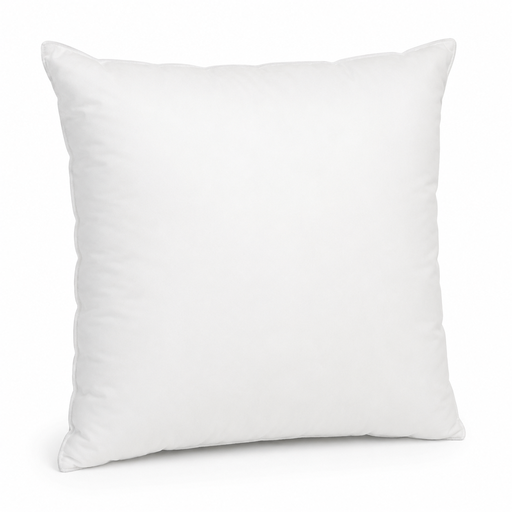
Why This Fits Their Persona: Ideal for anyone looking to quickly and affordably refresh their living room or bedroom. This standard size fits a huge range of popular cushion covers, making it a versatile and cost-effective way to breathe new life into your decor.
The 100% hollowfibre polyester filling is designed to retain its shape and plumpness, resisting the common 'goes flat' problem. Its hard-wearing polypropylene cover with double stitching prevents rips during insertion.
Provides excellent plumping capability for a consistently full look. The durable construction ensures a longer lifespan than basic cushion fillers.
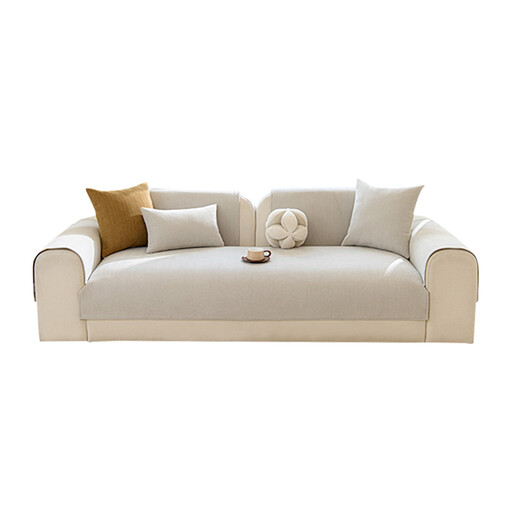
Why This Fits Their Persona: For households with pets, children or anyone wanting to protect their furniture investment. This is not a filler, but a protective and stylish layer for your sofa.
This product directly addresses the need to protect furniture from daily wear, spills and stains. Its non-slip backing prevents the annoying bunching and sliding common with other sofa protectors.
Acts as a durable barrier for your sofa upholstery. The chenille fabric and herringbone pattern add a touch of texture and style, enhancing your decor while providing protection.
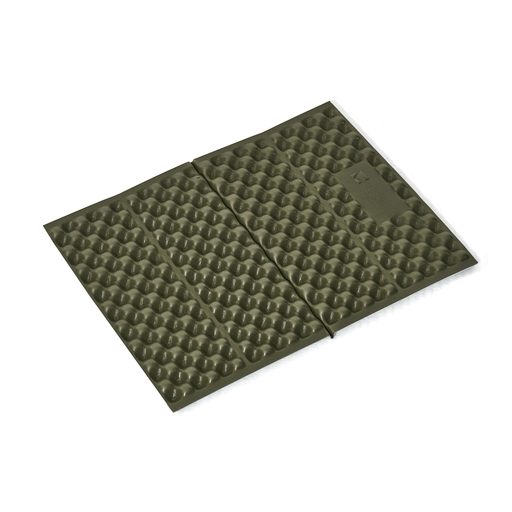
Why This Fits Their Persona: A must-have for UK hikers, campers, festival-goers and anyone who enjoys a picnic. This is a purpose-built, portable seating solution for comfort on the go.
This pad is designed for function, not fluff. The XPE foam structure provides insulation and support, not plumpness, so it cannot 'go flat'. It is a standalone product, eliminating any sizing issues.
Extremely lightweight (approx. 45g) and foldable for easy packing. The egg-crate design insulates you from cold and damp ground, a common challenge during UK outdoor activities.
We have compiled a complete, real-time list of products that fully satisfy these strict selection criteria and UK safety regulations.
For a plump, full-looking cushion, always buy a cushion pad that is 2-5cm (1-2 inches) larger than your cushion cover. For example, if you have a 50x50cm cover, a 55x55cm pad would be a suitable choice. This ensures the corners are filled out properly.
Hollowfibre is a type of synthetic filling where the individual polyester fibres have a hollow centre. This structure traps air, making the filling light, lofty and good at retaining its shape after being compressed. It's a practical and popular choice for everyday sofa and bed cushions.
To extend the life of your cushion inserts, plump them vigorously and regularly—at least once a week for frequently used cushions. This redistributes the filling and helps maintain the loft. Always follow the care label instructions for cleaning, and if the pads get damp, ensure they are thoroughly air-dried to prevent mould and odours.