
24/7 Customer Support

Free returns

Same-day & Next-day Delivery

Quality Guaranteed

Unlock Your Welcome Offers: FREE Delivery | Up to 80% OFF | Free 30-day JoyPlus trial
Download the APP
Custard is a familiar British dessert staple, but the right choice depends on how you plan to use it. A carton of ready-to-serve custard suits a quick pudding, while custard powder gives you more control over thickness and portion size. International products, baby-friendly pots and custard-flavoured snacks require different checks altogether.
As the Joybuy Product Recommendation Officer, I focus on practical details rather than packaging promises. Before adding custard to your basket, watch for these common buying traps.
Ready-to-serve custard is convenient, but an opened carton or tin generally needs refrigeration and should be consumed within a stated period. For example, several products in this category advise using opened custard within three days. Buying a large family pack may appear economical, but it can create waste if your household only serves custard occasionally.
Check:
A low-fat custard may still contain a substantial amount of sugar. Ambrosia Light Devon Custard, for example, lists 2.0g of fat and 7.4g of sugars per 100g in the supplied product information. That makes the nutrition panel more useful than front-of-pack wording alone.
Compare energy, fat, saturates, carbohydrate, sugars and salt per 100g, rather than comparing serving sizes that differ between products.
Custard products can contain or may have come into contact with milk, egg, wheat, soya and nuts. A Korean custard bungeoppang, for example, may include wheat, egg, milk and soya, while a Thai pandan custard mix can contain milk and egg.
“Gluten-free” also needs careful interpretation. Check the ingredients and allergen statement on the current packaging, especially if the product is intended for a baby, someone with an allergy or a person following a medically advised diet.
Custard powder is usually a dry maize-starch-based product that requires cooking with milk or another liquid. It stores conveniently in a cool, dry cupboard and lets you adjust thickness. Bird’s Custard Powder 350g is an example of a traditional powder format.
A custard mix may include sugar, milk powder, flavourings and additional ingredients. Some only require hot water, while others must be cooked. CHECKERS Custard 3 in 1 Milk 400g is described as combining milk powder, custard flavouring and sweetness, with preparation using hot water.
Ready-to-serve custard is suitable when speed matters. It can normally be served chilled or gently heated, but follow the pack instructions and avoid boiling where specified. Morrisons Ready To Serve Custard 500g is listed as suitable for serving cold or warming on the hob or in a microwave.
Use the per 100g panel for a fair comparison. A family-sized Devon custard may offer a lower-fat formulation, while a dessert or snack product can be considerably higher in sugar or fat.
For example:
These are different product types, so they should be compared according to use rather than treated as interchangeable foods.
Cooking instructions affect texture and safety. Lobo Thai Custard Mix Pandan Flavour requires water, heating and continuous stirring before chilling. Once prepared, it should be refrigerated and consumed within the period shown on the label.
For custard for babies, follow the stated age guidance and serving instructions. Heinz Egg Custard is labelled for babies aged 6+ months, while Heinz Fruit Medley Custard is also supplied in a 6+ months format. Always supervise a baby while eating, check the temperature before serving and discard leftovers according to the label. Do not use baby food if a safety button is raised or packaging is damaged.
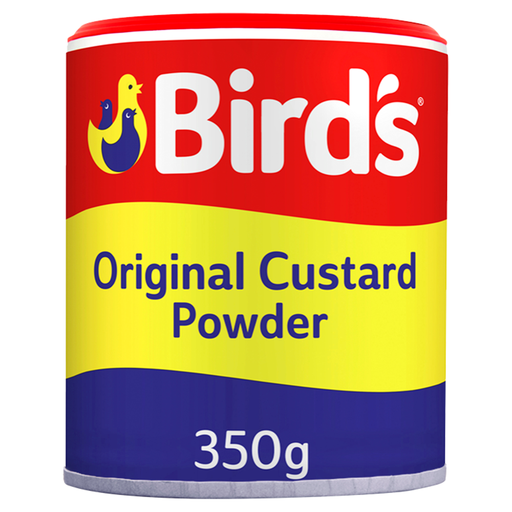
Why This Fits Their Persona: A cupboard-friendly format suits households that make puddings intermittently and want to prepare only the amount required.
The dry powder avoids opening a large ready-to-serve pack when only a small quantity is needed. It still requires preparation, so allow time for cooking.
350g dry format; suitable for serving with pies, crumbles and trifles. Store in a cool, dry place before preparation.

Why This Fits Their Persona: This ready-to-serve Devon custard suits shoppers who want a familiar dessert accompaniment without mixing powder or measuring milk.
The 400g pack is more manageable than a larger family format for occasional desserts. Once opened, it should be refrigerated and used within three days.
Ready to serve hot or cold; contains milk and lists 100mg calcium per 100g in the supplied nutrition information.
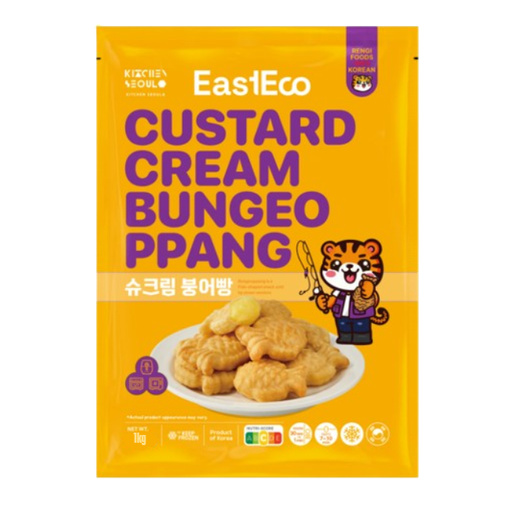
Why This Fits Their Persona: A bulk frozen pack is suited to families or hosts who want Korean custard bungeoppang for sharing, snacks or dessert occasions.
The frozen format makes the storage requirement clear. Keep at -18°C, cook from frozen and do not refreeze after thawing.
1kg family pack; can be cooked in an air fryer, oven or microwave. Contains wheat, egg, milk and soya.
We have compiled a complete, real-time list of products that fully satisfy these strict selection criteria and UK safety regulations.
It depends on the price, milk requirements and portion size. Powder can reduce waste because you prepare the quantity needed, but you must account for the cost of milk and cooking energy. Ready-to-serve custard costs more per pack in some cases but saves preparation time.
Many ready-to-serve products advise refrigeration after opening and consumption within three days. Prepared custard powder and mixes may have different instructions. Always follow the specific label rather than relying on a general storage rule.
Some products are specifically labelled for babies from 6+ months, such as the supplied Heinz egg and fruit custard options. Use only products with suitable age guidance, check allergens, serve at a safe temperature and supervise your baby while eating. Ordinary adult custard should not automatically be treated as suitable for weaning.