Refreshment-break organisers
If guests will help themselves alongside tea or coffee, work out how many biscuit portions to provide and how guests will see the relevant allergen information.


Choose custard creams for a shared tea or coffee break, and boxed chocolates when you want gifts or a separate chocolate treat. You can offer both, but plan portions and check each delivered pack’s ingredients and allergen information before deciding how to serve them.
The purpose of the order changes the useful pack format: biscuits for a refreshment station call for a different serving plan from chocolates handed out as gifts.
If guests will help themselves alongside tea or coffee, work out how many biscuit portions to provide and how guests will see the relevant allergen information.
If the treat is intended for guests to take away, consider a boxed chocolate selection rather than treating an ordinary biscuit packet as a gift box. Check the chosen assortment against dietary requests.
A gluten-free or vegan description answers only part of a guest’s question. Check the exact product, its allergen information and the arrangements for keeping portions separate.
Decide whether the food is for a shared break, a gift or both. Then compare the actual packs for portioning, dietary suitability and storage.
Choose when: guests will select biscuits at a tea or coffee station.
Plan for: portions from a shared pack and accessible allergen information; an ordinary custard cream is not suitable for every dietary request.
Choose when: presentation or a chocolate assortment matters more than providing a tea-break biscuit.
Plan for: checking every relevant ingredient and allergy warning in the chosen selection, not just its front-of-pack description.
Consider when: you want a chocolate-covered biscuit rather than an ordinary custard cream or an assortment of chocolates.
Plan for: biscuit portions and the exact coated product’s allergen information; the coating does not establish dietary suitability.
| Priority | What to check | Your needs |
|---|---|---|
| Serving purpose | Decide whether guests will take food from a refreshment station or receive a gift. Identify biscuit packets, chocolate selections and chocolate-coated biscuits as different formats. | I’m putting out biscuits with tea and coffee, rather than handing each guest a chocolate gift. |
| Allergens | Read the exact pack’s ingredients and allergy warnings. Match them to guests’ stated requirements and consider how the food will be handled when served. | A dietary label alone won’t answer a guest’s specific allergy question; I need the information for the product I’ll actually serve. |
| Portions | Compare the planned servings with the pack weight, biscuit count or individually packed portions where stated. Do not assume one chocolate box serves a particular number of guests. | I need enough portions for the break and a way to distribute them that suits the event. |
| Storage and timing | Follow the selected pack’s storage instructions and inspect its best-before information when it arrives. Marks & Spencer specifies cool, dry storage away from sunlight for its examined chocolate selection. | If I’m ordering ahead, I need somewhere suitable to keep the chocolates and time to check the delivered packs. |
An ordinary custard cream, a chocolate-coated biscuit and a chocolate selection box serve different purposes at a conference. Their pack descriptions and allergen information also differ.
Decide what belongs at the shared break and what, if anything, will be given as a gift. Check each exact product before finalising the serving plan.
Marks & Spencer labels its examined Made Without Dairy chocolate selection vegan but warns that it is unsuitable for people with nut or peanut allergies.
Match each guest’s requirements to the chosen pack’s allergen information, and consider separation and handling when the food is served.
These product examples show why the exact pack matters. A description for one biscuit or chocolate selection should not be applied to every product from its brand.
Iceland Foods describes the examined McVitie’s Tasties product as a 300 g packet of cream-filled custard cream biscuits.
Marks & Spencer lists both boxed chocolate selections and a separate 191 g white-chocolate-coated custard cream product.
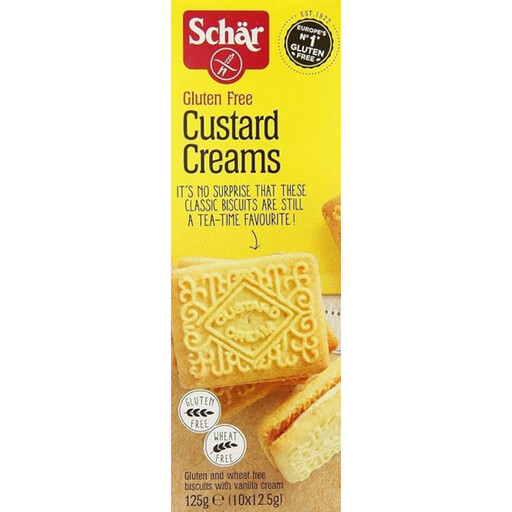
Sainsbury’s lists the examined 125 g gluten-free custard creams as five individual packs of two biscuits.
The examined Essential Custard Creams are a 150 g packet described by Waitrose & Partners as containing approximately 12 biscuits.
These options include a custard cream for a conference break and boxed chocolates for gifts or a separate treat. Choose the format first, then check the delivered product and the number of portions you need.
 No image available
A custard cream option for the refreshment break, labelled gluten-free in its 125 g product name. Check the delivered pack against any guest’s specific allergy requirements and confirm its portions before setting up the station.
 No image available
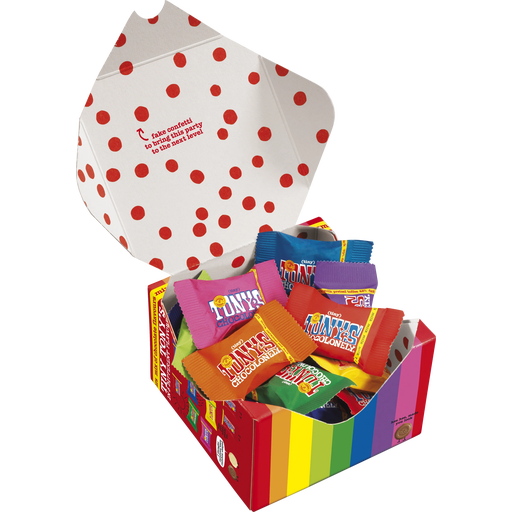
This 180 g chocolate mix comes in a gift-box format rather than a biscuit packet for the tea station. Check the delivered assortment and its allergen statement before giving boxes to guests.
 No image available
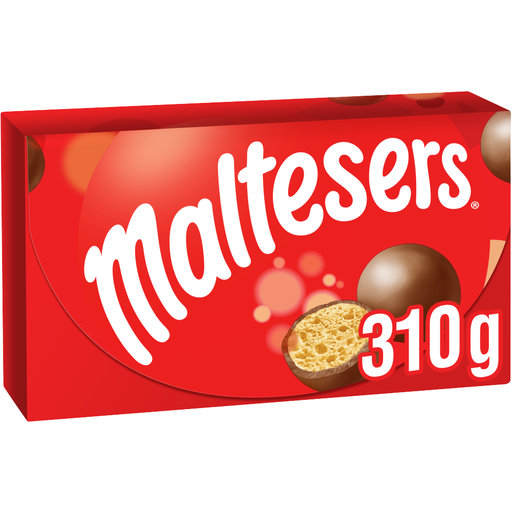
A 310 g boxed chocolate option when the conference order includes gifts or a separate chocolate treat. Work out how the box will be distributed, and check its label for guests’ dietary requirements.
 No image available
This 200 g assorted chocolate cornet fits the chocolate-treat route rather than the custard-cream break. If you intend to share it among guests, check the delivered pack for a piece count and its allergen information.
 No image available
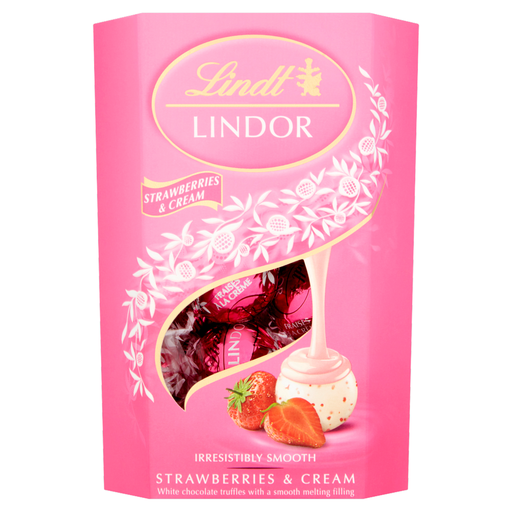
The 200 g Strawberries & Cream cornet is a distinct flavour choice for a chocolate gift or separate treat. Confirm portions and read the delivered pack’s allergen information before serving it.
No. Match the request to the exact product’s allergen information: the examined M&S vegan chocolate selection warns that it is unsuitable for people with nut or peanut allergies, while the Schär biscuit description addresses gluten-free suitability. Food Standards Scotland also advises separation and careful handling to reduce allergen cross-contact.
Follow the chosen pack’s instructions. Marks & Spencer specifies a cool, dry place away from sunlight for its examined chocolate selection and directs buyers to the pack for its best-before date.
Yes, how a food business presents the biscuits matters. Food Standards Scotland says allergen information must be provided for non-prepacked food in Scotland and describes options including a menu, sign, shelf label or verbal information. Establish how the caterer will present the food and make that information accessible to guests.
Establish how the portions are packaged and supplied before choosing a labelling approach. For food sold prepacked for direct sale in Scotland, Food Standards Scotland says a full label is required, with regulated allergens emphasised in the ingredients list; it distinguishes this from non-prepacked food. The caterer should identify which arrangement applies rather than treating every serving method alike.