Cheesecake bakers choosing a filling
For a base without cream-filled biscuits, consider plain digestives and follow a recipe that specifies how to press and chill the crumb mixture. Dr. Oetker’s cheesecake-base method uses digestives.


Choose plain digestives when you want a base without a cream filling and the cheesecake filling will supply most of the flavour. Choose custard creams when you want vanilla-flavoured sandwich biscuits in the base or as decoration. Dr. Oetker and Silver Spoon specify different biscuit and butter quantities for their respective recipes, so follow a method for the biscuit and tin you use, and check the ingredients on the pack.
For a base without cream-filled biscuits, consider plain digestives and follow a recipe that specifies how to press and chill the crumb mixture. Dr. Oetker’s cheesecake-base method uses digestives.
If vanilla-flavoured sandwich biscuits are part of the dessert you have in mind, a custard-cream recipe gives you quantities and a method for using them in the base. Silver Spoon’s cheesecake recipe also uses them as decoration.
Check the particular biscuit pack and every other dessert ingredient. A dietary statement on the biscuits alone does not establish whether the finished dessert meets someone’s requirements.
Choose the biscuit type to suit the dessert, then compare the recipe’s quantities and the information on the pack.
| Priority | What to check | Your needs |
|---|---|---|
| Biscuit type | Check whether the recipe calls for plain digestives or filled custard creams. Tesco describes its custard creams as sandwich biscuits with vanilla-flavoured filling. | I want the filling to supply most of the dessert’s flavour, so I’m considering plain digestives. If I want vanilla-flavoured biscuits in the base, I’ll use a custard-cream recipe instead. |
| Recipe quantities | Dr. Oetker specifies 250 g digestives and 125 g butter for its 9-inch tin. Silver Spoon specifies 300 g custard creams and 100 g butter for its 20 cm tin; follow the relevant method rather than transferring quantities between them. | Before buying, I’ll check the biscuit weight and tin size in the recipe I plan to make. |
| Ingredients | Read the exact pack’s ingredients and allergen statements, then check the rest of the dessert. Tesco lists wheat and milk ingredients for its custard creams; Asda’s vegan-labelled digestives also say they may contain milk. | Someone eating the dessert has a dietary requirement, so I need to assess the whole recipe and the particular packs I use. |
| Pack weight and storage | Add up pack weights against the recipe’s biscuit quantity: one 200 g pack will not supply Silver Spoon’s 300 g custard-cream base. Follow the purchased pack’s storage directions for biscuits left over after baking. | I’d rather work out how many packs the recipe needs before ordering and store any unused biscuits as directed. |
Dr. Oetker’s digestive base and Silver Spoon’s custard-cream base use different biscuits, quantities and tin sizes. One recipe’s butter quantity should not automatically be used for the other.
Choose the biscuit first, then follow a method written for that type and your tin.
Silver Spoon calls for 300 g of custard creams in its base. The checked M&S pack is 165 g and the Sainsbury’s pack is 200 g, so neither pack alone supplies that quantity.
Compare the combined pack weight with the amount your recipe specifies.
Using either of those pack sizes for Silver Spoon’s base would require more than one pack.
The Asda digestives listed as suitable for vegans also carry a “may contain milk” statement. The other ingredients in a cheesecake need checking separately.
Read the label on the exact pack and assess every ingredient against the eater’s requirements.
An Original Digestives option for a plain-digestive recipe.
A 300 g custard-cream pack to compare with a recipe specifying that biscuit weight.
Own-label custard creams with a vanilla-flavoured filling.
An own-label 200 g custard-cream pack.
Own-label listings include both custard creams and plain digestives.
Extra Cream Custard Creams for a dessert in which the vanilla-flavoured filling is part of the intended biscuit choice.
These are digestive-biscuit options for considering a digestive base. The chocolate varieties are distinct from the plain digestives in Dr. Oetker’s recipe; none is a custard cream.
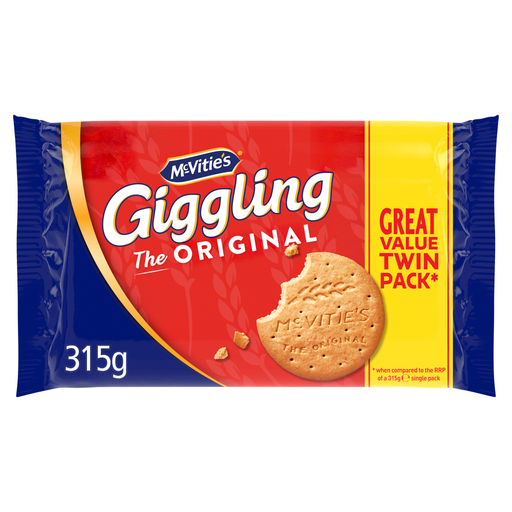 No image available
A plain digestive option to consider when following a digestive-base recipe. This twin pack contains 2 × 315 g; check the recipe’s required weight and the pack’s ingredients before baking. It is not a vanilla-filled custard cream.
 No image available
A 400 g digestive option for a biscuit base, with a Zero Sugar Free variant name. Check its ingredients and whether the recipe you choose is written for this particular biscuit; it is not a custard cream.
 No image available
A dark-chocolate digestive variant for a dessert where that flavour is intended. The pack contains 2 × 266 g; check a suitable recipe rather than assuming the quantities for Dr. Oetker’s plain-digestive base will transfer.
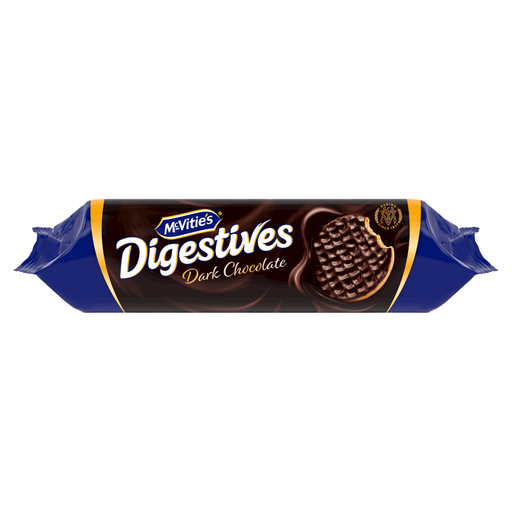 No image available
A 400 g dark-chocolate digestive pack to consider when chocolate is part of the intended dessert. It differs from the plain digestives specified in Dr. Oetker’s base, so check the method and quantities you plan to use.
 No image available
A 400 g milk-chocolate digestive pack for a dessert where that variant suits the recipe. It is neither a plain digestive nor a custard cream; check the chosen method and the pack’s ingredients before use.
Do not assume the quantities transfer between recipes. Dr. Oetker specifies 125 g butter with 250 g digestives for a 9-inch tin, while Silver Spoon specifies 100 g butter with 300 g custard creams for a 20 cm tin. Follow a method for the biscuit and tin you use.
The cited Dr. Oetker and Silver Spoon methods process the biscuits, press the mixture into a tin and chill it; use the instructions for your chosen recipe. For unused biscuits, follow the pack’s storage directions. Asda’s custard-cream listing advises a cool, dry place and an airtight container after opening.
Not by itself. Asda labels its checked digestive pack suitable for vegans but also states that it may contain milk. Check that statement against the eater’s requirements, along with every other ingredient in the cheesecake; Dr. Oetker’s standard digestive-base example uses butter.