Dark-cocoa flavour seekers
If the chocolate matters more than the filling, distinguish a labelled dark-chocolate biscuit from a milk-chocolate-coated custard cream. Switching biscuit types also means giving up the custard-cream sandwich.


Choose a classic custard cream if the vanilla-filled sandwich is what you want: the M&S and ASDA chocolate-coated custard creams described here use milk chocolate, not dark chocolate. If a dark-chocolate coating matters more than the filling, consider a biscuit labelled as dark chocolate instead, and check its cocoa declaration, serving information and allergens.
If the chocolate matters more than the filling, distinguish a labelled dark-chocolate biscuit from a milk-chocolate-coated custard cream. Switching biscuit types also means giving up the custard-cream sandwich.
If you want the vanilla-filled sandwich, a plain custard cream keeps that format. Use the pack’s per-biscuit figures and storage instructions when deciding how many to take from an opened pack.
Read the particular pack before eating: the cited plain, coated and dark-chocolate biscuits have different ingredient and precautionary statements. GOV.UK says specified allergens used as ingredients in prepacked food must be identified in the ingredients list.
Decide whether the custard-cream filling or a dark-chocolate label matters more, then compare the portion and ingredients of the biscuit you would actually eat.
| Priority | What to check | Your needs |
|---|---|---|
| Chocolate type | Read the coating description, then distinguish the amount of chocolate on a biscuit from the cocoa-solids percentage in that chocolate. M&S describes its coated custard cream as milk chocolate and its separate dark rounds as dark chocolate. | I want a darker cocoa taste, so a milk-chocolate-coated custard cream may not be what I mean by dark. |
| Biscuit format | Check whether the product is a vanilla-filled custard cream, a coated custard cream or another biscuit. M&S describes its dark-chocolate rounds as shortcake, not custard creams. | Keeping the sandwich filling matters more to me than getting a dark-chocolate coating — or I am willing to change biscuit type for the chocolate. |
| Serving figures | Use per-100 g figures to compare equal weights and the labelled serving figures for the amount you plan to eat. ASDA lists 139 kcal and 13 g sugars per coated custard cream, compared with 59 kcal and 3.4 g sugars per plain custard cream; these are different products and biscuit sizes. | For a midnight snack, I want to compare the number of biscuits I might eat, not assume one coated biscuit equals one plain biscuit. |
| Allergens | Read the current ingredients and precautionary statements for the exact pack. ASDA identifies soya, milk and wheat in its coated custard creams, while its plain version identifies wheat and milk; M&S warns that its dark-chocolate rounds are unsuitable for people with nut or peanut allergies. | I need to check the biscuit I am buying rather than assume a plain or dark alternative has the same allergen information. |
For its coated custard cream, M&S says milk chocolate makes up 52% of the biscuit; the chocolate itself contains at least 28% cocoa solids. Those figures describe different things.
Read the coating quantity and cocoa-solids declaration separately.
M&S dark-chocolate rounds have a shortcake base, not a custard-cream filling.
Choose the biscuit format first, then check how the chocolate is described.
ASDA’s published per-biscuit energy and sugar figures differ between its coated and plain custard creams; a one-biscuit comparison is not an equal-weight comparison.
Compare per 100 g for an equal-weight basis, then use the pack’s serving figures for the number of biscuits you intend to eat.
M&S describes a milk-chocolate-coated custard cream and separate dark-chocolate shortcake rounds.
ASDA lists plain custard creams and a separate milk-chocolate-coated version.
The cited 200 g pack is a plain, vanilla-filled custard cream rather than a chocolate-coated biscuit.
The cited McVitie’s Tasties Custard Creams Biscuits 300g listing describes a cream-filled sandwich biscuit.
These options are alternatives if a dark-chocolate-labelled biscuit matters more to you than a vanilla-filled custard cream. Neither is a custard cream.
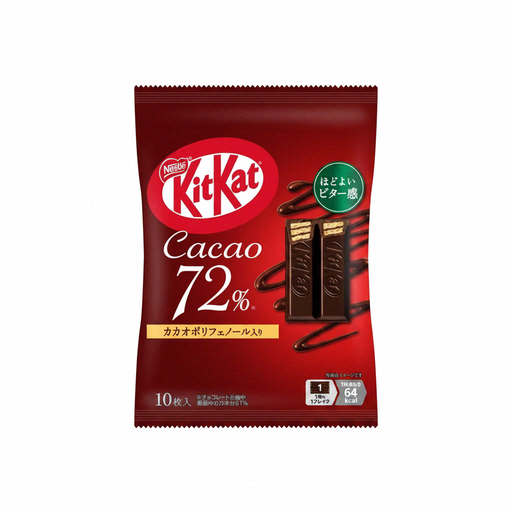 No image available
Consider the Cacao 72% variety if chocolate is the priority rather than a custard-cream filling; the product name alone does not establish the cocoa content of the whole biscuit. Check the pack’s cocoa description, serving information and allergens before buying.
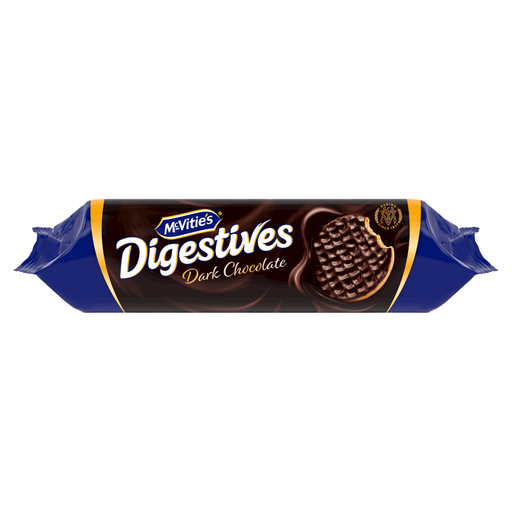 No image available
Choose this format if you would rather have a dark-chocolate-labelled digestive than a custard-cream sandwich. The pack is labelled 400g; check its cocoa declaration, serving information and allergens for the particular biscuit you plan to eat.
No. Check the exact coating description and cocoa-solids declaration. M&S states that the milk chocolate on its cited custard cream contains at least 28% cocoa solids, while the coating on its separate dark-chocolate rounds contains at least 49%; neither figure gives the cocoa content of the whole biscuit.
The cited ASDA and M&S custard creams are ready-to-eat packaged biscuits. Follow the purchased pack’s storage directions; the cited listings instruct shoppers to keep them in a cool, dry place and use an airtight container after opening.
Read the current pack’s ingredients and precautionary statements before eating, because the cited products differ. GOV.UK says specified allergens used as ingredients must be clearly identified in the ingredients list of prepacked food.
No: food provided in England’s state-funded schools is a different setting from a private snack. England’s 2014 school-food regulations classify products wholly or partly coated with chocolate as confectionery, and Department for Education guidance says school-provided food must meet the applicable standards. As stated by the Department in September 2026, proposed updated standards for September 2027 remain subject to Parliamentary approval.
No. The UK Department of Health and Social Care describes restrictions on specified television and paid online advertising, not a prohibition on an adult’s private biscuit purchase. A particular biscuit’s classification under those rules cannot be assumed from its name or category alone.