Lower-fat dessert planners
If the custard will be served with biscuits, compare fat and sugars per 100g rather than relying on the low-fat wording alone. Check the ingredients and storage instructions on the pack you buy.


Choose low-fat ready-to-serve custard when you plan to serve it with biscuits or your recipe specifically calls for prepared custard. If the biscuit dough calls for custard powder, buy powder rather than assuming a tin will work in its place. Compare fat and sugars on the current pack, and choose a size you can use within its post-opening storage period.
If the custard will be served with biscuits, compare fat and sugars per 100g rather than relying on the low-fat wording alone. Check the ingredients and storage instructions on the pack you buy.
If your dough calls for custard powder, ingredient format matters more than finding a ready-to-serve tin. Good Housekeeping’s custard-cream biscuit recipe uses custard powder in the dough.
If you need only a little prepared custard, match the pack to your recipe and serving plans. Opened custard needs refrigeration and must be used within the period stated on its label.
Start with the recipe’s ingredient format: custard powder for dough that specifies powder, or prepared custard for serving and recipes that expressly call for it. Then compare nutrition and the amount you are likely to use.
| Concern | What to check | Who this matters to |
|---|---|---|
| Fat and sugars | Compare both figures per 100g on the current pack, alongside ingredients relevant to you. Sainsbury’s lists 1.8g fat and 11.1g sugars per 100g for Ambrosia Low Fat Custard Can 400g. | If I am serving custard with biscuits, I want to weigh fat against sugars before choosing a pack; about 42% of consumers put this nutrition comparison first. |
| Recipe format | Read the ingredient list: Good Housekeeping’s custard-cream biscuit dough uses custard powder, not ready-to-serve custard. | When I am baking custard-flavoured biscuits, I need the ingredient named by the recipe so I can follow it as written; about 33% of consumers prioritise the correct format. |
| Pack size and storage | Estimate how much you will use, then check the specific pack’s refrigeration and post-opening instructions. | For a small bake, I would rather choose an amount I can finish within the labelled period; about 25% of consumers place pack size and storage first. |
Ready-to-serve custard and custard powder have different roles. Good Housekeeping’s custard-cream biscuit recipe uses powder in its dough; a prepared tin should not be assumed to work as a direct replacement.
Check the recipe before shopping. Choose powder where it specifies powder, and prepared custard for serving or where the recipe expressly names it.
A low-fat label does not tell you the product’s sugars figure. Sainsbury’s lists both 1.8g fat and 11.1g sugars per 100g for Ambrosia Low Fat Custard Can 400g.
Compare fat and sugars per 100g on the current labels of the products you are considering.
A larger carton may leave custard after a small baking session. Post-opening instructions vary: Marks & Spencer says to refrigerate its Silky Smooth Custard and eat it within two days.
Work out the quantity needed for baking and serving, then follow the storage period on the exact pack.
Ingredient and nutrition details matter when comparing products or avoiding particular ingredients, and the pack you receive is the one you will use.
Check its ingredients, allergens, nutrition panel and storage instructions before preparing or serving it.
Ambrosia has a Low Fat Custard Can 400g for ready-to-serve use and a larger Light Devon Custard 1kg carton for serving plans that need more.
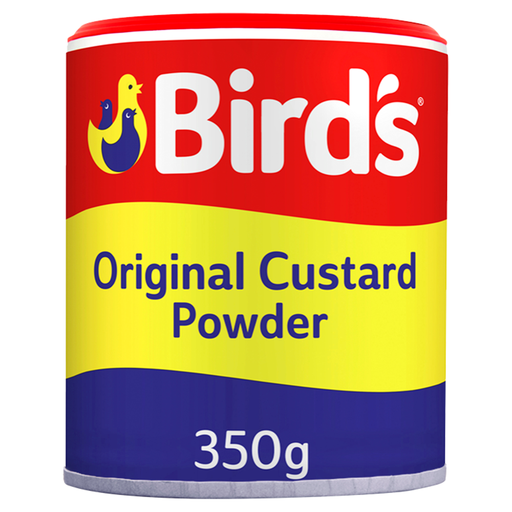
Bird’s Original Custard Powder is an ingredient route for recipes that specify powder rather than a ready-to-serve tin.
Sainsbury’s ambient custard listing includes Ambrosia Low Fat Custard Can 400g and Sainsbury’s Ready To Eat Lighter Custard 500g.
Tesco’s tinned-custard listing distinguishes Tesco Ready To Serve Custard from Ambrosia Low Fat Custard.
M&S Silky Smooth Custard is a 400g whole-milk prepared custard to consider when choosing a custard to serve with dessert.
These selections cover prepared custard for serving with biscuits or recipes that specify it, plus custard powder for biscuit recipes that call for powder.
 No image available
For serving with baked biscuits or using where a recipe specifies prepared custard, this is a 400g low-fat can that can be served hot or cold. Check the current pack’s nutrition figures before comparing it with other custards, and follow its storage instructions after opening.
 No image available
If you need a larger amount of prepared custard for serving or a recipe that specifies it, this light custard comes in a 1kg carton, not a tin. Plan how you will use the remainder and follow the pack’s refrigeration and post-opening instructions.
 No image available
For biscuit dough that calls for custard powder, this is the relevant 350g ingredient format. It is not ready-to-serve tinned custard, and the finished biscuit’s nutrition depends on the full recipe. Check the pack’s allergen information if needed.
Do not assume they are interchangeable. Good Housekeeping’s custard-cream biscuit recipe uses custard powder in the dough, whereas Ambrosia Low Fat Custard Can is prepared custard for hot or cold use. Follow the ingredient format specified by your recipe.
Compare both figures per 100g on the current packs. Sainsbury’s lists 1.8g fat and 11.1g sugars per 100g for Ambrosia Low Fat Custard Can 400g; check the pack you buy before using those figures to choose between products.
Follow the instructions on the exact pack and refrigerate it where directed. Opened-use periods differ between products: Marks & Spencer instructs buyers to refrigerate its Silky Smooth Custard and eat it within two days.
Do not treat low fat as meaning milk-free. Ambrosia Low Fat Custard Can is a dairy custard; check the ingredients and allergen information on the current pack of any product you are considering.