Cottage owners replacing a built-in oven
You need the replacement to suit the existing housing and electrical supply before comparing baking functions.


Start with the cottage’s oven space and electrical supply: either can rule out an appliance before its baking functions matter. A built-in single fan oven is a practical choice for a compatible single-oven kitchen; consider a double oven when guests regularly need separate cooking spaces, or a freestanding cooker when the hob is being replaced too. Whichever format you choose, check the tart recipe’s required function, shelf position and timing against the oven’s instructions.
You need the replacement to suit the existing housing and electrical supply before comparing baking functions.
You want controls guests can understand, a suitable baking function and a cleaning routine that works between bookings.
You may need separate cavities when a tart and other dishes require oven time together, provided the kitchen and electrical installation can accommodate them.
Choose the appliance format around the existing kitchen first, then weigh baking control, cleaning and the number of dishes guests cook at once.
Consider it when: replacing a single built-in oven in a compatible housing, with one main cooking cavity usually sufficient.
Trade-off: it offers no second cavity for dishes needing different temperatures at the same time.
Consider it when: group meals regularly call for a tart and another dish to cook separately.
Trade-off: its housing and electrical requirements may differ substantially from those of a single oven.
Consider it when: replacing both the oven and hob in a suitable cooker space.
Trade-off: it changes the appliance layout rather than fitting into a built-in oven housing.
| Concern | What to check | Who this matters to |
|---|---|---|
| Fit and electrical connection | Compare the exact model’s installation drawing with the housing; check its connection instructions and electrical load against the cottage’s supply. | If I’m replacing an oven, it must fit and connect safely before any baking feature is useful. Around 36% of consumers would put fit and connection first. |
| Custard-tart baking | Check the available oven functions and controls against the tart recipe’s specified setting, shelf position and timing. | I want to follow my tart recipe without guessing which setting guests should use. For around 29% of consumers, controllable baking would be the primary concern. |
| Cleaning between stays | Identify the exact cleaning system and read what the manual still requires you to remove or wipe. | When bookings turn over, I need a cleaning routine that I can repeat without treating the oven as maintenance-free. That would come first for around 21% of consumers. |
| Space for group meals | Decide whether dishes need separate cavities or temperatures, then check the larger format’s housing and supply requirements. | If a tart must cook while another dish needs a different temperature, a second cavity matters to me. Around 14% of consumers would prioritise that extra cooking space. |
Ovens described by the same nominal width can differ in depth and required installation space; a double oven also needs a different housing from a typical single oven.
Measure the opening and available depth, then compare them with the exact model’s installation drawing and ventilation instructions before ordering.
A mismatch may mean cabinet alterations or another installation visit.
Connection methods differ by model. Neff specifies electrician connection and no plug for the B1DCC0AK3B, while Bosch lists a GB plug for the different HHF113BR0B model.
Check the chosen oven’s connection instructions and load against the existing circuit, using a qualified installer where required.
Changes to the circuit or connection can add installation work.
Steam-assisted, catalytic and pyrolytic features have different instructions and do not remove every cleaning task.
Read the chosen model’s care instructions and decide who will carry out the remaining work between stays.
Bosch offers built-in single and double ovens; compare functions and connections by exact model.
The B1DCC0AK3B is a built-in single-oven example for shoppers considering multi-level cooking.
The HO 455H B UK illustrates a built-in single oven with named cooking and cleaning features.
AEG’s named single- and double-oven models provide different capacity and cleaning options.
These built-in single and double ovens are relevant to replacing a cottage oven. Decide which format fits the kitchen before comparing their stated capacity, cooking features and cleaning options.
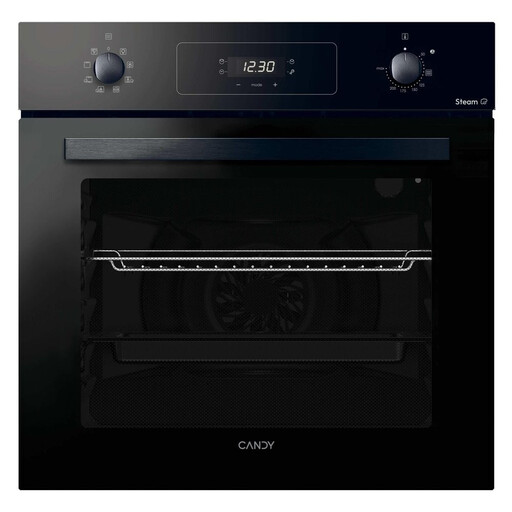 No image available
Consider this single-oven format if the cottage has a matching built-in space and you want to assess fan-assisted cooking and Aquactiva cleaning. Check the exact housing dimensions, connection instructions and recipe settings before ordering.
 No image available
Consider the double-oven format when a tart and another dish need separate cooking spaces during group stays. Confirm the tall housing, ventilation and hardwired installation requirements, including the electrical load, before buying.
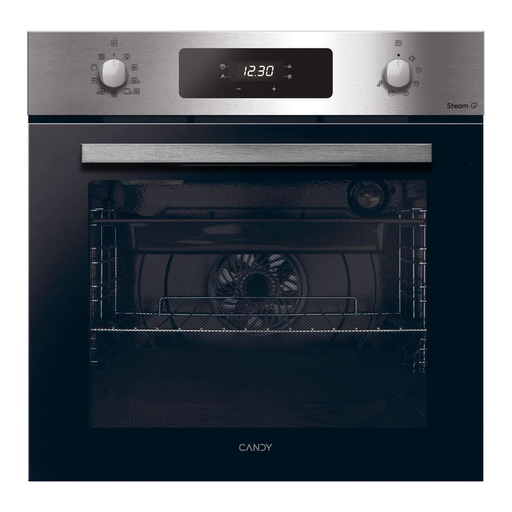 No image available
This single oven is relevant if between-stay cleaning is a priority alongside assessing its cooking functions. Follow the model’s pyrolytic-cleaning instructions, including accessory removal and ventilation, and confirm the installation space and electrical connection.
 No image available
Consider this single oven if you want to assess a stated 3D Hotair function for the cottage’s baking routine. Check the exact cut-out and ventilation details and have its stated hardwired connection assessed against the existing supply; do not assume specifications for the different HHF113BR0B model apply here.
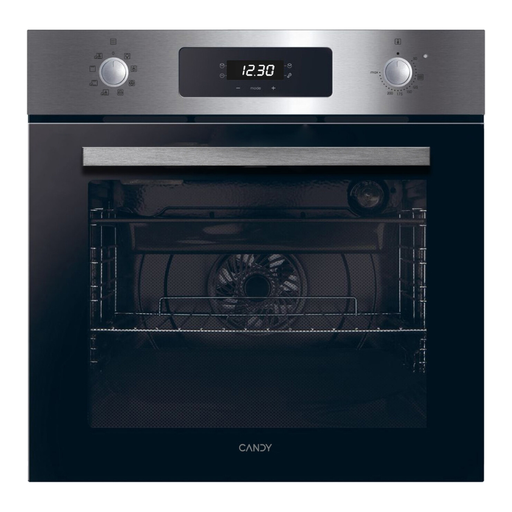 No image available
Consider its single-oven capacity if ordinary guest meals need more room within a compatible housing. If your tart recipe calls for fan cooking, confirm that function on the exact model; also check its electrical connection and follow the steam-cleaning instructions, including wiping after the cycle.
Choose a compatible built-in single oven when one cooking cavity usually meets guests’ needs. Consider a double oven if group stays regularly involve dishes needing separate spaces or temperatures, but check its housing and electrical requirements before ordering.
Not necessarily: connection requirements depend on the exact oven. Oven guidance distinguishes appliances below and above 3 kW; Neff specifies electrician connection and no plug for the B1DCC0AK3B, whereas Bosch lists a GB plug for the HHF113BR0B. Have the chosen model’s instructions, load and the cottage’s circuit checked before installation.
Do not assume it does. GOV.UK describes the private-rented-sector rule in terms of a tenant who pays rent and has the right to occupy the premises as their only or main residence; its separate self-catering holiday-home guidance addresses English holiday lets. Seek advice for the property’s location and letting arrangement rather than treating either document as the whole compliance answer.
Consider the replacement in the cottage’s fire-risk assessment. Devon and Somerset Fire and Rescue Service’s guidance for small paying guest accommodation says the responsible person must carry out a suitable and sufficient assessment and act on it; review the implications of a significant equipment change and arrange appropriate installation and maintenance.