Pantry quantity planners
If you keep custard for several puddings, the useful pack size depends on how much your household will serve and whether you can use any remainder within the opened-pack instructions.


Choose ready-to-serve tinned custard if you want a cupboard standby that needs no mixing or cooking; choose custard powder if you are willing to add milk and sugar and heat it. For either option, match the pack size to how much you will use, then check the exact product’s ingredients, allergens, date and storage instructions.
If you keep custard for several puddings, the useful pack size depends on how much your household will serve and whether you can use any remainder within the opened-pack instructions.
You want custard you can serve from the can, hot or cold, rather than powder that calls for milk, sugar and heating. Sainsbury’s describes Ambrosia Devon custard as ready to serve; Bird’s gives preparation instructions for its powder.
You may be comparing a Low Fat variant with a cream-containing recipe, or checking milk ingredients and how long each product keeps after opening. Read the label of the exact pack you choose.
For pantry stocking, settle the preparation question before choosing a pack size and checking its recipe and storage directions.
| Concern | What to check | Who this matters to |
|---|---|---|
| Usable pack size | Compare net weights and the date on the pack; consider how much you can use after opening. | For several puddings, I want enough custard without leaving more than I can use. About 40% of consumers put usable pack size first. |
| Preparation | Check whether it is ready to serve or requires milk, sugar and heating. | If dessert needs serving without extra ingredients, I want custard ready from the can. Roughly 30% of consumers prioritise no-preparation serving. |
| Recipe and storage | Read the ingredients and allergen declaration, nutrition per 100g and opened-pack directions. | When choosing a recipe, I need to check its milk declaration and what to do with leftovers. About 30% of consumers put recipe and label suitability first. |
Tesco Groceries lists a 400g ready-to-serve custard, while Sainsbury’s lists ready-to-eat own-label options in 500g and 1kg packs. A larger pack is useful only if its contents suit the desserts you plan to make and its opened-pack instructions.
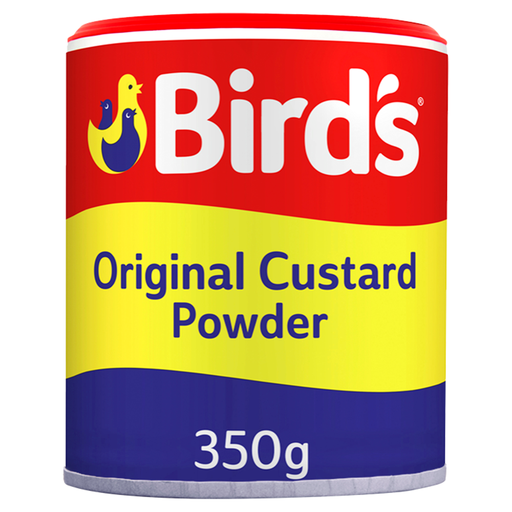
Bird’s Original Custard Powder is not a pour-and-serve custard. Its instructions call for milk, sugar and heating, which makes a difference if you need a dessert accompaniment without preparation.
Check whether the label says ready to serve or custard powder, and stock the preparation ingredients if you choose powder.
The Ambrosia Low Fat recipe described by Sainsbury’s contains milk ingredients and sugar. Its name does not answer whether the product meets another dietary requirement.
Read the ingredients, allergen declaration and nutrition panel on the exact pack rather than relying on its front label alone.
Marks & Spencer instructs customers to refrigerate its Silky Smooth Custard and eat it within two days of opening. The Ambrosia Devon and Low Fat product information gives three days and directs customers to remove the remaining custard from the can.
Follow the opened-pack directions for the variant you have, including its instructions for transferring and refrigerating leftovers.
Tesco Groceries and Sainsbury’s list 400g canned variants including Devon, Low Fat and Deluxe, giving shoppers several ready-to-serve recipes to compare.
Tesco Groceries lists its own 400g Ready To Serve Custard as a canned cupboard option.
Sainsbury’s lists its own ready-to-eat custard in 500g and 1kg formats, as well as a 400g Stamford Street Co. option.
M&S Silky Smooth Custard is a 400g canned recipe listing whole milk and cream among its ingredients.
Bird’s Original Custard Powder 350g is a make-up-at-home pantry option, not ready-to-serve liquid custard.
These options cover ready-to-serve Ambrosia custard for cupboard desserts and Bird’s powder for shoppers who plan to make custard with milk and sugar.
 No image available
Consider this 400g variant if you want ready-to-serve custard and are comparing the Low Fat recipe with other cans. Sainsbury’s product information lists milk ingredients and instructs customers to remove leftovers from the can, refrigerate them and consume them within three days.
 No image available
This 400g can suits a pantry where custard needs to be ready to serve hot or cold, as described by Sainsbury’s. The Joybuy product information says it contains milk and directs customers to remove leftovers from the can, refrigerate them and consume them within three days.
 No image available
Choose this 400g variant if strawberry flavour is what you want with a pantry dessert. Check the can’s allergen declaration and serving and opened-storage directions before relying on it for a particular occasion.
 No image available
This 350g powder suits a cupboard where you can also keep the milk and sugar needed to make custard. Bird’s instructions require heating, so it is not ready to serve; the product may contain milk, and made-up custard should be refrigerated and treated as fresh food.
No. Bird’s Original Custard Powder needs milk, sugar and heating according to the manufacturer’s instructions. Choose a ready-to-serve custard instead if you need to avoid that preparation.
Follow the directions on your exact pack. Marks & Spencer gives two days under refrigeration for its Silky Smooth Custard, while the Ambrosia Devon and Low Fat product information directs customers to remove leftovers from the can, refrigerate them and consume them within three days.
No. The documented Ambrosia Devon, Low Fat and Deluxe and M&S recipes contain milk ingredients, while Bird’s says its powder may contain milk. Check the allergen declaration on the exact product before serving it to someone with a milk allergy.
GOV.UK distinguishes a best-before date, which concerns quality, from a use-by date, which concerns safety. Read the date and storage instructions on the can you buy, and consider its condition before using it.