
24/7 Customer Support

Free returns

Same-day & Next-day Delivery

Quality Guaranteed

Unlock Your Welcome Offers: FREE Delivery | Up to 80% OFF | Free 30-day JoyPlus trial
Download the APP
As a Joybuy Product Recommendation Officer, my role is to help you navigate the crowded market of craft supplies. When it comes to adding professional-looking embellishments to your projects, cutting dies are a go-to tool. However, not all are created equal. Many crafters find themselves disappointed with purchases that fail to deliver, leading to wasted money and creative frustration. This guide will help you identify the key features to look for and avoid the common pitfalls.
The most frequent issues arise from a few overlooked areas. Firstly, many affordable metal cutting dies are made from overly thin or soft metal. These can warp after just a few passes through a machine, rendering them useless for creating consistent shapes. Secondly, poorly defined cutting edges are a major problem. Instead of a crisp, clean cut, they may only partially score the cardstock or leave a fuzzy, torn edge, ruining the delicate look you were aiming for. Finally, be wary of large, seemingly value-packed sets that contain numerous tiny, impractical designs that have little use in real-world card making or scrapbooking projects.
To ensure your scrapbooking supplies are an investment rather than a disappointment, focus on a few core parameters. Understanding these will help you select tools that perform reliably.
The durability of a cutting die is determined by its material. Look for dies made from 100% carbon steel. This material is significantly more robust than cheaper metal alloys, offering resistance to bending and warping under the pressure of a die-cutting machine. A well-constructed carbon steel die will maintain its shape and sharp edge over hundreds of uses, providing a far better long-term value. These are often used to create intricate paper craft templates that require precision.
The primary function of a die is to cut cleanly. A quality die has a chemically-etched, raised cutting edge that is sharp and well-defined. When examining a die, check that the cutting lines are prominent and consistent, especially on complex patterns. Dies that double as embossing stencils should have both sharp cutting edges and defined recessed areas to create texture. A poorly made die will struggle with thicker cardstock and intricate details, often requiring multiple passes or manual trimming to finish the job.
While most modern cutting dies are designed to be compatible with standard manual and electric die-cutting machines, it is always wise to confirm. The thickness of the die can affect the "sandwich" of cutting plates required for optimal pressure. Versatile sets that offer a range of complementary shapes, such as frames, sentiments and background patterns, provide more creative possibilities and are a more practical addition to your toolkit than single, isolated designs.
Based on these practical criteria, we have identified several products that align with the needs of different UK crafters.
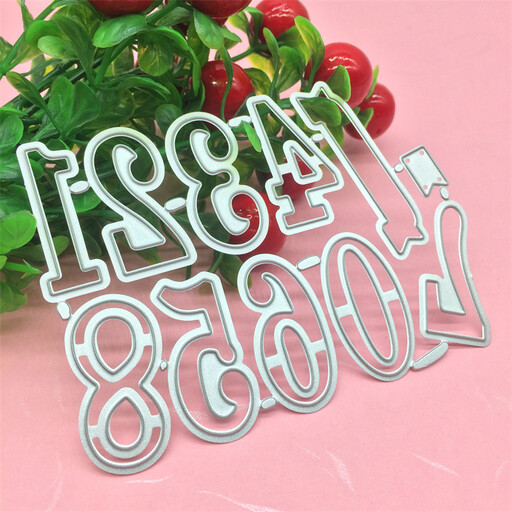
Why This Fits Their Persona: Ideal for crafters who want to personalise everything from birthday cards to scrapbook pages. This set provides the foundational elements for adding names, dates or custom greetings to any project.
This set is made from durable metal designed for repeated use, avoiding the warping common in flimsy dies. The classic font ensures clean, legible cuts every time, unlike novelty sets with impractical designs.
Includes a full set of 26 capital letters and 10 numbers, offering excellent versatility for a wide range of crafting applications.
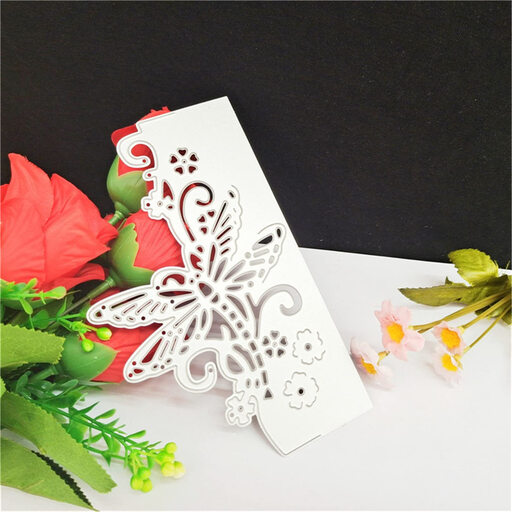
Why This Fits Their Persona: Perfect for those who enjoy creating handmade cards and decorations for specific holidays. This set provides all the iconic shapes needed for festive projects without having to buy each one individually.
The intricate snowflake and tree designs feature well-defined cutting edges, preventing the fuzzy, incomplete cuts that often plague detailed dies and ruin the final look of a project.
This single set offers a coordinated collection of festive shapes, allowing for the creation of cohesive, professional-looking Christmas cards, gift tags and scrapbook layouts.
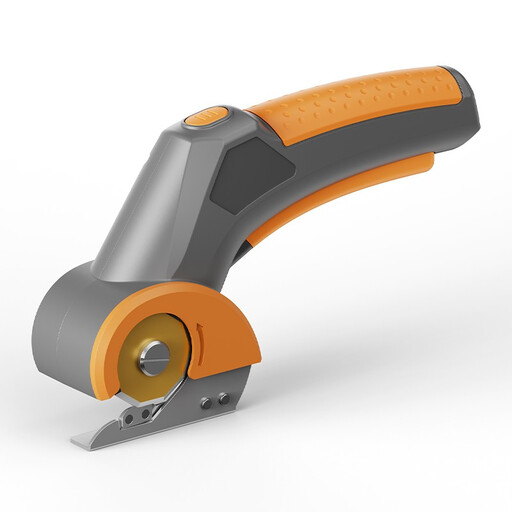
Why This Fits Their Persona: For crafters producing goods for sale, efficiency is key. This tool moves beyond die-cutting to handle bulk cutting of materials like card, felt and leather, reducing production time and physical strain. It's a practical alternative to manual `electric craft scissors`.
It bypasses the limitations of die-cutting (material thickness, cut size) and the hand fatigue of scissors. This powered tool provides a consistent, clean cut across various materials, improving workflow efficiency.
Its cordless, lightweight design offers complete freedom of movement. The rotary blade is suitable for straight lines and curves on multiple materials, making it more versatile than a fixed-shape die.
We have compiled a complete, real-time list of products that fully satisfy these strict selection criteria and UK safety regulations.
To achieve a clean cut with detailed dies, the "sandwich" of plates you use in your machine is crucial. Sometimes, adding a thin piece of wax paper between the die and your cardstock can help the paper release more easily. Additionally, ensure your cutting plates are not excessively warped, as this can cause uneven pressure and lead to tearing.
A metal cutting die is designed to cut a shape out of paper or other materials. It has a raised, sharp edge. An embossing stencil or folder is designed to press a pattern into the paper, creating a raised, textured effect without cutting through it. Some thin metal dies can be used for light embossing by using a silicone rubber mat in your machine's sandwich, which cushions the paper and prevents the die from cutting through.
While die-cutting machines provide the consistent, even pressure needed for the best results, some crafters have found ways to use dies with a rolling pin. However, this method is not recommended as it can provide uneven pressure, leading to incomplete cuts and potential damage to the die or your work surface. For reliable and crisp results, a manual or electric die-cutting machine is the appropriate tool.