
24/7 Customer Support

Free returns

Same-day & Next-day Delivery

Quality Guaranteed

Unlock Your Welcome Offers: FREE Delivery | Up to 80% OFF | Free 30-day JoyPlus trial
Download the APP
For anyone passionate about paper crafts, the right tools can transform a simple piece of card into a work of art. Whether you are designing heartfelt greeting cards, preserving memories in a scrapbook or creating personalised gifts, cutting dies are essential for adding intricate, professional-looking details. However, with so many designs and types available, choosing the right ones can feel overwhelming.
This guide is designed to help you understand what to look for in metal cutting dies and to showcase a few options that can elevate your projects. We will explore different types of die cutting templates and how they can be used to bring your creative visions to life.
Before adding to your collection of paper craft supplies, consider these practical points to ensure you select tools that are both versatile and durable.
The vast majority of dies on the market are wafer-thin metal cutting dies, typically made from carbon steel. This material is favoured for its ability to hold a sharp edge, ensuring clean, precise cuts through paper and cardstock time after time. When purchasing, check that the dies are compatible with your die-cutting machine. Most generic brand dies are designed to work with the standard manual die-cutting machines popular in the UK, but it is always wise to confirm the die's dimensions against your machine's cutting platform width.
Think about the types of projects you enjoy most. If you specialise in birthday and celebration cards, a set of alphabet dies for creating custom messages is a practical investment. For those who love creating elegant, nature-themed designs, flower die cuts offer endless possibilities for layering and embellishment. Similarly, frame cutting dies are a cornerstone of scrapbooking dies, perfect for highlighting photos or creating a central focus on a page. Some intricate dies can also double as embossing stencils when used with the correct embossing mat in your machine, adding texture without cutting.
Instead of buying random individual dies, consider how new additions will work with your existing DIY craft tools. Look for sets that offer complementary shapes or themes. A good starter collection might include a versatile alphabet set, a selection of basic shapes (circles, squares) and a few decorative elements like florals or frames. This approach allows you to mix and match, giving you far more creative options in the long run.
Here are a few recommendations from our catalogue that are well-suited for a range of common paper craft projects.
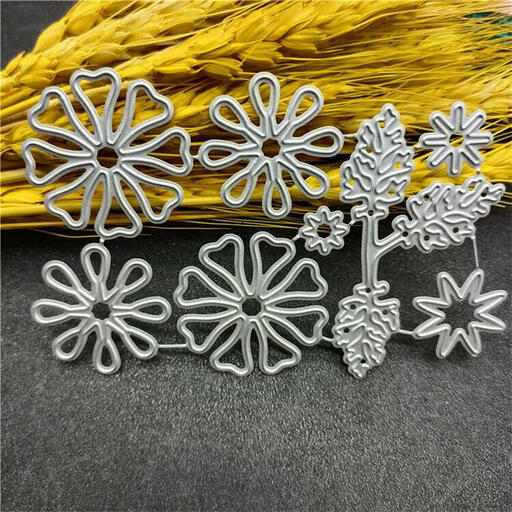
Why It Stands Out: This die features a beautifully intricate and symmetrical floral pattern. Its design is detailed enough to be a standalone centrepiece on a card front but also versatile enough to be used for creating background textures or layered embellishments. The symmetrical nature of the design lends itself to a variety of styles, from classic floral to more abstract patterns.
Pros:
Who is it for? This is an excellent choice for card makers and crafters who enjoy adding delicate, nature-inspired elements to their work. It is particularly useful for creating all-occasion cards, from spring birthdays to festive winter greetings.
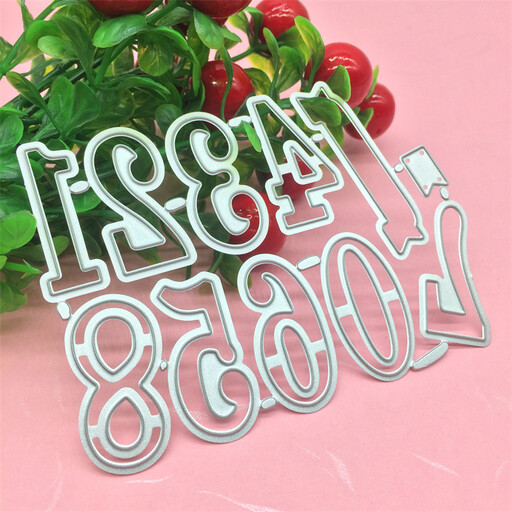
Why It Stands Out: A full set of alphabet and number dies is one of the most practical investments a paper crafter can make. This set provides a clean, classic font in a useful size, allowing you to personalise any project with names, dates, titles or custom sentiments. Made from durable metal, these dies are built to handle frequent use.
Pros:
Who is it for? Ideal for scrapbookers who need to add titles and journaling to their layouts. It is also indispensable for anyone creating personalised items like birthday cards, anniversary gifts or custom party decorations.
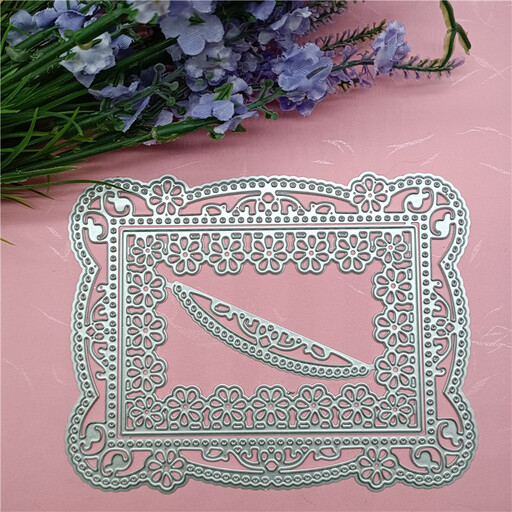
Why It Stands Out: This die is specifically designed to create elegant, decorative frames. It is a foundational tool for drawing attention to a central element, whether that is a photograph on a scrapbook page or a stamped sentiment on a card. The ornate design adds a touch of sophistication without overwhelming the focal point.
Pros:
Who is it for? Primarily aimed at scrapbookers and those creating handmade photo albums. It is also a valuable tool for card makers who want to create shaker cards or frame a central image or greeting with an elegant border.
The recommendations above are just a starting point for expanding your creative toolkit. If your main focus is on creating beautiful, personalised albums to store your memories, you may be looking for more specialised templates and accessories.
For a wider selection of tools to help structure your pages, explore our full range of photo album template supplies.
A cutting die is a metal template with a raised, sharp edge designed to cut a specific shape out of paper or other thin materials when passed through a die-cutting machine. An embossing stencil (often a plastic folder) has a recessed design that presses a raised pattern onto paper without cutting it. Some thin metal dies can also be used for a light embossing effect by using a rubber embossing mat with your machine's standard cutting plates.
For most intricate metal cutting dies, a smooth cardstock with a weight between 160gsm and 250gsm generally produces the cleanest cuts. However, many dies can also cut through other materials, including vellum, glitter card, thin craft foam and specialty papers. It is always a good idea to do a test cut on a scrap piece of your chosen material first.
The majority of wafer-thin dies for card making and scrapbooking are designed with universal compatibility in mind. This means they should work with most standard manual die-cutting and embossing machines available from major brands in the UK. The key is to ensure the die's physical width does not exceed the width of your machine's cutting platform. Always refer to your machine's instructions for the correct "sandwich" of plates to use.