
24/7 Customer Support

Free returns

Same-day & Next-day Delivery

Quality Guaranteed

Unlock Your Welcome Offers: FREE Delivery | Up to 80% OFF | Free 30-day JoyPlus trial
Download the APP
By Joybuy Product Recommendation Officer
Whether you are preparing vegetables, trimming carpet, cutting fabric or tackling a home renovation, the right cutting tool can improve control and reduce wasted time. However, product listings often focus on sharpness and speed while leaving out practical details such as blade replacement, material limits and safe storage.
This guide explains what to check before buying cutting tools and knives, then matches several options to different UK households, makers and tradespeople.
A blade designed for paper may struggle with carpet, leather or dense cardboard. Forcing it through unsuitable material can cause slipping, uneven cuts or premature wear. Kitchen cleavers, utility knives, rotary cutters and jigsaws each have different intended uses, so check the product’s compatible materials before ordering.
A low purchase price can become less attractive if replacement blades are difficult to source. Snap-off utility knives, carpet knives and rotary cutters are practical partly because their cutting edges can be renewed. Check whether spare blades are included, what type they use and whether the replacement system requires tools.
A locking mechanism, blade cover or secure handle is particularly important when tools are stored in a busy kitchen, workshop or sewing room. A retractable or lockable design does not remove the need for care, but it can help prevent accidental exposure during storage and transport.
Stainless steel knives are commonly selected for kitchen use because the material is resistant to corrosion when cleaned and dried properly. For utility and DIY cutting tools, SK5 steel blades are frequently used for their hardness and compatibility with replaceable blade systems. The grade alone does not guarantee performance: thickness, edge design and the cutting material also matter.
For craft cutting tools and sewing cutters, a rotary blade must remain clean and make consistent contact with the cutting mat or work surface. A spare-blade bundle can be useful for quilting, pattern cutting and repeated fabric work.
Blade diameter and width affect the type of work a tool can handle. A 45mm rotary cutter is suited to many fabric, paper and leather projects, while an 18mm snap-off blade is more suitable for packaging, tape, foam board and general household tasks.
For powered tools, check motor power, battery voltage, runtime and charging method. A cordless electric cutter may be convenient for occasional work away from a socket, while a corded jigsaw can be more suitable for longer DIY sessions involving wood, laminate or plastic.
Look for a handle that remains stable without requiring excessive force. Rubberised or thermoplastic rubber grips can make prolonged use more comfortable, while a belt clip or built-in blade storage may benefit tradespeople.
Always retract or cover exposed blades after use. When operating a jigsaw, secure the workpiece, use suitable eye protection and disconnect the power before changing the blade. For mandoline slicers and kitchen cleavers, keep fingers away from the cutting edge and follow the supplied guard instructions.
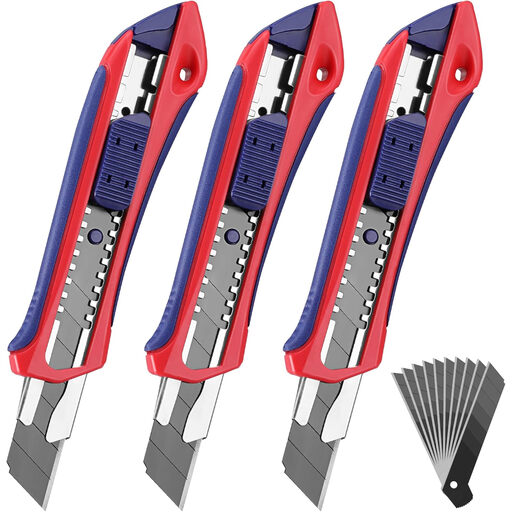
Why This Fits Their Persona: A practical starting point for students, home organisers, packers and DIY users who need several utility knives for everyday jobs around a UK home.
The set includes 10 replacement blades and uses a snap-off design, reducing reliance on a single worn cutting edge.
Three 160mm knives, 18mm SK5 carbon steel blades, ABS and TPR rubber handles plus blade-locking mechanisms.
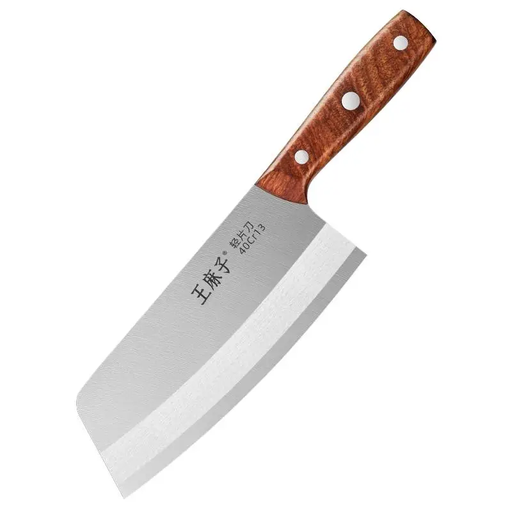
Why This Fits Their Persona: Suits home cooks who want one substantial knife for chopping vegetables, slicing ingredients and preparing meat.
Its stated stainless steel construction is more relevant to routine kitchen care than vague claims about professional performance.
190mm blade length and stainless steel construction for chopping, slicing and general food preparation.
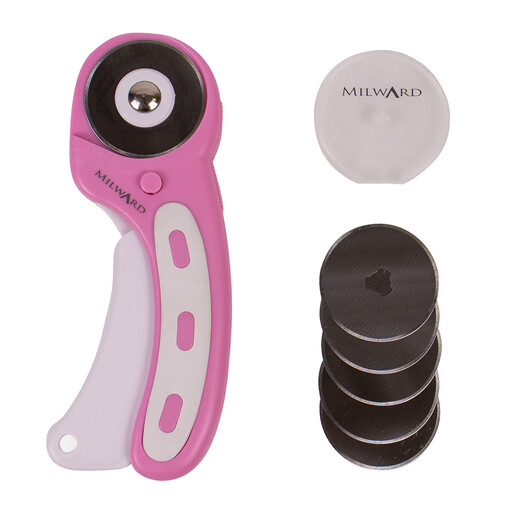
Why This Fits Their Persona: A useful match for quilters, dressmakers, scrapbookers and crafters who need repeatable cuts across fabric, paper or leather.
Five spare blades are included, and the safety button locks the blade to help prevent unintended activation.
45mm steel blade, soft-grip ABS and TPR handle and compatibility with fabric, paper, leather and quilting projects.
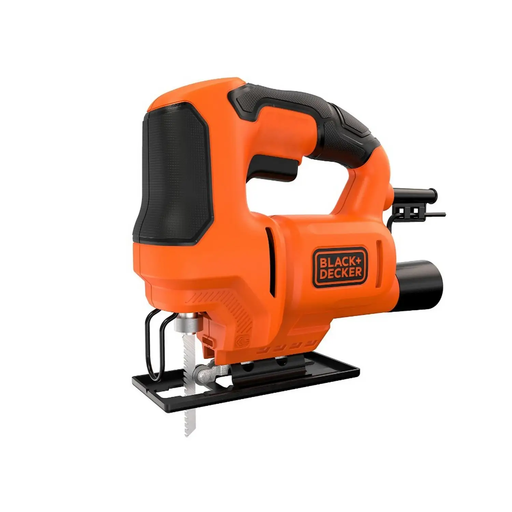
Why This Fits Their Persona: Appropriate for DIY users and workshop owners cutting wood, laminate and plastic where a powered tool is more suitable than a hand knife.
The visible blade and built-in dust blower support line visibility, while the bevel detents provide stated 0° and 45° positions.
400W motor, lock-on switch, low-vibration design and cutting capability for wood, laminate and plastics.
Replace a blade when it becomes dull, damaged or requires excessive pressure. A fresh edge can help reduce slipping, but it should still be used with controlled pressure and the correct cutting surface. Dispose of used blades in a suitable sharps container rather than leaving them loose in household waste.
Running cost depends mainly on charging frequency, battery capacity and electricity tariffs. Low-voltage cordless models such as 4V cutters generally use relatively small batteries, but runtime varies by material and pressure. Review the stated runtime and charging connection before purchase, and follow the supplied battery instructions.
A dedicated carpet knife or utility knife with replaceable SK5 blades is suitable for many trimming tasks. For larger fabric or flooring projects, an electric cutter may reduce repeated hand movement. In either case, secure the material, keep hands away from the blade path and change dull blades promptly.