
24/7 Customer Support

Free returns

Same-day & Next-day Delivery

Quality Guaranteed

Unlock Your Welcome Offers: FREE Delivery | Up to 80% OFF | Free 30-day JoyPlus trial
Download the APP
Choosing a new cycle helmet can feel overwhelming. The market is flooded with options, all promising superior safety and comfort. Yet, many riders in the UK end up with a helmet that is uncomfortable, ill-suited to their needs or, worse, doesn't offer the protection they paid for. As a Joybuy Product Recommendation Officer, my role is to help you cut through the clutter and focus on what truly matters.
Before you add any helmet to your basket, let's look at a few common purchasing pitfalls that can lead to buyer's remorse.
To ensure you get a helmet that is safe, comfortable and right for you, focus on these three core parameters.
Every helmet we consider must have the CE EN 1078 certification. This is the baseline. For those seeking an additional layer of protection, it is worth understanding what a MIPS helmet is. MIPS stands for Multi-directional Impact Protection System. It is a low-friction layer inside the helmet designed to allow a slight sliding movement (10-15mm) in any direction during certain angled impacts. The idea is to help reduce the rotational forces that can be transferred to the head. This technology is becoming increasingly common in both mountain bike helmet and road bike helmet designs.
A helmet only works if it fits correctly. Before you shop, take a flexible tape measure and wrap it around the widest part of your head—about an inch above your eyebrows. This measurement in centimetres is your starting point.
Look for these features to ensure a secure fit:
The type of helmet you need depends on how you ride.
Based on these practical criteria, here are a few options from our catalogue matched to specific UK rider profiles.
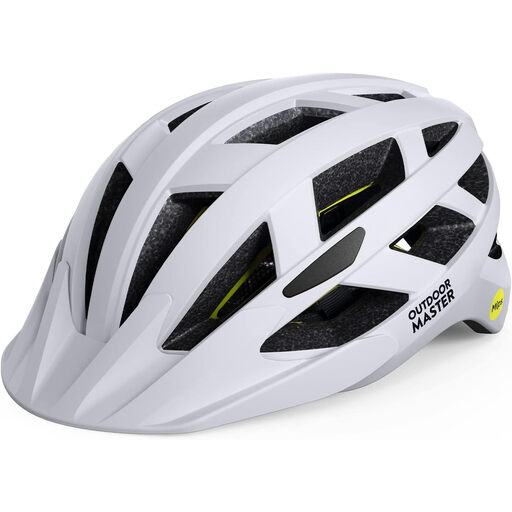
Why This Fits Their Persona: This is for the rider who wants peace of mind on weekend trails, family bike rides or their daily commute. It balances advanced safety features with all-day comfort without the professional price tag.
It moves beyond basic certification by incorporating the MIPS system, addressing a safety concern many buyers overlook. The dual-liner and dial system also provides a genuinely customisable fit, avoiding the "one-size-fits-all" problem.
Features the MIPS safety system for added protection against rotational forces. It also includes a removable visor and 25 vents for versatile comfort.
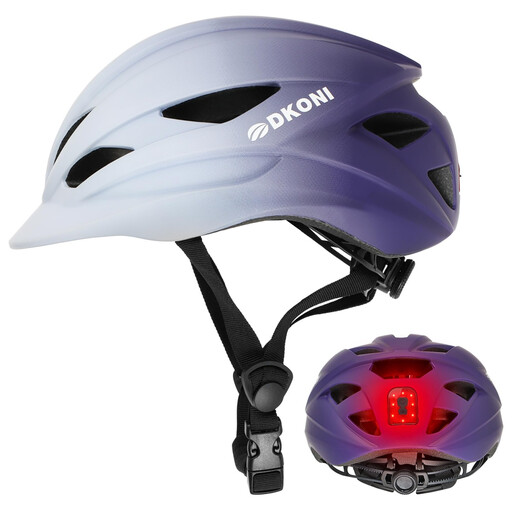
Why This Fits Their Persona: Designed for the practicalities of UK city riding. This is for the person cycling to the station or office who values visibility in traffic and comfort during their journey.
Instead of paying for unnecessary aerodynamic styling, this helmet invests in a genuinely useful feature for commuters: an integrated, USB-rechargeable rear light. It focuses on practical safety over marketing hype.
The key feature is the removable LED rear light for enhanced visibility. Its lightweight in-mould construction and 15 vents also ensure a comfortable ride.
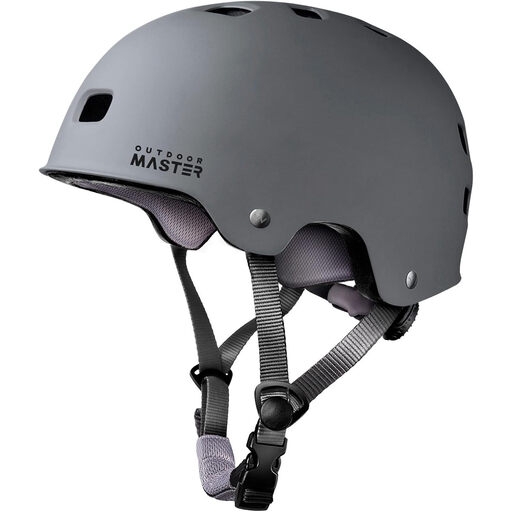
Why This Fits Their Persona: A practical and durable choice for kids, teenagers or adults who enjoy cycling, skateboarding and scootering. It's a robust, no-fuss helmet built to handle the varied activities of an active family.
Its tough ABS shell is designed for the type of multi-impact environment common to skate parks, making it more durable for this use than some lightweight cycling-only helmets. It includes two liner sets to ensure a proper fit as well.
Certified for multiple sports, including cycling and skating. The durable construction and inclusion of two washable liners make it a long-lasting and economical choice.
We have compiled a complete, real-time list of products that fully satisfy these strict selection criteria and UK safety regulations.
The standard recommendation is to replace your helmet immediately after any significant impact, even if there is no visible damage, as the internal structure could be compromised. Additionally, most manufacturers suggest replacing your helmet every 3-5 years, as the materials can degrade over time due to exposure to UV light and general wear.
You can, provided it is certified to the CE EN 1078 standard required for cycle helmets in the UK. Many multi-sport helmets, often labelled as a skateboard helmet, carry this certification, making them a versatile option. Their typically tougher ABS shell can be an advantage for urban use. Always check the product specifications for the correct certification.
A well-fitted helmet should be snug, level and stable. Use this simple check: