
24/7 Customer Support

Free returns

Same-day & Next-day Delivery

Quality Guaranteed

Unlock Your Welcome Offers: FREE Delivery | Up to 80% OFF | Free 30-day JoyPlus trial
Download the APP
The right cycling accessories can make commuting, weekend rides and off-road adventures more comfortable. The wrong ones can become expensive clutter: a frame bag that rubs against the bike, sunglasses that fog in changing weather or a pump that cannot connect to your valve.
Before buying bike accessories, look beyond product titles and impressive-sounding numbers. These are three common traps that can lead to wasted money.
A portable pump may advertise a high maximum pressure, but that does not automatically mean it is suitable for every bicycle. Check whether it supports Presta and Schrader valves, whether the power source suits your route and whether the stated pressure is practical for your tyre type.
Likewise, a bike phone holder may fit the phone but not the handlebar, stem or protective case. Compatibility should be confirmed before purchase.
Water-resistant and waterproof are not interchangeable terms. A bicycle frame bag may cope with light rain but still need additional protection for electronics, tools or clothing during prolonged downpours. Look for the stated material, fastening system and whether the zip or seams are protected.
A bag should also fit the frame without interfering with cables, knees or bottle cages.
A bike helmet, cycling sunglasses or cycling gloves must match the rider, not just the product category. An adjustable helmet can still be unsuitable if the shell shape does not sit securely. Sunglasses need a stable nose bridge and sufficient peripheral coverage, while gloves should be selected by hand measurements rather than colour or appearance.
For helmets, check the product’s conformity information, instructions and intended use. Do not assume that a multi-sport design automatically meets every standard required for every activity.
A helmet should sit level, remain stable when the rider moves and allow the chin strap to be adjusted without discomfort. Useful features include:
For children’s BMX gear or scooter use, measure the head carefully and follow the manufacturer’s fitting instructions. Replace a helmet after a significant impact, even if visible damage is not obvious.
Cycling sunglasses are often used in mixed UK conditions, from bright roads to shaded lanes. Check whether the lenses are:
Frame width, temple length and adjustable nose pads are more useful than a generic “one size fits most” description. Ventilation can also help reduce fogging during slower climbs or damp weather.
A portable bike pump should match your riding distance and tyre pressure requirements. A compact manual pump is simple and does not require charging, while an electric bike pump or tyre inflator can provide a digital pressure reading and automatic shut-off.
Check:
A wired 12V inflator is more suitable for use near a vehicle than for carrying on a long ride, while a rechargeable pump is more convenient for roadside top-ups.
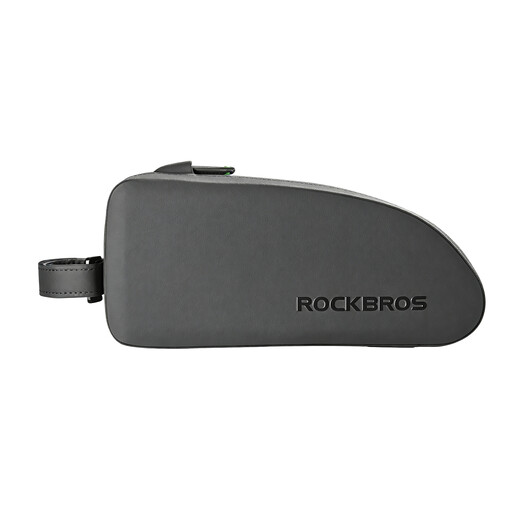
Why This Fits Their Persona: A practical starting point for commuters and leisure riders who need accessible storage for small essentials without fitting a larger pannier system.
Its listed 8.5 x 5.5 x 21.5 cm dimensions make it easier to compare available frame space before ordering, while the water-resistant description avoids assuming full waterproofing.
Compact top-tube format; listed for road bikes and mountain bikes.
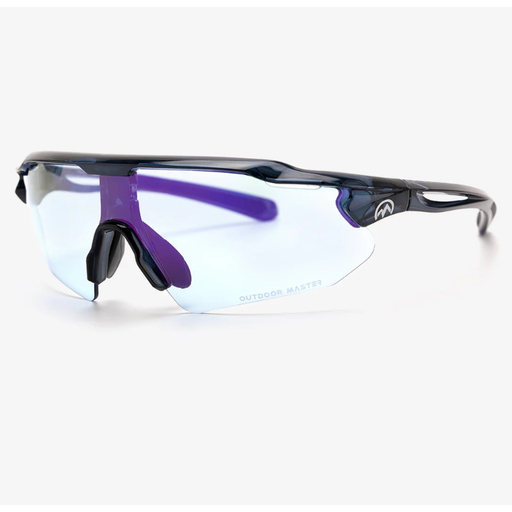
Why This Fits Their Persona: Suits road cyclists and multi-sport users who move between open roads, tree cover and changing daylight.
The listing specifies photochromic and polarised polycarbonate lenses, adjustable nose pads and a 26–29g weight range, rather than relying only on vague comfort wording.
TR90 frame; supplied with a storage box, cleaning cloth, strap and prescription inner frame.
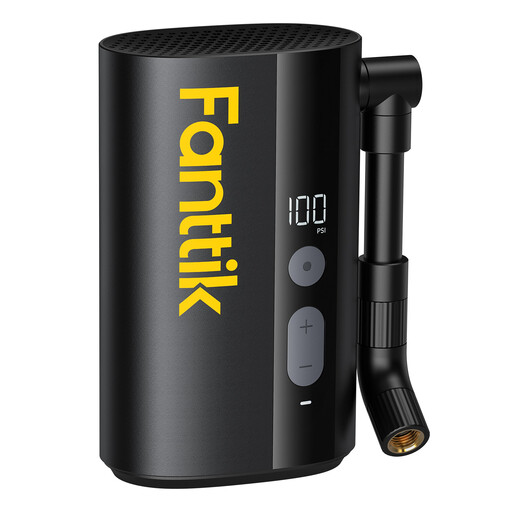
Why This Fits Their Persona: Designed for riders who regularly tackle road, MTB or electric bike journeys and want a rechargeable pump for roadside adjustments.
The listing identifies a 150 PSI maximum, 5,000 mAh battery, Presta and Schrader compatibility, digital control and automatic shut-off. Actual inflation time varies by tyre and starting pressure.
All-in-one hose and valve design; stated capacity of up to eight tyres per charge under specified conditions.
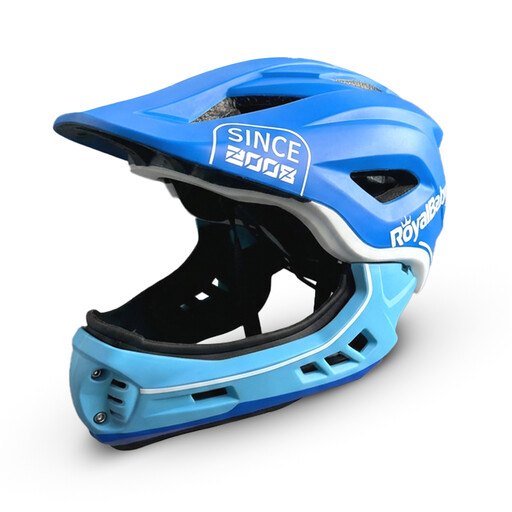
Why This Fits Their Persona: A flexible option for children aged 5–13 who alternate between cycling, scootering, balance biking or BMX-style activities.
The stated adjustable range is 20–23 inches, with a detachable chin bar and secure buckle. Parents should still measure the child and check suitability for the planned activity.
Convertible full-face or half-helmet format; removable washable liner and built-in visibility light.
We have compiled a complete, real-time list of products that fully satisfy these strict selection criteria and UK safety regulations.
For most riders, start with a correctly fitting helmet, suitable lights and a reliable way to repair or inflate a tyre. Add cycling gloves, sunglasses and a bicycle frame bag according to your route and comfort needs. Road cycling accessories may prioritise low weight and compact storage, while mountain bike accessories often need stronger attachment and greater weather resistance.
Lifespan depends on use, storage and maintenance. Replace helmets after a significant impact or when the shell, straps or adjustment system is damaged. Sunglasses should be replaced when lenses are deeply scratched. Bags, gloves and pumps can last longer if kept dry and checked for damaged seams, worn straps, battery deterioration or blocked valves.
An electric pump has charging and battery-maintenance requirements, but it can save time and effort during repeated inflation. For occasional short rides, a manual pump may be sufficient. For frequent commuters, touring cyclists or riders managing several bicycles, a rechargeable tyre inflator with a digital gauge may offer more practical convenience.