
24/7 Customer Support

Free returns

Same-day & Next-day Delivery

Quality Guaranteed

Unlock Your Welcome Offers: FREE Delivery | Up to 80% OFF | Free 30-day JoyPlus trial
Download the APP
Whether you are a daily commuter navigating city streets, a weekend road warrior or an off-road enthusiast exploring UK trails, the right cycling accessories can transform your ride from a chore into a pleasure. However, the market is flooded with options, and it is easy to fall for marketing hype that leads to poor purchases. Many riders find their new gear is uncomfortable, fails in the famously unpredictable British weather or simply does not deliver on its promises.
As a Joybuy Product Recommendation Officer, my role is to help you see past the flashy adverts and focus on what truly matters. This guide will highlight common purchasing pitfalls and break down the essential features to look for, ensuring your money is well spent on gear that enhances your safety, comfort and convenience.
To avoid these traps, focus on a few key technical specifications. Understanding these will empower you to make an informed decision, regardless of the brand.
Your helmet is the single most important piece of safety equipment. When choosing a road bike helmet or MTB helmet, look for these features:
The right bike storage bag depends entirely on your needs.
Gloves are your primary point of contact with the bike. They should offer more than just a bit of padding.
Based on these practical criteria, here are a few recommendations matched to different types of UK cyclists.
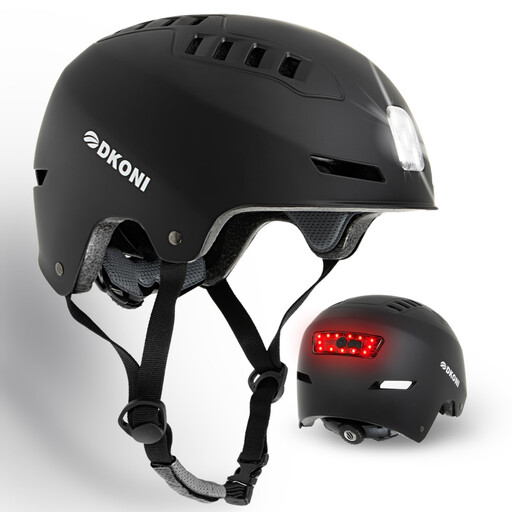
Why This Fits Their Persona: This helmet is built for the practicalities of UK commuting. The integrated, USB-rechargeable front and rear lights provide crucial visibility on busy roads during early mornings or late evenings, removing the need for separate lights.
It prioritises function over pure aesthetics. Instead of just a sleek shell, it integrates a full lighting system, a feature often overlooked in more fashion-focused helmets.
Features both front (5 white LEDs) and rear (13 red LEDs) lights for 360-degree visibility. The 20 vents provide good airflow for comfort.
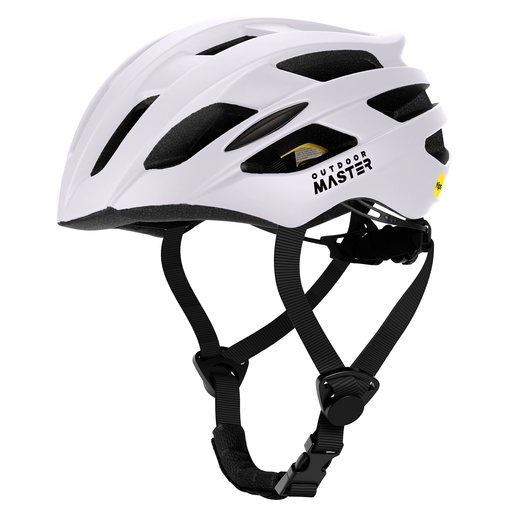
Why This Fits Their Persona: For road cyclists who prioritise performance and protection, this helmet includes the MIPS safety feature. Its lightweight, aerodynamic design with 21 vents is suited for long, demanding rides where comfort and safety are paramount.
It directly counters the "one-size-fits-all" safety myth by incorporating a specific, verifiable technology (MIPS) designed to manage rotational forces, a key concern in cycling accidents.
The primary advantage is the MIPS liner. It also features a dial-fit adjustment system for a secure, customised fit and an ultra-light construction.
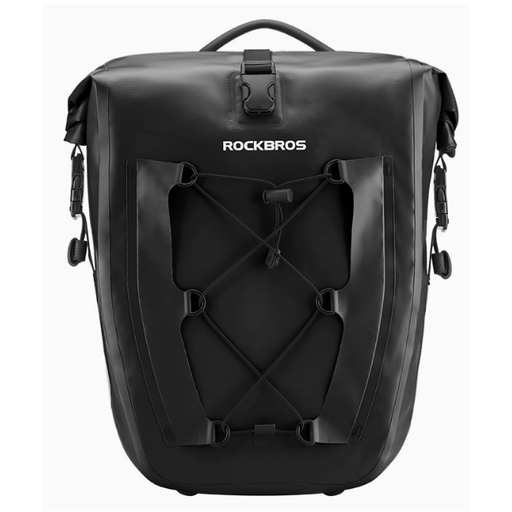
Why This Fits Their Persona: For anyone embarking on multi-day tours or relying on their bike for large shopping trips, this 30L pannier offers substantial capacity. Its fully waterproof construction is essential for protecting gear in unpredictable UK weather.
This is a genuine waterproof bike bag, not merely "water-resistant." It directly solves the critical problem of gear getting soaked in a real downpour, a common failure point for lesser bags.
A generous 30-litre capacity and robust, waterproof material with a secure rack mounting system make it a reliable choice for carrying heavy or bulky loads.
We have compiled a complete, real-time list of products that fully satisfy these strict selection criteria and UK safety regulations.
The generally accepted advice is to replace your helmet every 3 to 5 years, as the protective foam materials can degrade over time due to exposure to sweat and UV light. Crucially, you must replace it immediately after any significant impact or crash, even if there is no visible damage. The internal structure could be compromised, reducing its ability to protect you in a future incident.
MIPS stands for Multi-directional Impact Protection System. It is a thin, low-friction liner inside the helmet that allows for a slight sliding motion during an angled impact. This is intended to help reduce the rotational forces that can be transferred to the brain. Whether it is worth the cost is a personal decision, but for riders who frequently cycle in traffic, at high speeds or on challenging terrain, many consider the potential for added protection a worthwhile investment.
Your choice should be guided by your typical journey. For short daily rides, a compact bicycle top tube bag or a small saddle bag is often sufficient for a phone, wallet and a multi-tool. If you commute with a laptop or need to carry a change of clothes, you will need a larger bike pannier or backpack with a capacity of 20 litres or more. Always check the bag's dimensions and mounting system to ensure it is compatible with your specific bike frame and will not interfere with your pedalling or balance.