
24/7 Customer Support

Free returns

Same-day & Next-day Delivery

Quality Guaranteed

Unlock Your Welcome Offers: FREE Delivery | Up to 80% OFF | Free 30-day JoyPlus trial
Download the APP
Whether you're navigating city streets on your daily commute, tackling country lanes on a weekend ride or hitting the trails, the right cycling accessories can transform your experience. However, the market is flooded with gear, and it's easy to fall for marketing hype that doesn't hold up to the realities of UK weather and roads. Many riders end up with equipment that fails when they need it most.
As a Joybuy Product Recommendation Officer, my role is to help you sidestep these common purchasing mistakes. This guide focuses on the practical features that matter, ensuring you get reliable gear that enhances your safety, convenience and enjoyment on every ride.
Before spending your money, be aware of these frequent traps that catch out even experienced cyclists:
To make a smart purchase, focus on these key specifications. They are the difference between gear that lasts and gear that disappoints.
A helmet is the most critical piece of safety equipment. While EN 1078 certification is the minimum you should look for, consider these additional features for enhanced protection and comfort:
Choosing the right bag depends entirely on your needs. Pay close attention to these details:
Based on these practical criteria, here are some recommendations matched to different types of UK cyclists.
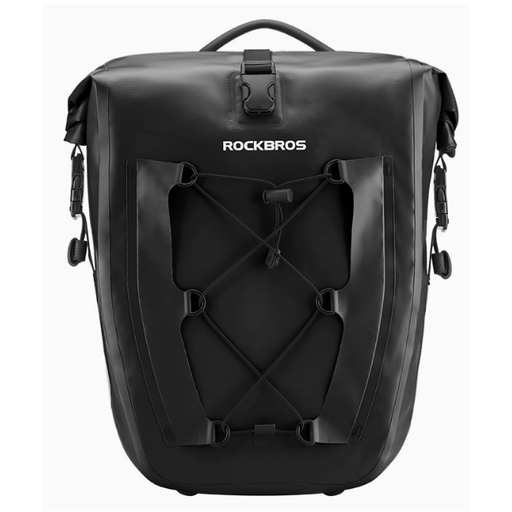
Why This Fits Their Persona: This pannier is built for the reality of UK commuting. Its large capacity is perfect for carrying a laptop, change of clothes and lunch, while ensuring everything stays completely dry during unpredictable downpours.
It is fully waterproof with high-frequency welded seams, not just "water-resistant." This construction prevents leaks and protects your valuable electronics and documents from water damage.
A generous 30-litre capacity and a secure, quick-release mounting system make it a practical choice for daily use on commuter, road or e-bikes.
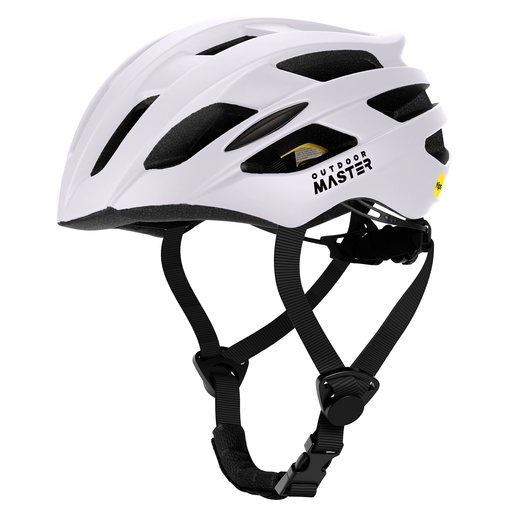
Why This Fits Their Persona: For cyclists who ride on open roads where speeds can be higher, advanced protection is a priority. This helmet is lightweight, aerodynamic and focuses on a higher tier of safety technology.
It moves beyond basic impact protection by including the MIPS system, which is specifically designed to address the harmful rotational forces from angled impacts—a common risk in road cycling falls.
Combines MIPS technology with an ultra-light shell and 21 air vents, providing a high level of protection without sacrificing comfort or ventilation on long, demanding rides.
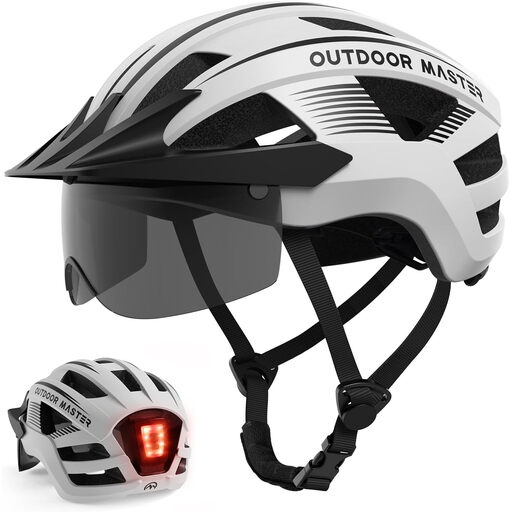
Why This Fits Their Persona: This helmet is for the cyclist who does it all—from city commuting to weekend trail riding. It provides adaptable features that suit varied environments, saving the need for multiple specialised helmets.
Instead of forcing a compromise, it offers modularity. The detachable magnetic goggles and sun visor can be added or removed in seconds and the integrated rear light provides crucial visibility for urban riding.
Features a Type-C rechargeable rear LED light for safety and convenience. It is also CPSC and ASTM certified, providing reliable protection for both mountain and road use.
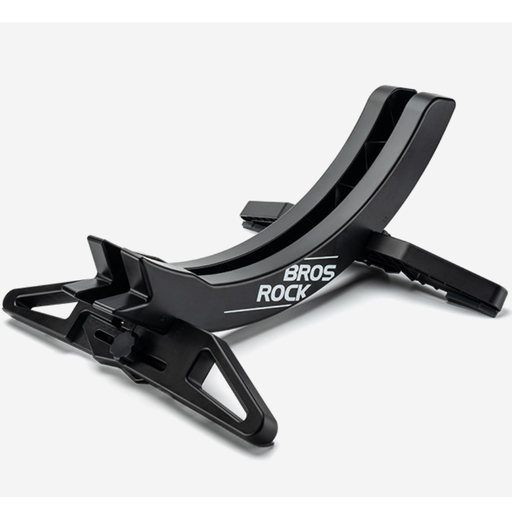
Why This Fits Their Persona: An excellent solution for cyclists living in flats or homes with limited storage. It provides a secure, stable home for your bike without the need for drilling holes in walls.
Its modular, interlocking ABS construction offers far greater stability than flimsy, single-piece metal racks. Soft pads on the base prevent it from sliding or scratching wooden floors.
Features tool-free assembly and an adjustable width (30-50mm), making it universally compatible with most tyre sizes, including road, mountain and e-bikes.
We have compiled a complete, real-time list of products that fully satisfy these strict selection criteria and UK safety regulations.
Most manufacturers recommend replacing your helmet every 3-5 years, as the protective materials can degrade over time due to exposure to UV light and general wear. More importantly, you must replace your helmet immediately after any significant impact or crash, even if there is no visible damage, as its structural integrity may be compromised.
MIPS stands for Multi-directional Impact Protection System. It is a low-friction layer inside the helmet designed to allow a small amount of movement (10-15mm) in all directions during an angled impact. This can help reduce rotational forces transferred to the brain. While any EN 1078 certified helmet provides essential protection, a MIPS cycling helmet adds a further layer of safety technology that is particularly relevant for scenarios where falls can occur at various angles and speeds.
Consider your primary use. For a daily commute carrying a laptop, lunch and a few essentials, a 15-20 litre bag is often sufficient. For a weekly grocery shop, carrying gym gear or light touring, a larger 25-30 litre waterproof bike pannier will provide much more flexibility. Always check that the bag's mounting system is compatible with your specific bicycle's rear rack.