What should you check?
Decide whether the chocolate is a gift, an occasional snack or part of a ride plan before comparing pack sizes and nutrition labels.
| Priority | What to check | Your needs |
|---|
| Carbohydrate per portion |
Read the amount for the portion you would eat, not just the whole box or per 100g. World Athletics lists 30–60g of carbohydrate per hour for endurance events lasting 1–2.5 hours and up to 90g per hour for events beyond 2.5 hours, with the longer-event guidance specifying multiple-transportable carbohydrate sources. |
For a longer ride, I want to know how a bar fits the carbohydrate intake I have planned. If it is a gift, I do not need to treat the box as a measured ride portion. |
| Portion and fat |
Check the stated serving size and fat per serving. Compare like-for-like portions, then try any food you plan to carry on an ordinary ride before depending on it for an event. |
A single wrapped portion is easier for me to account for than an open sharing pack. I also want to know whether I am comfortable eating that particular bar while cycling. |
| Drinks |
Plan what to carry to drink separately from solid food. Consider the ride’s duration and conditions when deciding what your drinking plan needs to cover. |
Even if I pack a chocolate bar, I still need a drink for the ride. |
| Ingredients and allergens |
Read the ingredients, emphasised allergens and any precautionary allergen statement on the exact pack. The Food Standards Agency explains that precautionary wording signals possible unintentional allergen presence. |
Before buying for myself or sharing with someone else, I need to check the particular flavour and pack against their dietary requirements. |
Chocolate brands and formats
These brand examples describe particular UK products, not every variant in each range or the products listed on Joybuy below.
Cadbury
Cadbury presents Dairy Milk as milk chocolate and lists a 100g Dairy Milk Buttons bag.
- A bag format can be considered for gifting or sharing.
- For ride portioning, check the exact pack’s serving size, carbohydrate, fat and allergens.
Galaxy
Galaxy lists a 42g Milk Chocolate Bar and a 360g Gift Milk Chocolate Bar.
- The gift bar is labelled as approximately 14 portions; the single bar has a stated 42g serving.
- Galaxy lists 23g carbohydrate and 14g fat for the checked 42g single bar. Do not apply those per-bar figures to an unstated portion of the gift bar.
Mars
Mars lists a 40g Caramel & Milk Chocolate Bar.
- Its label states 28g carbohydrate and 6.4g fat per 40g bar, allowing a portion-based comparison.
- The ingredient list includes barley malt extract and a precautionary statement for peanuts and other nuts; check the purchased pack for all allergens.
Snickers
Snickers lists a 40g chocolate bar containing peanuts, caramel and nougat.
- The checked bar’s label states 23g carbohydrate per 40g portion.
- It lists 9.9g fat per bar and contains peanuts and milk ingredients; its label also warns that it may contain other nuts.
Twix
Twix lists a UK Twin Finger multipack with 20g portions.
- The checked label states 13g carbohydrate and 4.7g fat per 20g portion.
- Check the exact biscuit-and-chocolate product’s ingredients and allergens before buying or sharing it.
KitKat
KitKat lists a 41.5g four-finger milk-chocolate wafer bar.
- The checked bar’s label states 26.1g carbohydrate per 41.5g serving.
- It also lists 10.2g fat and includes wheat and milk ingredients; check the exact pack before choosing it for a ride or a recipient.
Chocolate options on Joybuy
These multipacks fit the gift, sharing or occasional-snack side of the cycling question. If you intend to eat one during a ride, check the portion’s nutrition and pack label, and plan drinks separately.
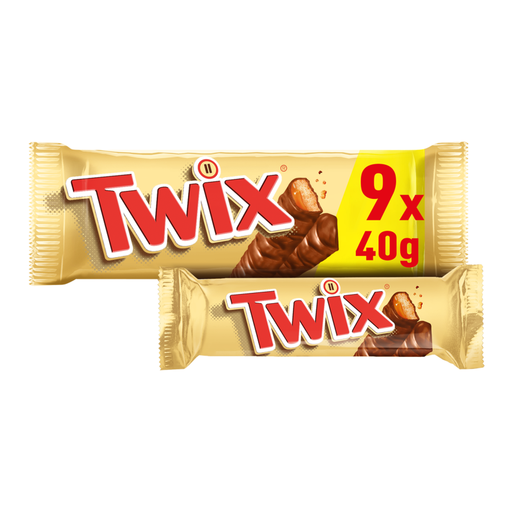 Image unavailable
Twix Twin Snack Bars, 9 × 40g
A twin-pack format for sharing or carrying an occasional portion. Check the purchased pack’s nutrition per portion and allergen information if you plan to take it on a ride; arrange a drink separately.
View on Joybuy
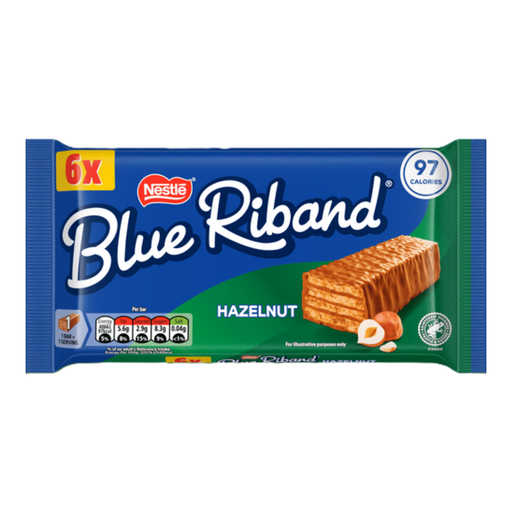 Image unavailable
Blue Riband Hazelnut, 6 × 17.5g
The stated 17.5g bar size gives you a portion to use when reading the nutrition label. Check the exact pack’s ingredients and allergen statements before sharing, particularly where nuts are a concern; it is not a substitute for a ride drinking plan.
View on Joybuy
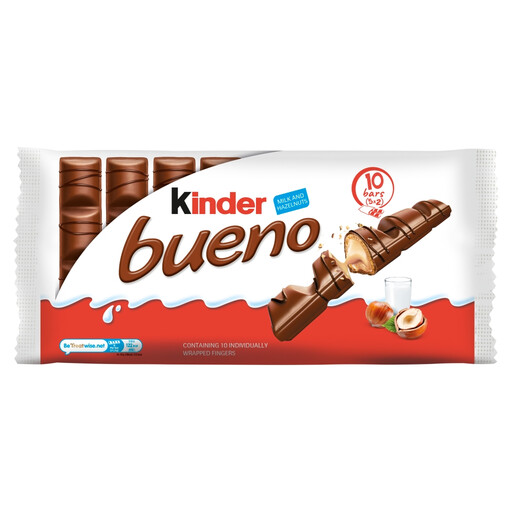 Image unavailable
Kinder Bueno Classic 215g multipack
Consider this multipack for gifting or sharing. Confirm the number of bars on the pack before ordering, and check serving nutrition and allergens if a recipient might carry a portion on a ride.
View on Joybuy
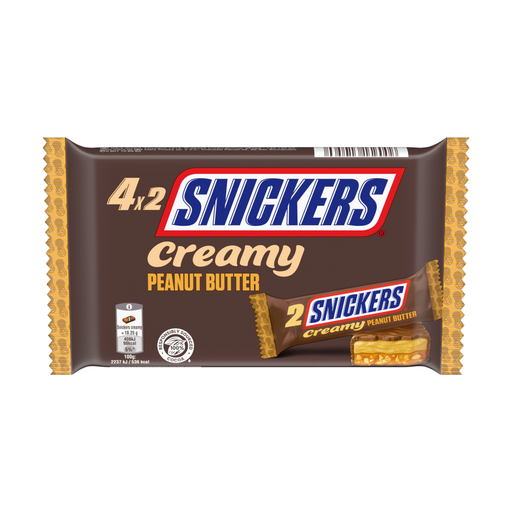 Image unavailable
Snickers Creamy Peanut Butter, 4-pack
A four-bar chocolate multipack to consider for an occasional snack rather than a complete ride plan. Check the weight and carbohydrate per bar before counting one towards a planned intake, and read the exact pack’s allergen statements before buying or sharing.
View on Joybuy
Questions about chocolate and cycling
Can a box of chocolates replace gels or a sports drink on a long ride?
A box on its own does not set out measured portions or a drinking plan. World Athletics lists 30–60g of carbohydrate per hour for endurance events lasting 1–2.5 hours and up to 90g per hour beyond 2.5 hours, with conditions on the carbohydrate sources used for longer events. If you choose to eat chocolate, count the portion you will actually eat within a food-and-drink plan you have tried during training.
Do I need a chocolate bar for a shorter ride?
Not necessarily. Cycling UK explains that, with appropriate preparation, some rides may not need a separate fuelling strategy and a bottle of water may suffice. What you carry should still reflect the ride and your individual circumstances.
Which of the checked single bars lists the most carbohydrate per bar?
Among these particular UK manufacturer-labelled products, Mars Caramel & Milk Chocolate Bar lists 28g per 40g bar, KitKat 4 Finger Milk 26.1g per 41.5g bar, and Snickers and Galaxy each 23g per their respective 40g and 42g bars. The serving sizes differ, and carbohydrate alone does not establish which food will suit a particular ride.
What allergen information should I check when buying chocolate for someone else?
Read the ingredients, emphasised allergens and any ‘may contain’ statement on the exact pack you intend to give. The Food Standards Agency explains that precautionary allergen labelling communicates possible unintentional allergen presence; do not rely on a brand name or another flavour’s label.
Is a large gift bar convenient to portion during a ride?
A single bar gives you a more clearly defined serving than cutting portions from a gift bar while out. Galaxy labels its 360g Gift Milk Chocolate Bar as approximately 14 portions, whereas its separate 42g Milk Chocolate Bar has a stated single-bar serving. If the gift bar is intended as ride food, decide and check the portion beforehand rather than counting the whole pack as one serving.


