For rides up to about 90 minutes, British Cycling says additional fuel is generally unnecessary, so water may be enough if it meets your fluid needs. For a longer ride, a carbohydrate-containing sports drink is an option if you want fuel and fluid together; a zero-sugar electrolyte drink suits a different purpose and should not be relied on for carbohydrate fuel. Check the exact variant’s label, as carbohydrate, sugar and sodium differ between drinks.
Who is choosing a cycling drink?
Riders out for up to about 90 minutes
British Cycling says additional fuel is generally unnecessary for rides of this length. Decide what fluid suits the conditions rather than assuming a sports drink is required; a zero-sugar electrolyte drink is a separate choice if you want that format.
Riders out for more than 90 minutes
British Cycling advises starting to fuel on longer rides. If you want some of that carbohydrate in your bottle, compare the amount per serving and the volume you expect to drink. Check sodium separately: an electrolyte claim does not tell you how much carbohydrate a drink supplies.
Riders choosing less sugar
A zero-sugar drink can fit a ride where you are not depending on your drink for carbohydrate fuel. Read the ingredient list if particular sweeteners matter to you, and plan another carbohydrate source when the ride calls for one.
What should you check before buying?
Start with the ride and the role you want the drink to play. Then compare nutrition values on the same per-100 ml or per-serving basis, taking account of how much you expect to drink.
Water for a shorter ride
Consider when: Your ride is up to about 90 minutes and you do not need drink-based fuel, in line with British Cycling’s general guidance.
Trade-off: Water provides fluid but no carbohydrate if your ride extends beyond your fuelling plan.
Carbohydrate sports drink
Consider when: You are riding for more than about 90 minutes and want some of your planned carbohydrate in your bottle.
Trade-off: Carbohydrate-containing drinks also contribute sugars and energy; amounts differ by product and serving.
Zero-sugar electrolyte drink
Consider when: You want a flavoured drink with electrolytes for a lighter ride without using it as carbohydrate fuel.
Trade-off: A zero-sugar option does not take the place of planned carbohydrate intake on a longer ride.
| Priority | What to check | When it matters |
|---|
| Ride fuel |
Compare carbohydrate per 100 ml and per serving. Work out what the amount you plan to drink would provide. |
I’m riding beyond about 90 minutes and want some carbohydrate from my bottle, rather than relying on its sports-drink name. British Cycling advises fuelling from the start on longer rides. |
| Sugar and energy |
Read sugars and energy on the nutrition panel, then check the serving and bottle size. Do not treat “zero sugar” as a measure of every other ingredient. |
For a lighter ride, I may want flavour without choosing a carbohydrate-fuelling drink. If I do need ride fuel, I’ll plan where it comes from. |
| Sodium |
Check the stated sodium amount and its per-100 ml or per-serving basis. Compare carbohydrate separately from electrolytes. |
I want to know what the drink contributes besides fluid, without assuming an electrolyte label means it will fuel a long ride. |
| Ingredients |
Read the current sweetener list and any on-pack warnings. If you have phenylketonuria (PKU), check specifically for aspartame. |
I avoid a particular sweetener or need to check an ingredient warning, so the exact variant matters more than the brand name. |
| Drink format |
Check bottle or can volume, whether a mix needs water, and whether a drink is carbonated. |
I need a format I can carry and use on the ride. If I choose a mix, I’ll account for the water needed to prepare it. |
What is easy to overlook?
-
Expecting a zero-sugar drink to fuel a long ride
British Cycling advises fuelling from the start on rides over 90 minutes. A drink chosen mainly for electrolytes can leave the carbohydrate part of that plan unmet.
Decide whether carbohydrate will come from your drink, food or another planned source; check the drink’s carbohydrate per serving.
-
Assuming every sports drink has the same nutrition profile
ASDA’s labels list 6.3 g carbohydrate per 100 ml for Lucozade Sport Orange, while its Lucozade Sport Zero Sugar variant is presented as a different, low-intensity option. The variant changes the buying decision.
Compare carbohydrate, sugars, sodium and serving size on the exact product you intend to use.
-
Using “zero sugar” as a complete dental check
The NHS notes that carbonated drinks can be associated with dental erosion because of their acid content, whether or not they contain sugar.
Check whether the drink is carbonated and consider its sugar content separately.
-
Overlooking sweeteners and label changes
A sweetener can matter independently of the sugar total: people with PKU need to avoid aspartame.
Read the current pack’s ingredients and warnings, particularly when changing variant or buying a reformulated product.
Brand and product-line references
These examples show why the precise drink and variant matter; a brand name alone does not define its nutrition profile.
Lucozade Sport
The cited UK range includes a carbohydrate-containing Orange drink and a Zero Sugar Orange & Peach variant labelled for low-intensity exercise.
- ASDA lists 6.3 g carbohydrate and 3.5 g sugars per 100 ml for Lucozade Sport Orange, or about 16 g carbohydrate per 250 ml.
- Do not assume the Zero Sugar variant plays the same carbohydrate-fuelling role; check the exact label for your ride.
Powerade
Powerade Berry & Tropical is a carbohydrate-containing sports drink, but published values for this flavour differ.
- Coca-Cola GB lists 4.1 g carbohydrate and 50 mg sodium per 100 ml.
- Tesco lists 3.9 g carbohydrate and 70 mg sodium per 100 ml for Berry & Tropical. Use the actual bottle label when those amounts affect your choice.
Gatorade
Gatorade UK describes Hydration Booster as a drink mix containing carbohydrate and electrolytes.
- A mix offers an alternative to carrying a ready-to-drink bottle when you can prepare it with water.
- Check carbohydrate per prepared serving before including it in a long-ride fuelling plan; the product’s hydration positioning does not establish how much ride fuel your serving provides.
Joybuy drink options
These ready-to-drink options cover carbohydrate-containing sports drinks and a hydration-focused choice. Compare each pack and drink against the role you want it to play on your ride.
 No image available
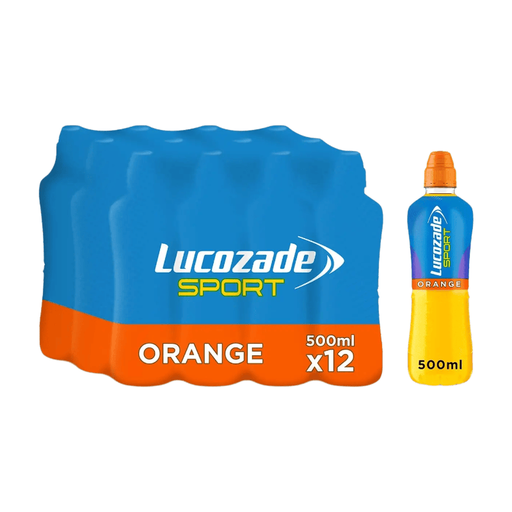
Lucozade Sport Orange, 12 × 500 ml
Consider this ready-to-drink pack if you plan to take some carbohydrate in your drink on a longer ride. Check the bottle’s sugar and sweetener information against your dietary needs; the listed ingredients include aspartame.
View on Joybuy
 No image available
Lucozade Sport Orange, 4 × 500 ml
This four-bottle format offers a smaller pack of the Orange drink for riders considering drink-based carbohydrate. Check the current nutrition and ingredient label, including its sweeteners, before use.
View on Joybuy
 No image available
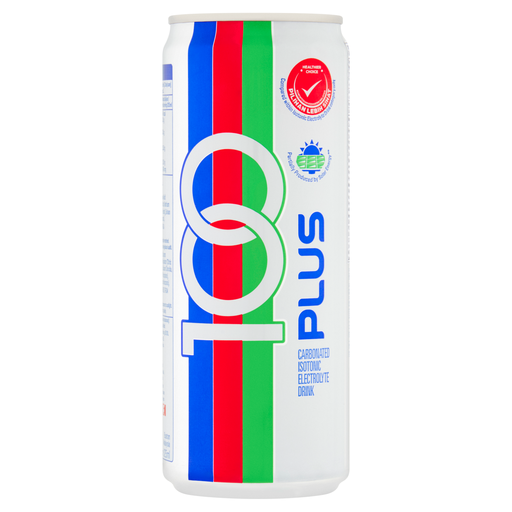
F&N 100 Plus Malaysian Carbonated Isotonic Drink, 325 ml, Halal
Consider the single-can format if you want a ready-to-drink option and are comparing carbohydrate-containing drinks. It is carbonated, so check the can’s nutrition and ingredients as well as whether that format suits your ride.
View on Joybuy
 No image available
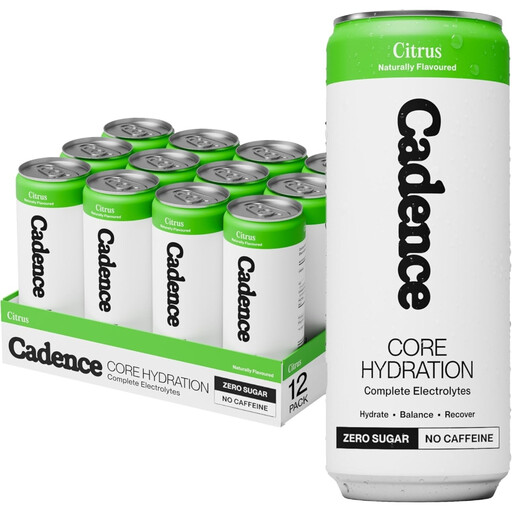
Cadence Core Hydration Drink Citrus, 12 × 330 ml
Consider these ready-to-drink cans for a lighter ride when you are not relying on the drink for carbohydrate fuel. If sodium intake matters to your comparison, read its amount on the current can rather than inferring it from an electrolyte description.
View on Joybuy
 No image available
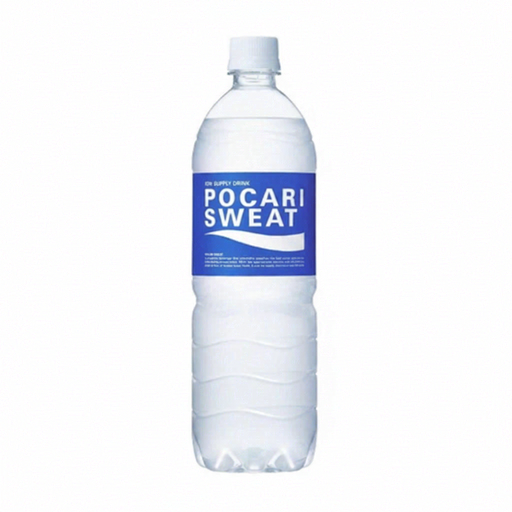
Pocari Sweat Drink, 900 ml
This larger ready-to-drink bottle is an option when comparing drinks containing carbohydrate and sodium. Check the current nutrition label for sugars if that figure is important to your choice.
View on Joybuy
Questions about cycling drinks
Do I need a sports drink for a ride under 90 minutes?
Not usually for carbohydrate fuel: British Cycling says rides up to about 90 minutes generally do not require additional fuel. Fluid needs still vary with conditions and effort, so this is not a rule to avoid drinking.
When should I choose a carbohydrate drink instead of a zero-sugar one?
Choose a carbohydrate-containing drink if you want your bottle to contribute to a longer ride’s fuelling plan. British Cycling advises starting to fuel on rides over 90 minutes; a zero-sugar electrolyte drink serves a different purpose, so check its carbohydrate per serving before relying on it for fuel.
What should I check if a zero-sugar drink contains sweeteners?
Check the specific sweeteners and any pack warning. The NHS says sweeteners approved for use in Great Britain are assessed for safety, but people with phenylketonuria (PKU) must avoid aspartame.
Does zero sugar settle the dental question?
No. The NHS notes that carbonated drinks can be associated with dental erosion because of their acid content, regardless of whether they contain sugar. Check whether the particular drink is carbonated rather than judging it by sugar content alone.
Why do similar sports drinks have different nutrition totals?
Formulas and serving sizes differ, even within a brand. ASDA lists 6.3 g carbohydrate per 100 ml for Lucozade Sport Orange, while its Zero Sugar Orange & Peach is a different variant labelled for low-intensity exercise. Compare the current labels on the exact drinks you are considering.


