Choose a drink and container for the ride itself rather than buying a glass-bottle mixer as cycling nutrition. British Cycling’s indoor-riding advice discusses fluid intake and electrolytes, while Fever-Tree and Fentimans describe their mixers chiefly for serving with spirits or in cocktails. A mixer can still be a flavour-led drink after a ride, but its label—not its presentation—must answer any nutrition questions.
Who is choosing a drink?
Riders choosing what to drink on the bike
Start with the planned ride and the drink’s stated composition. A tonic or cocktail mixer is selected for a different purpose; its flavour or sugar content alone does not establish that it meets your riding-drink requirements.
Riders planning longer or hot indoor sessions
Fluid volume and electrolyte information deserve particular attention. British Cycling’s indoor-cycling guidance notes that riders may drink 750–1000ml per hour indoors and advises adding electrolytes to the fluid consumed. That indoor example is not a target for every rider or ride.
Riders choosing a drink for after the ride
If the aim is a soft drink to serve once you have stopped, a tonic, ginger drink or lemonade can be chosen for flavour. Read the exact product label rather than treating a mixer as part of your riding nutrition plan.
What should you check?
Decide whether the drink is for the ride or for serving afterwards, then check its label and the container you would actually carry.
| Priority |
What to check |
Your needs |
| Ride fluids and electrolytes |
Check the planned fluid volume and any stated electrolyte amounts on the exact drink. British Cycling’s advice about adding electrolytes concerns indoor riding and maintaining electrolyte levels; it does not establish that every labelled drink suits every session. |
I’m choosing what to carry for a longer or hotter indoor ride and want to compare the drink’s stated contents with my plan. |
| Drink purpose and label |
Check whether the product is presented as a mixer or a riding drink. Read its ingredients and nutrition information, including carbohydrate and salt where stated; a mixer’s flavour or sugar content does not establish its electrolyte content. |
If I want a tonic after cycling, taste matters. If it is going on the ride, I need to assess the actual drink rather than rely on its name or presentation. |
| Carrying format |
Check the container’s capacity, closure and fit with the bottle holder you intend to use. Fever-Tree describes cans as an on-the-go format and bottles as a serving format; neither description confirms that a particular bottle fits a bike. |
I want a container I can carry and use while riding, not just one that looks suitable on a table afterwards. |
| Familiarity before an event |
Read the serving instructions and try an unfamiliar drink during training. British Cycling advises against trying something new on event day and recommends testing feed-station supplies in advance. |
For a race or important long ride, I would rather know beforehand whether I like the drink and how I will use it. |
Buying pitfalls
-
Assuming a mixer is a cycling drink
Fever-Tree presents its tonic for serving with spirits, whereas British Cycling’s indoor-riding advice addresses fluid intake and electrolytes. A mixer’s taste or sugar content cannot tell you whether it contains the electrolytes you intend to use.
For a ride, inspect the exact drink’s nutrition label and intended use. Keep a mixer as an off-bike choice unless its stated contents meet the requirements of your plan.
-
Choosing glass for its presentation
A serving bottle does not automatically work as an on-bike container. Fever-Tree describes its cans as on-the-go products, and Fentimans describes cans as lightweight for outdoor occasions; these are format descriptions, not cycling-nutrition claims.
Check the capacity, closure and bottle-holder fit of what you will carry. Save a glass serving bottle for a stationary occasion if that is the format you prefer.
-
Trying an unfamiliar drink on an important ride
Discovering that a drink does not suit your taste or plan during an event makes that plan harder to follow. British Cycling advises riders not to try something new on event day.
Try a new drink during ordinary training first, and find out in advance what an event’s feed stations will provide.
Mixer brands in context
These references help distinguish mixer ranges from drinks chosen for a ride; they do not indicate that every product from a brand has the same ingredients or packaging.
Fever-Tree
Fever-Tree describes its Premium Indian Tonic Water as a drink for pairing with spirits, with bottles presented for serving and cans for on-the-go occasions.
- Consider the specific tonic when choosing an off-bike mixer for its flavour.
- That stated serving purpose does not establish its suitability as a riding drink; check the exact label for any contents that matter to your plan.
Fentimans
Fentimans presents its tonic-and-mixer range around spirits and cocktail recipes. Its outdoor guidance describes canned drinks as lightweight to carry.
- Its mixer range is relevant when botanical flavour and an off-bike serve are the decision.
- A portable pack format does not establish that the drink meets a cycling-nutrition requirement.
Schweppes
Tesco Groceries lists Schweppes tonic, slimline tonic, ginger ale and lemonade within its mixer category.
- The listed drinks give you several mixer types to compare for an off-bike serving occasion.
- A category listing does not establish the nutrition or packaging details of the particular product you choose.
Tesco
Tesco Groceries lists own-label tonic-water options alongside branded drinks in its mixer category.
- You can compare the labels and pack formats of own-label and branded mixers for the serving occasion you have in mind.
- Assess each drink by its own label; its place in a mixer category does not make it a cycling drink.
Joybuy cycling-drink options
These are powders and ready-to-drink products to assess for a riding-drink plan, not glass-bottle mixer recommendations. Compare each label and preparation or carrying format with the ride you have planned.
 No image available
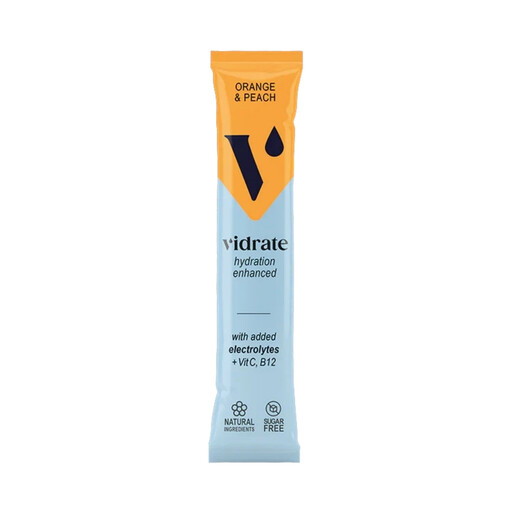
Vidrate Orange & Peach Hydration Powder, 3g
A powder option if you want to prepare a drink using water and your chosen bottle. Follow the preparation directions and check the current label for electrolyte amounts and warnings before fitting it into a ride plan; it is not a bottled mixer.
View on Joybuy
 No image available
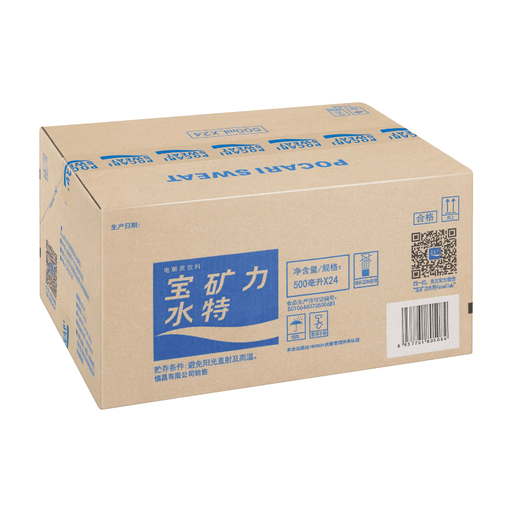
Pocari Sweat Sports Drink, 24 × 500ml
A ready-to-drink option supplied as 24 × 500ml bottles rather than a glass-bottle mixer. Check the current ingredients and nutrition label for the composition you need, and confirm the bottle’s closure and fit if you intend to carry it on the bike.
View on Joybuy
 No image available
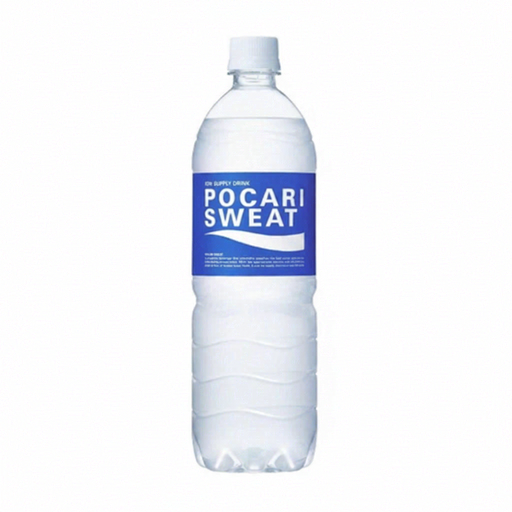
Pocari Sweat Drink, 900ml
The 900ml size gives you a different ready-to-drink format to consider. Read its nutrition label for the quantities relevant to your plan, and check the bottle’s dimensions and closure before assuming it will work in an on-bike holder.
View on Joybuy
 No image available
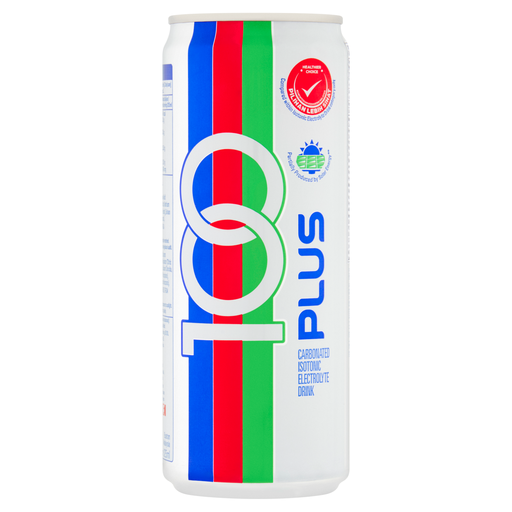
F&N 100 Plus Malaysian Carbonated Isotonic Drink, 325ml
A 325ml carbonated drink to assess if you are considering a ready-to-drink option. Check its nutrition label and carrying format against your plan, and try it during training before relying on an unfamiliar drink for an important ride.
View on Joybuy
 No image available
Genki Forest Alien Electrolyte Water, White Peach, 15 × 600ml
A multi-bottle, ready-to-drink option labelled as electrolyte water. Check the current nutrition label for electrolyte quantities if they matter to your ride plan, and confirm the bottle’s dimensions and closure before carrying it on the bike.
View on Joybuy
Common questions
Can tonic water replace an electrolyte drink on a cycle ride?
Do not assume that it can. British Cycling advises adding electrolytes to fluid when maintaining electrolyte levels is the aim during indoor riding, while Fever-Tree presents its tonic as a mixer. Check the exact drink’s declared contents if electrolyte intake is part of your plan.
Should I carry a glass bottle of mixer while cycling?
Choose a container whose capacity, closure and fit work for your bike rather than assuming a serving bottle will do. Fever-Tree describes bottles for serving and cans for on-the-go use, but that does not confirm the material or on-bike suitability of a particular bottle.
Does a mixer make sense after a ride?
Yes, if you want a flavour-led soft drink or mixer after riding. Fever-Tree and Fentimans describe serving and cocktail uses for their mixer ranges; choose by the particular drink’s ingredients and label, without treating it as a substitute for your riding-drink plan.
Should I try a new drink for the first time on event day?
Try it during training instead. British Cycling advises riders not to try anything new on event day and to find out what feed stations will supply so they can test it in advance.


