For a short ride, a zero-sugar fizzy drink can be a choice for taste before or afterwards, with fluids for the ride planned separately; choose a labelled caffeine-free version if you want to avoid caffeine. For longer rides, plan carbohydrate and fluids rather than relying on a zero-sugar drink: British Cycling’s guidance for indoor rides over 90 minutes suggests 30–60 g of carbohydrate per hour. Regular cola contains sugar, but sugar content alone does not establish that it meets a ride’s fluid and electrolyte needs.
Who is making this choice?
Leisure riders choosing a drink after cycling
If the drink is for enjoyment rather than ride fuel, compare regular and zero-sugar varieties by their labels. A caffeine-free version gives you another choice if you do not want caffeine; plan fluids for the ride separately.
Riders planning longer sessions
Carbohydrate and fluids matter more than whether a drink is fizzy. British Cycling’s guidance for indoor rides over 90 minutes suggests 30–60 g of carbohydrate per hour, so check how a drink fits alongside any food you plan to take.
Riders avoiding caffeine
Zero sugar does not mean caffeine-free. Look for an explicit caffeine-free label and consider caffeine from other drinks or cycling products you use.
What should you check?
Decide whether the drink is for taste or part of your ride plan, then compare the exact pack’s nutrition and ingredients.
| Priority | What to check | Your needs |
|---|
| Ride fuel |
Check carbohydrate per 100 ml and per serving, then consider the amount you would drink alongside food. British Cycling suggests 30–60 g of carbohydrate per hour in its guidance for indoor rides over 90 minutes. |
For a longer session, I need a carbohydrate plan, not just a drink chosen for its flavour or fizz. |
| Sugar choice |
Compare sugars per 100 ml and per serving on the exact pack. Pepsi UK lists 0 g sugars per 100 ml for Pepsi Max; a zero-sugar choice is not a source of ride carbohydrate. |
After an easy ride, I might want a fizzy drink without adding sugar from the drink, while keeping my ride fuel and fluids separate. |
| Caffeine |
Look for an explicit caffeine-free designation rather than assuming that “zero sugar” means no caffeine. Include coffee, tea and cycling products when considering your intake. |
I want to know whether my drink adds caffeine, especially if I use other caffeinated products. |
| Practical use |
Check the pack’s ingredients and serving size. British Cycling advises using training rides to establish which foods and products work for you on the bike. |
If I plan to drink it while riding, I want to find out in training whether it suits my routine. |
Mistakes to avoid
-
Counting a zero-sugar drink as ride fuel
A zero-sugar fizzy drink is not a meaningful source of the carbohydrate needed in a longer-ride fuel plan.
Plan food or a carbohydrate-containing drink for the session. British Cycling’s guidance for indoor rides over 90 minutes suggests 30–60 g of carbohydrate per hour.
-
Assuming sugary cola is a cycling drink
Sugar content alone does not tell you whether a cola provides the fluid and electrolyte combination you intend to use on a ride.
Compare its carbohydrate content and ingredients with your full ride plan rather than treating “contains sugar” as a complete fuelling strategy.
-
Confusing zero sugar with caffeine-free
A zero-sugar cola may still contain caffeine, which also appears in some coffees, teas and cycling products.
Choose a drink explicitly labelled caffeine-free when that matters to you, and consider your other caffeine sources.
-
Using another variant’s nutrition label
Sugar, sweeteners and caffeine statements can differ between drinks in the same brand range.
Check the current pack for the specific flavour and size you are buying, including its ingredients and nutrition per 100 ml.
Brand ranges to compare
These ranges illustrate different label choices; a brand name alone does not establish whether a particular drink suits a ride plan.
Coca-Cola
Coca-Cola Great Britain lists Coca-Cola Zero Sugar and a separately named Caffeine Free version.
- The Caffeine Free variant provides a clearly identified choice for someone avoiding caffeine.
- Choose by the exact variant: zero sugar is not a substitute for planned carbohydrate on a longer ride.
Pepsi
Pepsi UK lists Pepsi Max with 0 g sugars per 100 ml and a distinct Pepsi Max No Caffeine product.
- The separate variant names make sugar and caffeine choices worth comparing on the pack.
- Neither a zero-sugar label nor a cola name establishes a longer-ride fuelling plan.
Sprite
Sprite is a lemon-and-lime alternative to cola for riders choosing a fizzy drink for taste.
- Compare the regular and Zero variants when sugar content matters to your choice.
- Check the particular pack’s nutrition and ingredients rather than treating either variant as ride fuel.
Fanta
Coca-Cola Great Britain lists Fanta among its drink brands.
- Its individual flavours give shoppers another fizzy-drink range to examine.
- Check the exact flavour and pack for sugar, caffeine and ingredients; do not apply another drink’s figures to it.
Dr Pepper
Coca-Cola Great Britain lists a Dr Pepper Zero variant for shoppers comparing regular and zero-sugar drinks.
- The Zero variant offers a distinct sugar-label choice within the range.
- Check caffeine and ingredients on the specific pack; “Zero” does not itself mean caffeine-free.
Tesco
Tesco lists both a Diet Cola with caffeine and a separate Caffeine Free Diet Cola.
- The separate listings help distinguish a diet-cola choice from a caffeine-free one.
- Use the current bottle label for its ingredients and nutrition, particularly when comparing variants.
Joybuy drinks for different ride plans
These options include fizzy drinks for choosing by taste, sugar or caffeine, alongside sports drinks to consider when planning carbohydrate and fluids for a ride.
 No image available
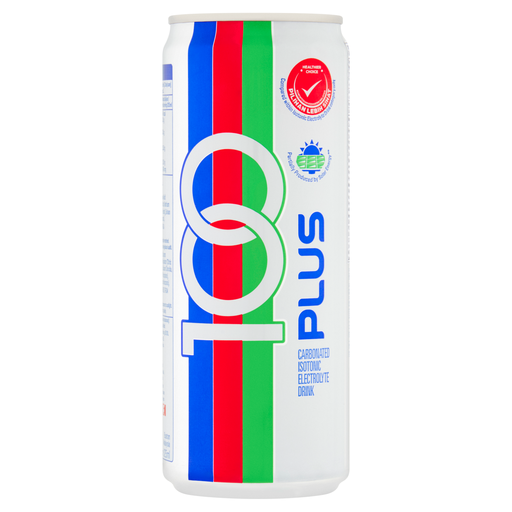
F&N 100 Plus Malaysian Carbonated Isotonic Electrolyte Drink 325ml Halal
This 325ml carbonated drink is an option to examine if you want a fizzy sports drink rather than a zero-sugar soft drink. Check its current pack for carbohydrate and electrolyte amounts, and for caffeine if that affects your choice; work out how it fits your full ride plan.
View on Joybuy
 No image available
7UP Zero 330ml 24-pack
A 24-pack of 330ml cans for a zero-sugar fizzy-drink choice when ride fuel is not the purpose. Check the current pack for its caffeine statement, sweeteners and phenylalanine information if those affect your choice; plan carbohydrate separately for a longer ride.
View on Joybuy
 No image available
Pepsi Max Caffeine Free 24 × 330ml
This 24-pack of 330ml cans is a cola option when a caffeine-free variant matters more than ride fuel. Check the current pack’s sugar, sweetener and phenylalanine statements; arrange fluids and carbohydrate separately for longer cycling sessions.
View on Joybuy
 No image available
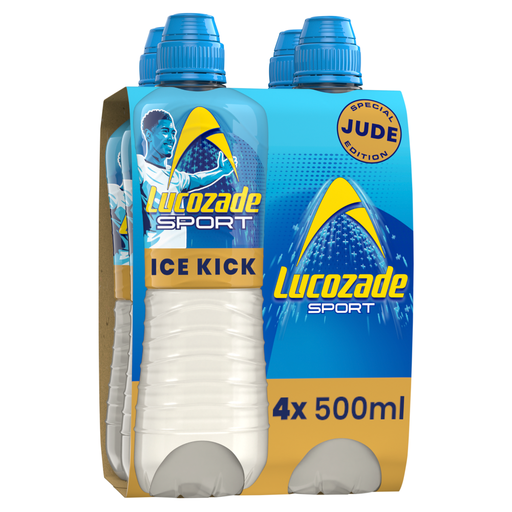
Lucozade Sport Lemon & Lime 4 × 500ml
This four-pack of 500ml sports drinks is an option to assess for a longer-ride carbohydrate and fluid plan, rather than assuming it is a fizzy soft drink. Check the current pack’s carbohydrate, electrolyte, caffeine and ingredient information, and try your chosen plan in training.
View on Joybuy
Questions about fizzy drinks and cycling
Can a zero-sugar fizzy drink fuel a long bike ride?
Not as the carbohydrate source in a longer-ride plan: a zero-sugar drink supplies little or no sugar. British Cycling’s guidance for indoor rides over 90 minutes suggests 30–60 g of carbohydrate per hour. Plan food or a carbohydrate-containing drink alongside your fluids, and try the plan in training.
Is regular cola an isotonic cycling drink?
Sugar in cola does not, by itself, establish that the drink is isotonic or supplies the electrolytes you want for cycling. British Cycling describes isotonic drinks as having a concentration of around 5–8%; check the exact drink’s carbohydrate and ingredients against your ride plan rather than judging it by sweetness.
What should I choose if I do not want caffeine?
Choose a drink explicitly labelled caffeine-free, rather than relying on a zero-sugar name. Coca-Cola Great Britain lists Coca-Cola Zero Sugar Caffeine Free, Pepsi UK lists Pepsi Max No Caffeine, and Tesco lists Caffeine Free Diet Cola. Check the current pack of the variant you buy.
Should I check the label each time I buy a different flavour or pack?
Yes. Compare the exact pack’s sugars per 100 ml and per serving, ingredient list and caffeine statement. Flavours and variants need not share a formulation, and Tesco advises shoppers to read the pack because product information can change.


