What should you check before choosing?
Decide what the drink needs to contribute to the ride, then compare its serving size and label with what you plan to carry and consume.
| Priority |
What to check |
Your needs |
| Fluids and electrolytes |
Check the volume you can carry and whether the exact drink lists electrolytes for exercise use. Do not assume that a sparkling energy drink has the same formulation as an isotonic sports drink. |
On a longer or warmer ride, I want a drink plan that accounts for fluids, with electrolytes where appropriate. British Cycling advises steady fluid intake during a ride. |
| Carbohydrate |
Read carbohydrate per 100 ml and per bottle or can; include food and other drinks in the plan. A 2015 review in Ned Tijdschr Geneeskd recommends 30–60 g per hour for high-intensity exercise lasting 1–2.5 hours, not for every ride. |
If I am planning carbohydrate intake during a demanding ride, I want to know how much the drink contributes rather than relying on the word “energy”. |
| Caffeine |
Find the caffeine amount for the volume you will actually drink, then account for other sources that day. Red Bull states 80 mg per 250 ml Original can; a Joybuy Monster listing states 32 mg per 100 ml. |
I might want caffeine, but I need to compare doses across different can sizes instead of treating one can as a standard serving. |
| Fizz and format |
Confirm carbonation on the exact product if fizz matters. Check bottle or can size and whether its opening and shape work for how you will carry and drink it. |
A sparkling taste matters to me, but I still need a format that fits my ride and the fluid, carbohydrate or caffeine plan I have chosen. |
Joybuy drinks to compare
These options span isotonic sports drinks and sparkling energy-drink formats. Compare each one for the job you want it to do; the list is not a like-for-like ranking of cycling performance.
 No image available
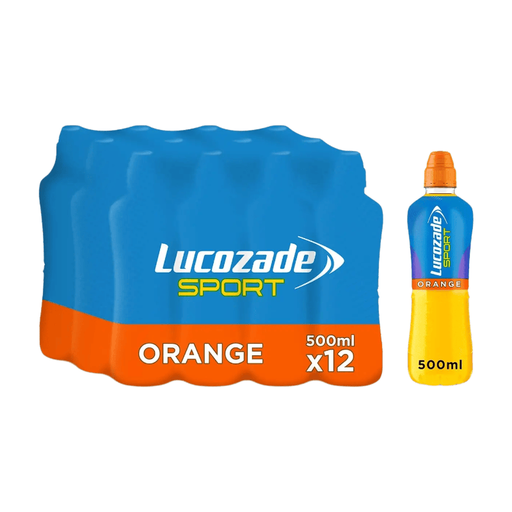
Lucozade Sport Orange 12 × 500 ml
Consider this isotonic sports-drink format when you are comparing drinks containing carbohydrates and electrolytes for a ride. The pack contains 12 × 500 ml bottles. Confirm carbonation before choosing it for a specifically fizzy-drink preference; the listing also notes a source of phenylalanine and says it is not suitable for people with phenylketonuria.
View on Joybuy
 No image available
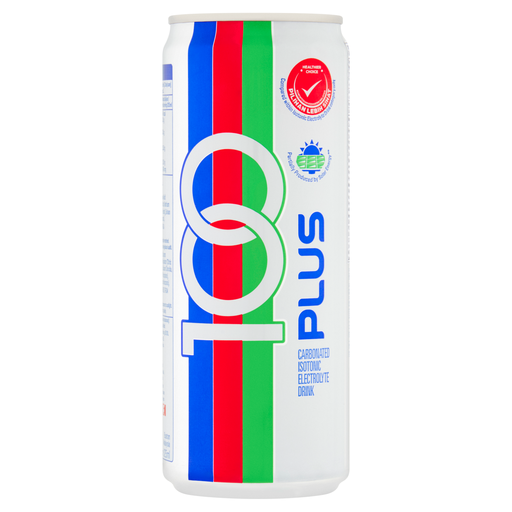
F&N 100 Plus Carbonated Isotonic Drink 325 ml, Halal
This 325 ml carbonated isotonic electrolyte drink is an option when fizz matters alongside the sports-drink format. Check the can’s carbohydrate information against the rest of your ride plan, and do not count it as a measured caffeine serving without checking its label.
View on Joybuy
 No image available
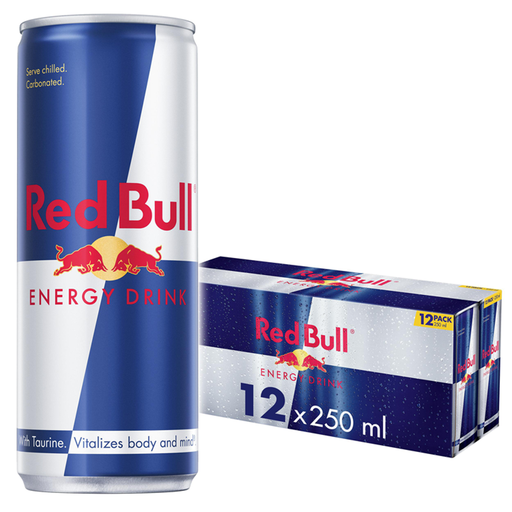
Red Bull Energy Drink 12 × 250 ml
The 250 ml can is a defined sparkling caffeine serving: Red Bull states 80 mg caffeine per can. This pack contains 12 cans. Count the drink alongside other caffeine sources, and plan fluids separately when the ride calls for them.
View on Joybuy
 No image available
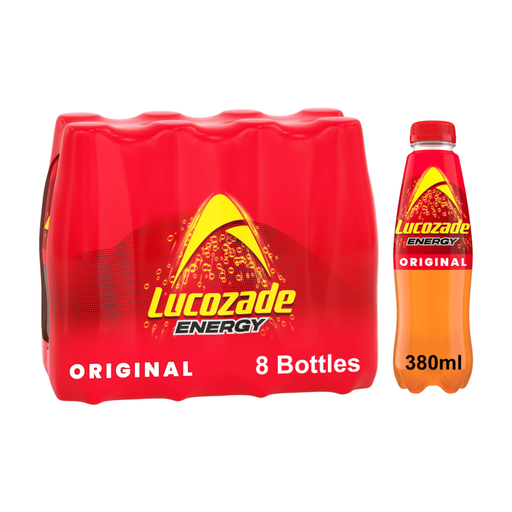
Lucozade Energy Original 8 × 380 ml
Choose this sparkling glucose-containing drink only after considering where its carbohydrate fits in your ride plan. The pack contains eight 380 ml bottles; the Joybuy listing states 8.9 g carbohydrate per 100 ml. Check the bottle for its caffeine amount if you intend to track your dose, and do not treat the Energy range as interchangeable with Lucozade Sport.
View on Joybuy
 No image available
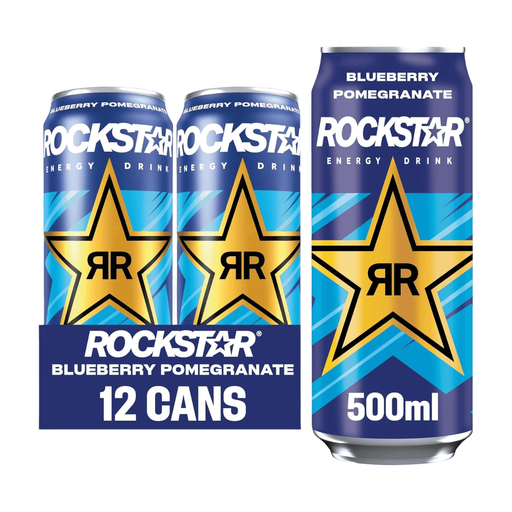
Rockstar Blueberry & Pomegranate 12 × 500 ml
These 500 ml cans suit a comparison of larger energy-drink servings. Check the exact can’s caffeine and carbohydrate figures for the amount you intend to drink, including any caffeine from other sources. Do not assume that its energy-drink positioning establishes an isotonic or electrolyte-drink role.
View on Joybuy
Cycling drink questions
Can a sparkling energy drink replace my cycling drink?
Do not assume it can replace your fluid plan. British Cycling advises steady intake of fluids and nutrients during a ride; a sparkling energy drink may contribute caffeine or carbohydrate, while an isotonic sports drink should be assessed for its stated carbohydrate and electrolyte content. Choose according to what you need to carry and consume on that ride.
How much carbohydrate should I count from a drink?
Use the nutrition panel for the amount you will actually drink, and count it alongside food and other drinks. A 2015 review in Ned Tijdschr Geneeskd recommends 30–60 g carbohydrate per hour for high-intensity exercise lasting 1–2.5 hours; that recommendation should not be applied to every ride. The Joybuy listing for Lucozade Energy Original, for example, states 8.9 g carbohydrate per 100 ml.
Where does a zero-sugar sparkling drink fit?
It can fit a preference for sparkling flavour without adding sugar through that drink. Tesco describes Monster Ultra as a zero-sugar sparkling energy drink. If you plan to consume carbohydrate during the ride, account for it through food or another drink rather than counting a zero-sugar option as fuel.
How should I compare caffeine between cans?
Compare milligrams in the amount you intend to drink and consider your other caffeine sources. Red Bull states 80 mg per 250 ml Original can, while a Joybuy standard Monster listing states 32 mg per 100 ml. Those figures use different serving bases, so compare the volume as well as the number of cans.


