
24/7 Customer Support

Free returns

Same-day & Next-day Delivery

Quality Guaranteed

Unlock Your Welcome Offers: FREE Delivery | Up to 80% OFF | Free 30-day JoyPlus trial
Download the APP
Choosing cycling equipment is not simply a matter of picking the most heavily advertised product. UK riders often need to balance rain, low-light conditions, limited storage, mixed surfaces and varying levels of traffic. A suitable setup for a daily commuter may be very different from one intended for weekend trail rides.
The most common buying mistakes usually come from three areas:
A practical approach is to assess your route, riding frequency and storage needs first, then compare the specifications that directly affect everyday use.
Correct sizing is essential for bicycle helmets, cycling clothing and bikes. Measure your head circumference before ordering a helmet and compare it with the stated range. For example, the OutdoorMaster RhinoUrban is available in a medium size for 54–58 cm and a large size for 58–61 cm. The DKONI HS-158 offers several size ranges, including 48–55 cm, 52–58 cm and a larger option.
A helmet should sit level and remain secure when the chin strap is fastened. An adjustable dial can help refine the fit, but it cannot compensate for selecting the wrong size. Replace any helmet after a significant impact, even if the shell appears undamaged.
For bicycles, check the recommended rider height, inside leg measurement and maximum load. The Boss Venom mountain bike has an 18-inch frame, a stated rider height range of 157–183 cm, and a maximum rider weight of 115 kg including luggage and clothing. The DAHON folding bikes accommodate riders from 145–190 cm, with a maximum rider weight of 105 kg.
Look beyond appearance and count the components that affect control. The Boss Venom includes 26 × 1.95-inch knobbly tyres, a 21-speed drivetrain, suspension forks and V-brakes. This combination is intended for casual off-road and general riding, rather than downhill mountain biking, heavy drops or extreme BMX use.
For urban riding, visibility is a practical part of bicycle safety gear. Some helmets in this selection include rechargeable front or rear lights. The DKONI HS-086 has a removable USB rechargeable rear light with two modes, while the HS-158 includes five white front LEDs and 13 red rear LEDs with four rear-light modes.
Check the stated safety certifications rather than relying on phrases such as “maximum protection”. Several listed helmets specify CPSC, ASTM or CE certification. These are product details to verify on the listing, not a replacement for defensive riding, working bicycle lights and compliance with UK traffic rules.
For commuting, a bag must fit your rack and hold the items you actually carry. The ROCKBROS 30L Waterproof Bicycle Rear Rack Bag is designed for MTB, road bikes and e-bikes, offering a substantial capacity for workwear, food or daily essentials. Confirm that your bicycle has a compatible rear rack and check how the fastening system attaches before purchase.
Water-resistant materials can help with light showers, but no bag should be assumed to protect valuables indefinitely in heavy rain unless the product information clearly states the relevant level of protection. Consider using internal pouches for electronics and documents.
Cycling gloves are another useful part of commuter cycling gear. Check the size chart, palm construction, closure method and whether the design is intended for warm or cooler conditions. Gloves can improve grip and comfort, but they should not restrict your ability to operate brakes or gears.
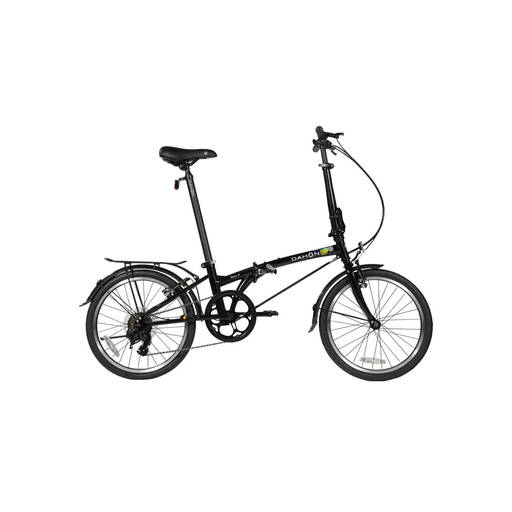
Why This Fits Their Persona: Its folding format suits first-time urban riders, flat storage spaces, car transport and short commutes where a full-size bicycle may be inconvenient.
The specifications state folded dimensions of 81 x 33 x 66.5 cm, helping buyers judge storage rather than relying on vague compactness claims.
6-speed Shimano Tourney drivetrain, foldable pedals and a stated rider height range of 145–190 cm.
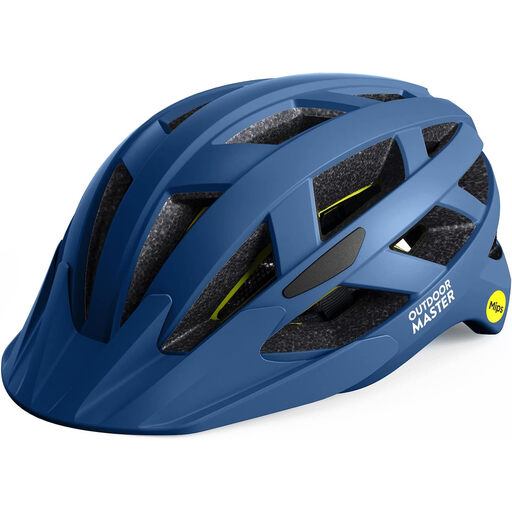
Why This Fits Their Persona: Riders who want a more adjustable helmet for road cycling, mountain biking, BMX or skating can compare its construction and fit features in one product.
The listing identifies the PC shell, EPS interior, MIPS system, two removable liners and adjustable dial, making the feature set easier to assess.
25 vents, removable visor and two removable liners for fit adjustment and cleaning.
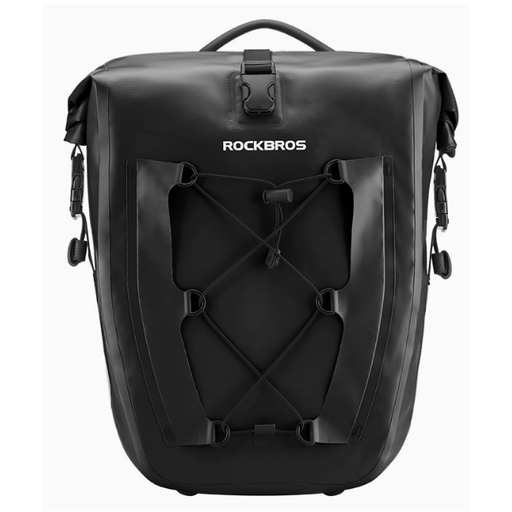
Why This Fits Their Persona: Regular commuters and riders carrying clothing, food or work essentials can prioritise capacity and bicycle compatibility.
The stated 30-litre capacity and compatibility with MTB, road bikes and e-bikes give clearer points for comparison than an unspecified “large” label.
Rear-rack format and waterproof construction are suited to carrying daily items in changeable UK weather.
We have compiled a complete, real-time list of products that fully satisfy these strict selection criteria and UK safety regulations.
At minimum, consider a properly fitted helmet, front and rear lights for low-light riding, reflective or visible cycling clothing, reliable brakes and a way to carry essentials. A rack bag or pannier can be more practical than a backpack for longer commutes. Gloves may also improve grip and comfort in cool or wet conditions.
Replace a helmet immediately after a significant crash or impact. You should also inspect it regularly for cracks, damaged straps, compressed padding or a poor-fitting adjustment system. The useful lifespan varies with storage, frequency of use and impact history, so follow the manufacturer’s care guidance rather than relying only on a fixed replacement date.
They can suit urban transport, train connections, small flats and office storage. Compare the folded dimensions, weight, rider height range, gearing and maximum load before buying. Folding bikes such as the DAHON Dream D6 and Route are intended for city riding and gentle hills, not extreme terrain or demanding off-road use.