
24/7 Customer Support

Free returns

Same-day & Next-day Delivery

Quality Guaranteed

Unlock Your Welcome Offers: FREE Delivery | Up to 80% OFF | Free 30-day JoyPlus trial
Download the APP
Choosing cycling equipment and accessories can look straightforward until you compare frame sizes, folded dimensions, safety labels, weather protection and glove fit. Marketing often highlights a single attractive feature while leaving out the details that affect everyday use.
For UK riders, the right purchase should match your route, storage space, riding frequency and local weather. A folding bike may suit a train commuter, while a mountain bike may be more appropriate for gravel paths. Likewise, a large pannier is useful for carrying work items, but unnecessary bulk can make a short leisure ride less comfortable.
A 20-inch wheel does not automatically make one folding bike the same as another. Check the folded dimensions, total weight, rider height range, maximum rider weight and number of gears. These specifications affect whether the bike fits beneath a desk, inside a car or on public transport.
For off-road riding, also check the intended use. A casual mountain bike with V-brakes and suspension forks may handle gravel and uneven paths, but it may not be designed for downhill riding, jumps or extreme terrain.
A bag described as waterproof may offer useful resistance to rain, but buyers should still check how the main compartment closes, whether seams are sealed and whether valuables need an additional dry pouch. A rear rack bag also requires a compatible and securely fitted bicycle rack.
For regular UK commuting, bicycle pannier bags, mudguards, lights and reflective details can be more practical than relying on one weather-resistant bag alone.
A cycling helmet should fit securely, sit level on the head and carry the relevant safety marking. For UK cycling, look for information such as BS EN 1078 or an applicable CE/UKCA marking, and follow the product’s instructions. Do not assume that a multi-sport helmet is suitable for every activity or impact scenario.
Cycling gloves also vary considerably. Lightweight half-finger gloves can prioritise ventilation and handlebar feel, while full-finger motorcycle gloves may add knuckle protection but feel warmer and less flexible. Check the size chart rather than relying only on your usual clothing size.
For adults, compare the stated rider height range with your own height and inside-leg measurement. A bike that is technically the correct wheel size can still feel awkward if the frame or seat adjustment is unsuitable.
Maximum weight limits include more than the rider. Luggage, clothing and carried accessories may count towards the stated limit. The Boss Mountain Bike Venom, for example, lists a maximum rider weight of 115 kg including luggage and clothing. The DAHON folding models listed below specify a maximum rider weight of 105 kg.
Folding bikes are useful when storage and multi-modal travel matter. The DAHON Hit D6 weighs 11.54 kg and folds to 65 × 34 × 82 cm, while the DAHON Route weighs 11.98 kg and folds to 80 × 34 × 66 cm. These differences can matter when lifting a bike upstairs or storing it in a compact flat.
Gear count is only part of the decision. Six or seven speeds can be suitable for city riding and gentle hills, while a 21-speed setup offers more ratios for mixed terrain. Tyre width and tread should also match the route: smooth or lightly treaded tyres generally suit roads, while deeper knobbly tread is more appropriate for gravel and dirt.
Check the helmet shell, adjustment system, chin strap and liner. The OutdoorMaster Oryx helmet includes an ABS shell, EPS foam core, ventilation and removable liners in different sizes. Replace a helmet after a significant impact, even when visible damage is not obvious.
For gloves, check whether the product is water-repellent rather than fully waterproof, whether protectors restrict movement and whether touchscreen compatibility is included. Outdoor accessories such as hats can help with sun exposure, but a hat is not a replacement for a properly fitted cycling helmet.
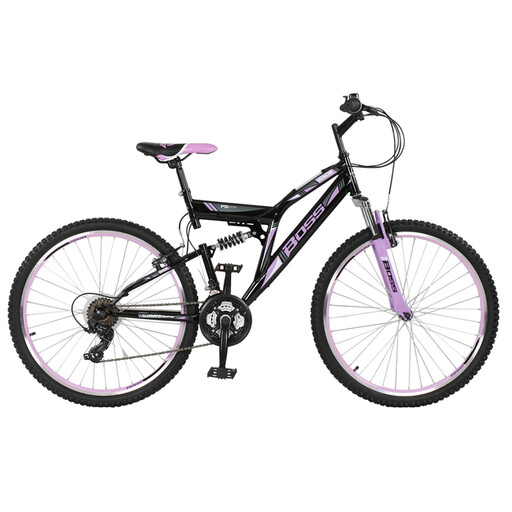
Why This Fits Their Persona: A practical option for adults starting casual off-road riding, gravel paths and general cycling without selecting a bike intended for extreme use.
The listing clearly states its casual off-road use and warns against downhill riding, heavy drops and extreme BMX activity.
18-inch frame, 21-speed gears, suspension forks and 26 × 1.95-inch tyres. Assembly is required.
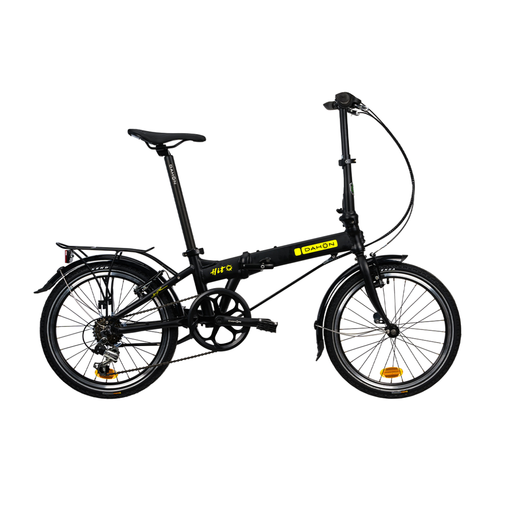
Why This Fits Their Persona: Suits commuters who value a lighter folding format, integrated practical equipment and straightforward daily use.
Its folded size and weight are specified, so buyers can compare storage and carrying requirements before ordering.
11.54 kg folding design, six-speed drivetrain, mudguards, rack and foldable pedals. Listed for riders from 145–190 cm.
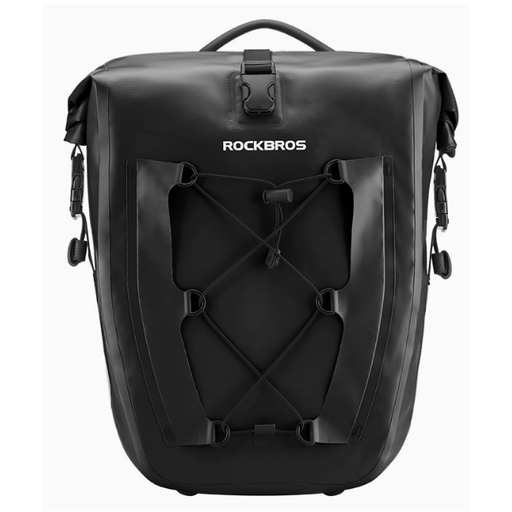
Why This Fits Their Persona: A practical choice for commuters carrying clothing, food or work essentials on MTB, road bikes or e-bikes with a compatible rear rack.
The stated 30L capacity helps set realistic expectations, while rack compatibility should be checked before purchase.
Large 30L format and a waterproof product description for carrying everyday commuting items.
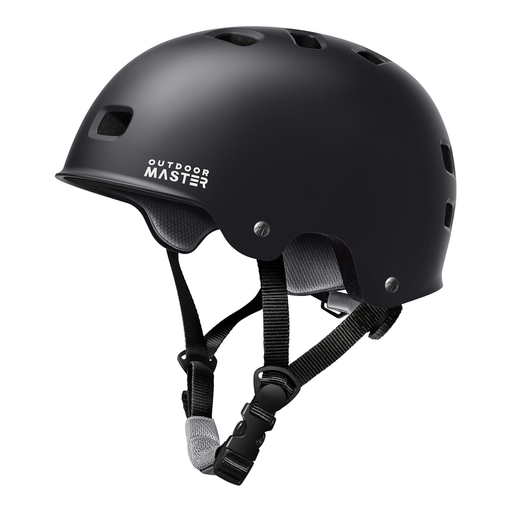
Why This Fits Their Persona: Suitable for riders wanting an adjustable helmet for everyday cycling, skating or scooter use, provided the fit and required safety marking are confirmed.
The listing identifies the shell, EPS core, liners and adjustment system rather than relying only on general protection wording.
ABS shell, EPS foam core, ventilation, adjustable chin strap and removable liners in size Medium.
We have compiled a complete, real-time list of products that fully satisfy these strict selection criteria and UK safety regulations.
A practical everyday setup may include:
Outdoor sports hats can be useful away from the bike, especially in sunny weather, but should not be worn beneath a helmet if they interfere with the fit or adjustment system.
They can be suitable where compact storage, train travel or limited indoor space are priorities. Compare folded dimensions, weight, gearing and whether mudguards or a rack are included. Check that the folding levers lock securely before each ride.
Replace a helmet after a significant impact or when the shell, straps, adjustment dial or liner is damaged. For gloves, inspect stitching, palms, fasteners and protectors regularly. Sweat, abrasion and repeated washing can gradually reduce comfort and performance.
Routine costs usually include tyre inflation, chain lubricant, brake-pad replacement, puncture repairs and occasional servicing. Wet and gritty UK conditions can increase cleaning and drivetrain maintenance needs. Folding-bike hinges, quick-release mechanisms and brake tension should also be checked regularly.