Cyclists planning a longer ride
For rides over about 90 minutes, British Cycling advises eating from the start. Food and drinks that are easy to carry, reach and use fit that plan more readily than an assorted presentation box.


For a ride that calls for on-bike food, choose manageable carbohydrate snacks and drinks you have practised using rather than relying on an assorted fudge or chocolate box. British Cycling says extra fuel is generally unnecessary for rides up to about 90 minutes and advises eating from the start on longer rides. If you are buying a box as a gift or post-ride treat, choose it by format, ingredients and the recipient’s allergen needs.
For rides over about 90 minutes, British Cycling advises eating from the start. Food and drinks that are easy to carry, reach and use fit that plan more readily than an assorted presentation box.
If the box will be opened after the ride, flavour assortment, pack size and the recipient’s dietary requirements matter more than whether individual pieces fit in a jersey pocket.
Exercise snacks need to fit an individual diabetes-management plan, while a gift needs to suit the recipient’s allergies. Check the exact product label: ingredients and precautionary allergen warnings differ between confectionery products.
Decide whether the purchase is for eating during the ride or sharing afterwards, then check the portion, packaging and label against that purpose.
| Priority | What to check | Your needs |
|---|---|---|
| Ride duration | British Cycling says extra fuel is generally unnecessary for rides up to about 90 minutes and advises starting to eat early on longer rides. Plan drinks as well as food. | For a short ride, I do not want to buy a box on the assumption that I must eat during it. For a longer ride, I want food I can use as part of a plan. |
| Handling on the bike | Check where food will be stored, whether portions are individually manageable and whether packaging is easy to open. British Cycling advises planning access to food and choosing a safe moment to eat. | I want to reach and open a snack without wrestling with a large box or loose assortment while riding. |
| Portion and nutrition | Compare the stated serving size with carbohydrate, sugars and fat per serving; per 100 g figures describe a different quantity. Sainsbury’s lists 17.5 g sugars and 4.3 g fat per two-piece serving of its All Butter Fudge. | If I am considering fudge, I want to know what one serving contains rather than judging it by sweetness or pack weight alone. |
| Recipient suitability | Read the current ingredients and allergen warnings for the exact product. Thorntons warns of nut cross-contamination in its production facility; retailer listings show that warnings vary by fudge and chocolate product. | For someone else, I need a box that fits their stated dietary requirements, not one that merely looks suitable from the front of the pack. |
Ride length changes the decision. British Cycling says additional fuel is generally unnecessary for rides up to about 90 minutes, while longer rides call for eating from the start.
Decide whether you need on-bike food before shopping. For a longer ride, plan familiar, manageable portions and drinks; keep a presentation box for sharing or a stop.
A sugar figure does not tell you whether a portion or its packaging will work on the bike. Sainsbury’s lists 17.5 g sugars and 4.3 g fat per two pieces of its All Butter Fudge; Tesco lists 15.1 g sugars and 2.8 g fat per serving of its All Butter Fudge Box.
Read the serving size alongside carbohydrate, sugars and fat, then consider how you would carry and eat that portion during your planned ride.
Ingredients and manufacturing warnings are product-specific. Sainsbury’s says its All Butter Fudge is unsuitable for customers with peanut, nut or egg allergy because of manufacturing methods; Thorntons warns about nut cross-contamination in its facility.
Check the current label for the exact box and the intended recipient. Do not infer that a vegetarian claim also means dairy-free or suitable for someone with an allergy.
A box intended for presentation takes more handling than a small, accessible riding snack. British Cycling advises thinking about where food is kept and how easily its wrapper opens.
If you intend to eat a familiar confectionery item during a ride, prepare a manageable portion before setting off and keep its wrapper for disposal. Leave the full box for a stop or for after the ride.
These brand examples describe confectionery formats for gifting or sharing, not an endorsement of any range as cycling fuel.
Thorntons presents its fudge as a treat or gift and lists both vanilla and assorted formats.
Tesco’s own-label All Butter Fudge Box is a 150 g boxed confectionery format.
Sainsbury’s lists its All Butter Fudge in a 125 g pack, with nutrition stated for a two-piece serving.
Waitrose lists clotted-cream fudge and a dark-chocolate-and-caramel fudge format for shoppers choosing by flavour and pack size.
M&S offers boxed chocolate selections for a gift-led purchase.
These options cover two boxed chocolates for gifting or sharing after a ride and two portioned gels to consider when planning food for a longer ride. They serve different purposes: the chocolate boxes are not substitutes for a ride-fuelling plan, and the gels are not confectionery gifts.
 No image available
A 24-piece chocolate box for sharing after a ride or giving as a gift, rather than carrying as regular on-bike food. The listing identifies hazelnuts, milk, soya and wheat as allergens; check the current pack for the recipient.
 No image available
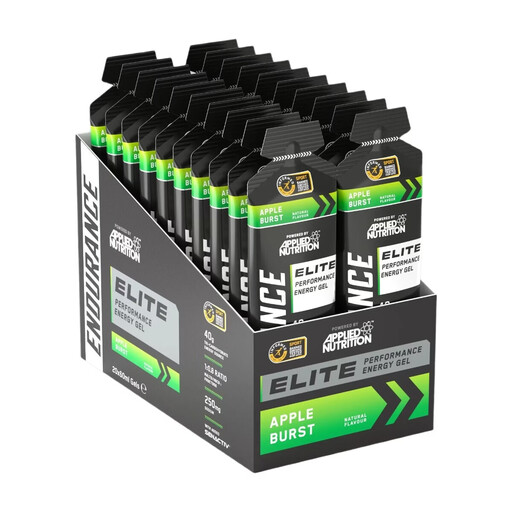
A portioned gel to consider when planning food for a longer ride, not a fudge or chocolate gift. The listing states 40 g carbohydrate and 250 mg sodium per 60 ml gel. Plan drinks alongside it and read the label’s use restrictions, including those for under-16s and pregnant or breastfeeding people.
 No image available
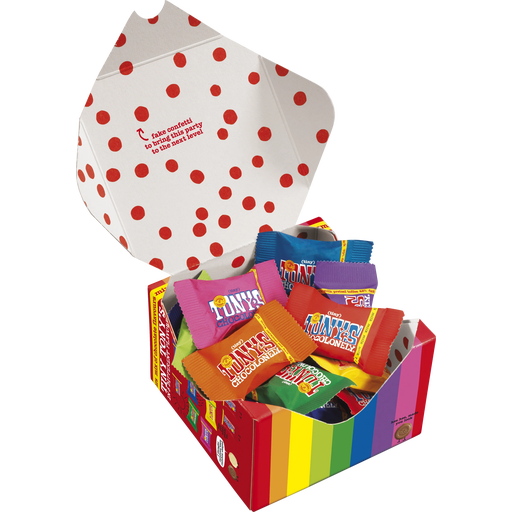
A mixed chocolate gift for sharing at home or after a ride, rather than planned on-bike fuel. The assortment description lists milk, egg, almonds, hazelnuts, wheat and soya and says it may contain peanuts and other nuts. Check the current pack for its exact contents and allergen statement.
 No image available
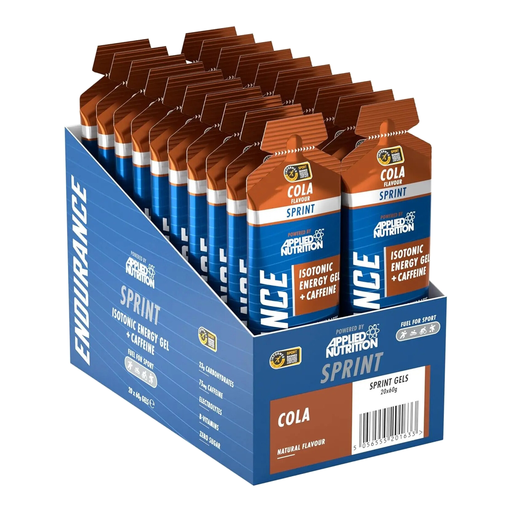
A tear-open gel format to consider for planned intake on a longer ride, not a boxed confectionery gift. The listing states 23.1 g carbohydrate per 60 g gel, but gives conflicting caffeine amounts; check the current pack before choosing it if caffeine intake matters to you. Read its other use cautions too.
Do not treat a box of fudge as a direct replacement for a fuelling plan. British Cycling says extra fuel is generally unnecessary for rides up to about 90 minutes; on longer rides, plan manageable food and drinks you have practised using. If you choose fudge, check its serving information and whether you can carry and eat the portion conveniently.
British Cycling advises starting to eat from the beginning of rides over 90 minutes rather than waiting until you feel hungry. Practise with the food and packaging you intend to use, and plan how you will carry drinks.
Choose it as a gift or post-ride treat by comparing pack size, flavours, ingredients and the recipient’s allergen needs. For example, Thorntons lists 85 g and 300 g fudge formats; those sizes describe gift choices, not their suitability as on-bike fuel.
An exercise snack should fit the rider’s individual diabetes-management plan, rather than generic advice about fudge. University College London Hospitals NHS Foundation Trust notes that snack needs can depend on the activity and how diabetes is managed; the rider should use their own guidance when planning food for exercise.
Read the current label for the exact product, including precautionary allergen statements. Sainsbury’s says its All Butter Fudge is unsuitable for customers with peanut, nut or egg allergy due to manufacturing methods, while Tesco says its All Butter Fudge Box may contain peanuts and pecan. A different box may have different warnings.