
24/7 Customer Support

Free returns

Same-day & Next-day Delivery

Quality Guaranteed

Unlock Your Welcome Offers: FREE Delivery | Up to 80% OFF | Free 30-day JoyPlus trial
Download the APP
For any serious cyclist in the UK, a pair of high-quality cycling glasses is as essential as a helmet. They protect your eyes from UV rays, wind, rain and road debris. Yet, the market is flooded with technical jargon and marketing hype, making it easy to choose a pair that looks the part but fails on the road or trail. Many riders find their expensive new sunglasses slipping down their nose, fogging up on a climb, or offering poor clarity in typical British weather.
Before you invest, it's crucial to understand the common pitfalls. Many cyclists are drawn in by features that sound impressive but offer little practical benefit, while overlooking the core elements that define a truly functional pair of sports sunglasses. Here are two frequent traps to avoid:
To ensure your new eyewear enhances your ride rather than hinders it, focus on these fundamental parameters. They are the true markers of performance and durability, cutting through the clutter of marketing claims.
The lens is the heart of any pair of cycling glasses. Your primary considerations should be material, UV protection and whether you need polarisation.
UV400 sports sunglasses and is vital for protecting your long-term eye health during hours spent outdoors.mountain bike sunglasses where flying stones and branches are a real risk. TAC lenses are often used in polarised cycling sunglasses and are known for offering superb optical clarity and scratch resistance.road cycling glasses users prefer non-polarised lenses as they can make it easier to spot subtle differences in road texture, such as oil slicks or icy patches.A frame that you forget you're wearing is the goal. This comes down to material, weight and ergonomic design.
TR90 cycling glasses can withstand stress and are resistant to deformation, making them ideal for the demands of cycling.lightweight cycling glasses, typically weighing around 30-35 grams, will prevent pressure points and discomfort on your nose and ears.aerodynamic sunglasses for cycling design not only reduces drag but also helps to keep the glasses stable at high speeds.Based on these practical criteria, we've matched several models to specific types of UK cyclists.
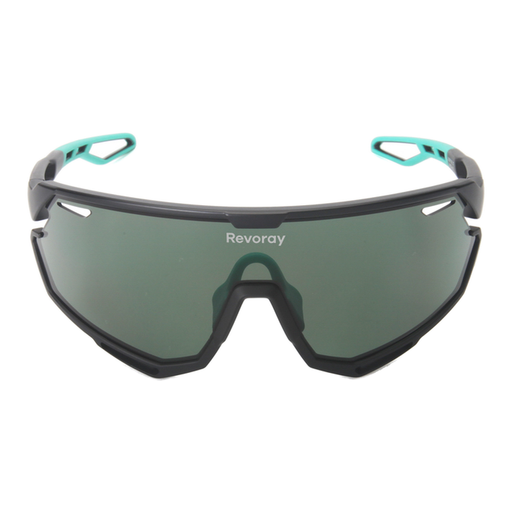
Why This Fits Their Persona: This rider prioritises speed and unobstructed vision. The non-polarised lens allows for clear reading of road surfaces, while the aerodynamic, lightweight design (approx. 30g) minimises drag and ensures stability during high-speed efforts and descents.
It avoids the "one-lens-fits-all" trap by offering a non-polarised lens, which is often preferred by road cyclists for identifying subtle changes in tarmac texture like oil or ice patches.
The one-piece PC lens provides a wide, uninterrupted field of view and high impact resistance, while the ultra-light TR90 frame ensures all-day comfort.
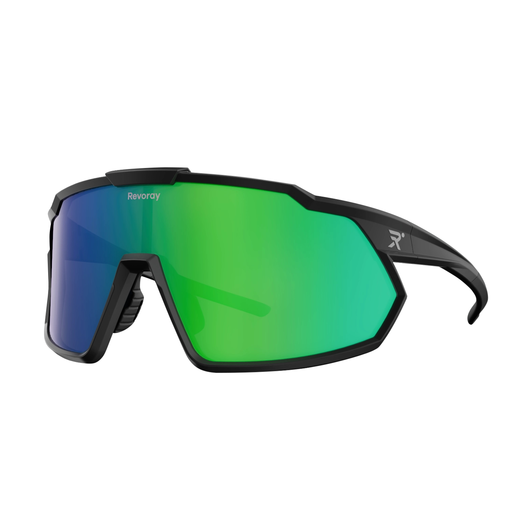
Why This Fits Their Persona: This rider needs robust protection and enhanced vision on unpredictable trails. The HD TAC polarised lenses cut through harsh glare from wet roots and dappled sunlight, while the ANSI Z87.1 impact-resistance certification provides confidence against trail debris.
It sidesteps the trap of poor fit on rough terrain. The adjustable anti-slip silicone nose pads and temples ensure the glasses remain stable and secure during bumpy descents and technical climbs.
Features professional impact-resistance certification (ANSI Z87.1) and multi-layer lens coatings (water- and oil-repellent) for durability in challenging outdoor environments.
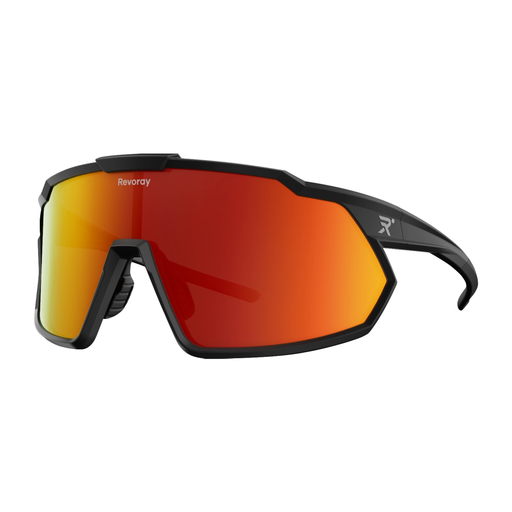
Why This Fits Their Persona: Comfort is paramount for riders spending long hours in the saddle. The ultra-lightweight design (approx. 33g) and highly flexible TR90 frame minimise pressure, while the polarised lenses reduce cumulative eye fatigue from hours of sun exposure.
This model avoids the "one-size-fits-all" frame trap by incorporating an adjustable nose pad, allowing the rider to customise the fit for their specific face shape, ensuring long-term comfort.
The combination of a lightweight, flexible TR90 frame and glare-reducing TAC polarised lenses makes it an ideal workhorse for long training rides, sportives and daily commuting.
We have compiled a complete, real-time list of products that fully satisfy these strict selection criteria and UK safety regulations.
Not necessarily. While polarised cycling sunglasses are excellent for reducing glare from flat surfaces like wet roads or water, some road cyclists find they can obscure icy or oily patches on the tarmac. They can also make it difficult to read LCD screens on some bike computers or smartphones. The choice depends on your primary cycling environment and personal preference.
Fogging is caused by the temperature and humidity difference between your face and the ambient air. To minimise it, look for glasses with good ventilation, either through small cut-outs in the lenses or an aerodynamic sunglasses for cycling design that promotes airflow. Ensuring a proper fit that isn't pressed too tightly against your face also allows air to circulate more freely behind the lens.
TR90 is a high-performance thermoplastic material known for being incredibly durable, flexible and lightweight. For cyclists, this means the frame can withstand accidental drops, flex to fit your face comfortably without creating pressure points, and is so light you'll barely notice it on long rides. This combination of comfort and resilience makes TR90 cycling glasses a popular choice for both amateur and semi-professional riders.