
24/7 Customer Support

Free returns

Same-day & Next-day Delivery

Quality Guaranteed

Unlock Your Welcome Offers: FREE Delivery | Up to 80% OFF | Free 30-day JoyPlus trial
Download the APP
Whether you're navigating city streets on your daily commute, tackling a challenging road cycling route, or hitting the slopes, the right helmet is a non-negotiable piece of equipment. However, the market is filled with options that can be confusing. Choosing incorrectly not only wastes money but can compromise your safety. As a Joybuy Product Recommendation Officer, my role is to help you see past the marketing jargon and focus on what truly matters. Let's look at the common pitfalls and how to avoid them.
To ensure you get the right protection, focus on these core parameters.
A helmet's effectiveness is directly tied to its fit. Before you buy, measure the circumference of your head with a soft tape measure, positioning it about an inch above your eyebrows and keeping it level all the way around.
In the UK and Europe, helmets must meet specific safety standards to be sold legally. These certifications confirm the helmet has passed rigorous testing for impact absorption and structural integrity.
Always check the product description or inside of the helmet for these codes to ensure it meets required safety levels.
Many impacts are not direct but happen at an angle, creating rotational motion that can be transferred to the brain. A MIPS helmet (Multi-directional Impact Protection System) incorporates a low-friction layer inside the helmet. This layer allows the head to move 10-15mm relative to the helmet in any direction during an angled impact, which is intended to help reduce the harmful rotational forces.
Based on these criteria, here are some recommendations matched to different user needs.
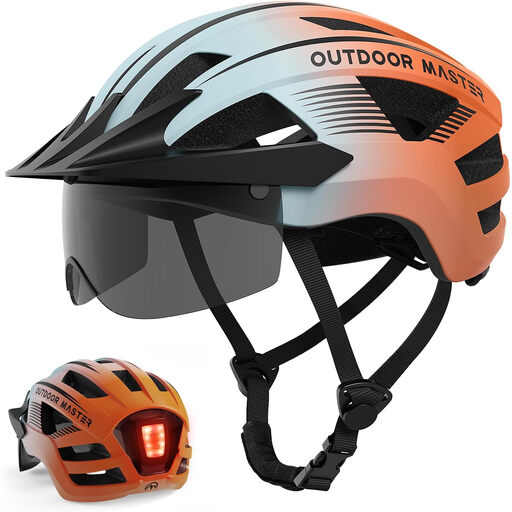
Why This Fits Their Persona: This commuter helmet with light is ideal for navigating UK city traffic. The integrated rechargeable rear light enhances visibility, while the magnetic goggles offer protection from wind, rain and grit without the need for separate eyewear.
It is purpose-built for commuting, avoiding the "wrong tool for the job" pitfall. Its dial-fit system ensures a secure fit, steering clear of the "one-size-fits-all" trap.
Features a Type-C rechargeable rear light and detachable magnetic goggles. Certified to CPSC and ASTM standards.
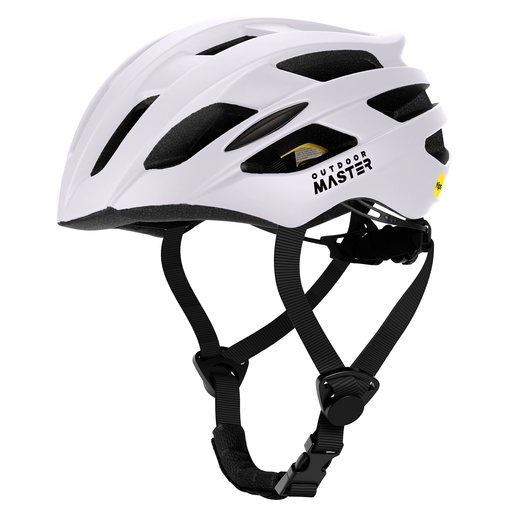
Why This Fits Their Persona: For the dedicated cyclist, performance is key. This helmet combines a lightweight, in-mould construction with 21 vents for superior airflow on long rides, and incorporates the MIPS system for advanced protection.
By including MIPS, it directly addresses the need for advanced rotational impact protection, avoiding the trap of dismissing such features as mere marketing.
Ultra-light design with MIPS technology. Features a shock-absorbing EPS foam core and a dial-fit system for a precise, comfortable fit.
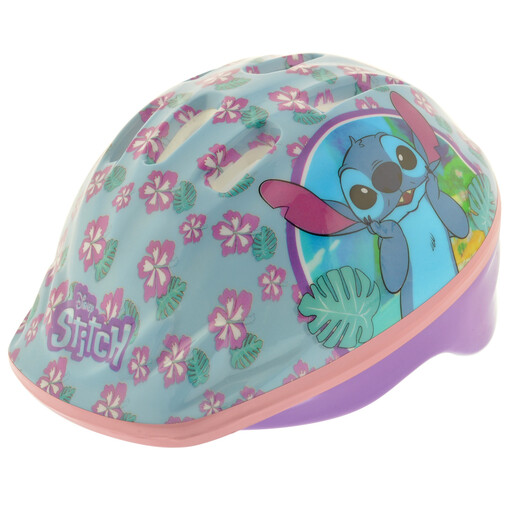
Why This Fits Their Persona: This kids bike helmet combines certified safety with a fun design that children will want to wear. The adjustable head fit system with a rear dial ensures it can be adapted to a growing child's head (48-52cm), providing a secure fit for cycling or scootering.
It features a proper dial-fit system, avoiding the dangerous "one-size" trap for children's gear. It is also safety tested with a durable EPS inner material.
Features an adjustable size dial and removable foam pads for a custom fit. The ventilated shell keeps heads cool during play.
While a helmet is the most critical piece of safety equipment, completing your kit with the right gear enhances comfort and performance. Quality men's sports apparel, like a breathable tee, helps manage sweat during intense activity. For off-duty style and sun protection, a well-made adjustable baseball cap is a versatile accessory.
We have compiled a complete, real-time list of products that fully satisfy these strict selection criteria and UK safety regulations.
1. How often should I replace my cycling helmet? The general recommendation is to replace your helmet every 3-5 years, as the materials can degrade over time due to exposure to UV light and sweat. Crucially, you must replace it immediately after any crash or significant impact, even if there is no visible damage. The protective foam core can be compromised without any outward signs.
2. Can I use a ski helmet for cycling? It is not advisable. A ski helmet is certified to standard EN 1077 and is designed for cold-weather insulation and the types of impacts common in snow sports. A road cycling helmet is certified to EN 1078, prioritising light weight and ventilation for warmer conditions and different aerodynamic needs. Always use a helmet designed and certified for your specific activity.
3. How do I know if my helmet fits correctly? A well-fitted helmet should be snug, level and stable. It should sit low on your forehead, about one to two fingers' width above your eyebrows. When you shake your head, the helmet should not move more than an inch in any direction. Finally, the 'Y' of the side straps should meet just below your ear, and the chin strap should be buckled securely.
Choosing the right helmet is a straightforward process when you know what to look for. By prioritising fit, certification and activity-specific design, you can invest in protection that you can rely on.
Joybuy Product Recommendation Officer