
24/7 Customer Support

Free returns

Same-day & Next-day Delivery

Quality Guaranteed

Unlock Your Welcome Offers: FREE Delivery | Up to 80% OFF | Free 30-day JoyPlus trial
Download the APP
Choosing cycling and motorcycle gear can seem straightforward until you compare padding, protective shells, ventilation, sizing and safety markings. Marketing often focuses on eye-catching features while overlooking the details that determine whether equipment remains comfortable and useful after regular use.
For UK riders, the right choice depends on where and how you ride. A commuter needs visibility and weather resistance, while a mountain biker may prioritise grip, impact coverage and freedom of movement. Motorcycle equipment also has different legal and protective requirements from ordinary bicycle clothing.
Padded cycling leggings and cycling shorts are designed mainly to improve comfort on the saddle. Their chamois padding does not replace protective armour. Conversely, motorcycle protective trousers use hard shells and foam padding for coverage around areas such as the hips, thighs and knees, but may feel bulky for a daily road cyclist.
Always distinguish between:
Reflective details, LED lights, anti-fog coatings and UV protection can be useful, but they do not make a product suitable for every riding environment. A bicycle helmet with lights is not intended for motor vehicle use, and motocross goggles are designed for off-road riding rather than direct solar viewing.
Check the stated use, warnings and product specifications rather than relying on promotional wording.
Sizing varies between manufacturers and product types. A loose pair of riding gloves may slip during a fall, while overly tight padded cycling shorts can cause discomfort. Protective trousers must also hold the armour over the correct body areas when you bend your knees or sit on a bike.
Measure your waist, hips, inseam, palm and head circumference where relevant. For helmets, use the adjustment dial after measuring rather than choosing based only on your usual hat size.
For bicycle helmets, look for clearly stated safety standards and follow the manufacturer’s fitting instructions. The DKONI HS-158 listing states CPSC, CE and ASTM certification, with EPS foam lining and an adjustable fit system. It also clearly warns that the helmet is not intended for motor vehicle use.
Motorcycle riders should select a helmet that meets the legal requirements for use on UK roads. Motorcycle protective trousers, riding gloves and other motorcycle PPE should include clear information about their intended protection and any relevant conformity markings. A product described as “impact resistant” should not automatically be treated as certified motorcycle protective equipment.
Protection only works as intended when it stays in position. Check:
For mountain biking, MTB protection gear should balance coverage with ventilation. For commuting, a lighter design may be more practical if it can be worn consistently.
The UK’s changing weather makes fabric performance important. Moisture-wicking cycling shorts can help manage sweat, while splashproof cycling backpacks protect everyday items from light rain. However, “water-resistant” does not necessarily mean waterproof in prolonged heavy rain.
Also check cleaning instructions. Removable helmet liners, hand-wash-only armour and air-drying requirements can affect long-term convenience. Replace a bicycle helmet after a significant impact, even if there is no obvious external damage.
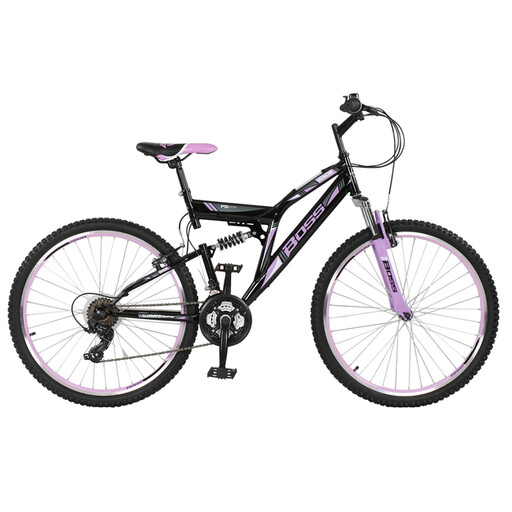
Why This Fits Their Persona: A practical starting point for casual off-road paths, general riding and riders seeking a complete mountain bike setup without equipment intended for extreme downhill use.
The listing states its limits clearly: it is not suitable for downhill mountain biking, heavy drops or extreme BMX riding, helping buyers match expectations to use.
18-inch frame, 21-speed gears, 26-inch tyres, suspension forks and V-brakes. Assembly is required.
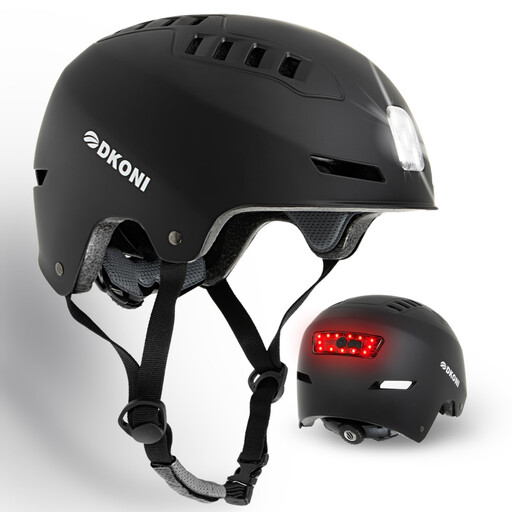
Why This Fits Their Persona: Suits urban commuters who want an adjustable bicycle helmet with integrated visibility features for darker mornings and evenings.
Its stated head range, adjustment dial and safety warning make it easier to avoid buying a helmet for the wrong activity or size.
EPS inner lining, removable washable lining, 20 ventilation holes, USB-rechargeable front light and four rear light modes.
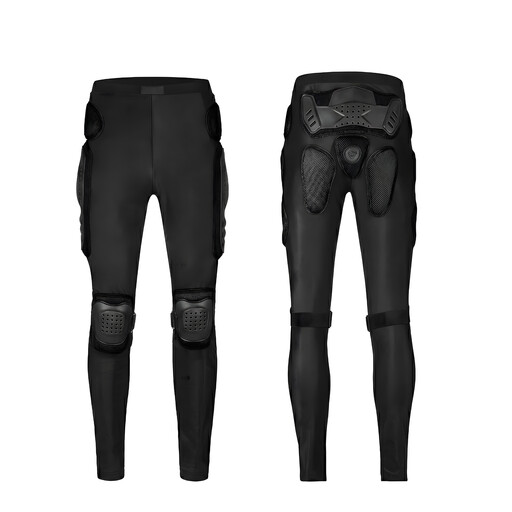
Why This Fits Their Persona: Designed for motocross, dirt-bike, MTB and other outdoor activities where hip, thigh and knee coverage is a priority.
The product specifies the protective areas, materials and fitting method. Riders should still align each shell correctly and secure every fastening before use.
PP hard shells, EVA foam, breathable mesh and stretch panels. The protectors can be removed before hand washing.
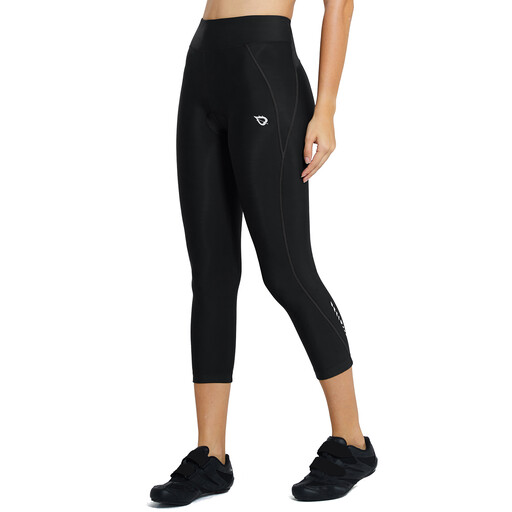
Why This Fits Their Persona: A suitable clothing layer for regular leisure rides, fitness cycling and riders who prefer more leg coverage than short cycling shorts.
The listing separates comfort features from protective equipment and identifies the padding as a multi-density 3D gel chamois.
High wide waistband, silicone leg grippers, quick-dry moisture-wicking fabric, reflective details and a zipped rear pocket.
Other useful additions include motocross goggles with suitable lens options, full-finger riding gloves with correctly positioned knuckle protection and cycling backpacks with splash-resistant compartments. Match every item to the activity rather than treating one product as universal bike safety equipment.
We have compiled a complete, real-time list of products that fully satisfy these strict selection criteria and UK safety regulations.
Start with activity-appropriate essentials: a correctly fitted bicycle helmet for cycling, certified motorcycle helmet and protective clothing for motorcycling, suitable gloves and weather-appropriate visibility equipment. Add padded cycling shorts or leggings for comfort rather than assuming padding provides impact protection.
Replace a bicycle helmet after a significant crash or impact, or when the shell, straps or adjustment system is damaged. Inspect riding gloves, goggles and motorcycle protective trousers before each use. Replace items if shells are cracked, padding is deformed, fasteners no longer hold or lenses are badly scratched.
Not necessarily. A higher price may reflect materials, brand positioning or extra features that are irrelevant to your route. Compare measurable details such as head circumference range, protective coverage, safety markings, fabric construction, waterproofing level and care requirements before deciding.