
24/7 Customer Support

Free returns

Same-day & Next-day Delivery

Quality Guaranteed

Unlock Your Welcome Offers: FREE Delivery | Up to 80% OFF | Free 30-day JoyPlus trial
Download the APP
Whether you're commuting through city streets, enjoying a weekend ride or mastering tricks at the skatepark, having the right equipment is essential. However, the market for cycling and skate gear is filled with marketing jargon and products that look the part but fail to deliver on safety and durability. As a UK-based rider or skater, knowing what to look for can save you money and, more importantly, keep you safe.
This guide cuts through the jargon, highlighting common purchasing pitfalls and focusing on the key features that truly matter. We will break down what makes for reliable gear, helping you make an informed choice for your needs.
Many shoppers are drawn in by impressive-looking features that offer little practical benefit. Here are three frequent traps to be aware of when buying cycling and skate accessories.
To avoid these traps, focus on a few non-negotiable parameters. Understanding these will empower you to assess a product's true quality beyond its marketing.
A helmet's primary job is to protect your head. For cycling and skating in the UK and Europe, look for the EN 1078 certification. This standard ensures the helmet has passed tests for impact absorption, construction and field of vision. A quality multi-sport helmet typically features:
When choosing a bicycle lock, look past the plastic housing. Key features include:
For accessories like a waterproof bike bag or phone case, the details matter. Check for high-denier fabrics (like nylon or polyester) or fully waterproof materials like PVC. The construction is just as important; look for welded or taped seams and roll-top closures, which create a much more effective barrier against water than a standard zip.
We have matched some products from our collection to specific user needs, demonstrating how to apply the principles discussed above.
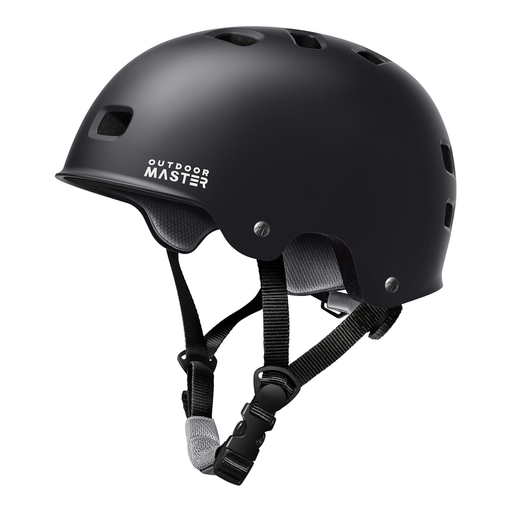
Why This Fits Their Persona: Ideal for the adult who enjoys cycling, skateboarding and scootering. This helmet is designed for versatility without compromising on protection, featuring a smooth ventilation system for comfort during various activities.
It directly counters the "one-size-fits-most" pitfall with a dual-adjustment system. The rear dial and adjustable chin strap, combined with two removable liners of different thicknesses, ensure a genuinely secure and customised fit.
Features a reinforced ABS shell and a thickened EPS foam core, providing robust impact resistance suitable for a range of sports from BMX to rollerblading.
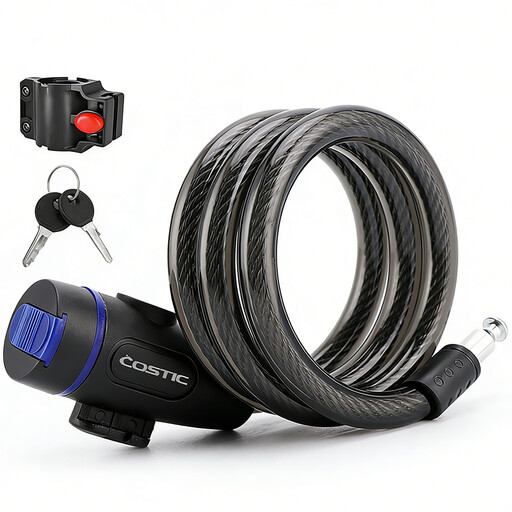
Why This Fits Their Persona: A practical choice for daily commuters in UK towns and cities. Its 1200mm length is ample for securing the frame and a wheel to a bike rack, while the included mounting bracket makes it easy to carry without a bag.
This lock avoids the "security theatre" pitfall by specifying its construction: a 12mm thickened steel cable and a zinc alloy lock cylinder. The focus is on the quality of the core components, not just a bulky plastic exterior.
The outer PVC coating protects the bike's paintwork from scratches and resists corrosion, ensuring the lock remains functional and looking good through wet British weather.
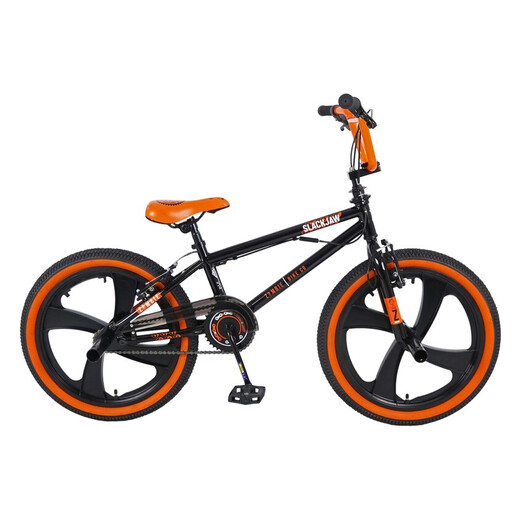
Why This Fits Their Persona: This BMX bike is built for those looking to get into stunts and tricks. It's not just a small bike; it's equipped with specific features for the sport, making it a great starting point for aspiring riders at the local park or pump track.
It avoids the trap of being a "BMX-style" bike with no real performance features. This model includes a functional 360-degree bar spin gyro and both front and rear stunt pegs, components essential for performing tricks.
The durable hi-tensile steel frame is designed to withstand the demands of everyday riding and entry-level stunts, offering a solid foundation for riders to build their skills.
We have compiled a complete, real-time list of products that fully satisfy these strict selection criteria and UK safety regulations.
Here are answers to a few common questions about selecting and maintaining your gear.
Finding the correct helmet size is crucial for safety. To measure your head, use a soft tape measure and wrap it around the largest part of your head, typically about one inch (2.5cm) above your eyebrows. Note the measurement in centimetres. Compare this measurement to the manufacturer's sizing chart (e.g., Small: 52-55cm, Medium: 55-58cm). Once you have the helmet, put it on and use the rear adjustment dial to achieve a snug but comfortable fit. The helmet should not rock back and forth or side to side.
You should replace your helmet immediately after any significant crash or impact, even if there is no visible damage. The internal EPS foam is designed for a single impact, and its protective structure can be compromised without any outward signs. Additionally, materials degrade over time due to exposure to sweat and UV light. It is generally recommended to replace a helmet every 5 to 10 years, depending on usage and manufacturer guidance.
The level of security you need depends on your location. A high-quality, thick cable lock provides a good level of deterrence against opportunistic theft and is convenient for quick stops in lower-risk areas. For securing a bike for extended periods in high-risk urban centres like London or Manchester, many cyclists opt for a dual-lock strategy: using a robust D-lock to secure the frame to an immovable object and a separate cable lock to secure the wheels to the frame.