
24/7 Customer Support

Free returns

Same-day & Next-day Delivery

Quality Guaranteed

Unlock Your Welcome Offers: FREE Delivery | Up to 80% OFF | Free 30-day JoyPlus trial
Download the APP
For dedicated cyclists, the appeal of integrating technology into a ride is undeniable. The promise of seamless navigation, instant performance metrics and hands-free recording without cluttering your handlebars is compelling. However, the market for cycling smart glasses is filled with devices that often over-promise and under-deliver. Before you invest, it's crucial to understand the common pitfalls that can lead to disappointment and wasted money.
As the Joybuy Product Recommendation Officer, my role is to help you see past the marketing jargon. Here are the key issues to watch for.
AR cycling glasses but feature little more than a basic digital ticker in the corner of your eye. This can be more distracting than helpful, forcing you to refocus constantly. A true heads-up display should feel intuitive, not intrusive.smart sunglasses with camera that also runs navigation and audio can drain its power far quicker than advertised. There is little more frustrating than your expensive tech becoming dead weight halfway through a long-planned route.To make a worthwhile investment, focus on the specifications that directly impact your riding experience. Ignore the jargon and concentrate on these three non-negotiable areas.
The core of any sports smart glasses is the display. Not all are created equal.
A feature is only useful if it's available when you need it.
heads-up display for cycling, a realistic expectation for continuous, heavy use is closer to 3-5 hours.bike navigation glasses.Your gear needs to withstand the rigours of the road and the unpredictability of British weather.
Based on these practical criteria, here are some options tailored to different types of cyclists.

Why This Fits Their Persona: This is for the performance-driven cyclist who wants every piece of data and functionality—AR navigation, real-time metrics, 4K ride recording and hands-free calls—integrated into a single, streamlined device.
It features a binocular waveguide display for a true AR experience, not a simple ticker. It also has a realistic battery specification and an IPX4 rating, addressing the common pitfalls of poor display tech and durability.
The combination of a 120° wide-angle 4K camera and a genuine AR heads-up display in one unit is its main strength. It is also compatible with prescription lens inserts.

Why This Fits Their Persona: For the cyclist who wants music, podcasts or calls without sacrificing situational awareness. This is a modular approach for those who find integrated audio in glasses cumbersome or want a more focused audio solution.
It avoids the comfort compromise of some all-in-one glasses. The lightweight, semi-in-ear design provides an open-ear audio experience, letting you hear traffic and your surroundings clearly without bulky hardware on your head.
Extremely lightweight at only 3.5g per earbud. The IPX5 water resistance rating means they are well-protected against sweat and rain, making them a reliable companion for tough workouts.
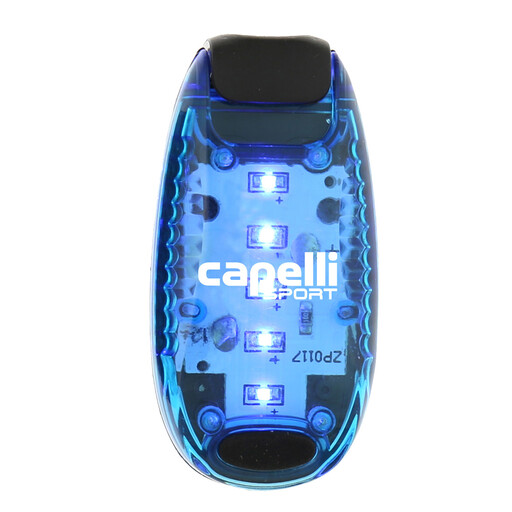
Why This Fits Their Persona: This is for the urban commuter or night rider whose absolute priority is being seen. It's a simple, effective solution focused entirely on visibility and safety, especially in low-light conditions.
It sidesteps the complexity and cost of smart glasses by focusing on a single, critical function. It's a no-nonsense safety device that doesn't require charging every day or a connection to your phone.
Features five bright LEDs with three different light modes for tailored visibility. The versatile clip and hook-and-loop strap allow it to be attached to clothing, a backpack or a helmet.
We have compiled a complete, real-time list of products that fully satisfy these strict selection criteria and UK safety regulations.
1. Are cycling smart glasses legal to use on UK roads? Yes, they are legal to use. However, similar to using a satellite navigation device, you must always be in full control of your bicycle. The technology should assist, not distract. If a device impairs your vision or diverts your attention from the road, it could be considered unsafe.
2. Can I get prescription lenses for AR cycling glasses? This depends on the model. Some higher-end AR cycling glasses, including the LAWK ONE mentioned above, are designed with this in mind. They typically come with a removable inner frame (an insert) that you can take to an optician to be fitted with your specific prescription lenses. Always check the product specifications for "prescription lens compatible" or "RX insert" before buying.
3. How long do the batteries really last on sports smart glasses? Battery life varies significantly based on which features you use. A manufacturer's claim of 8 hours might refer to audio playback only. If you are actively using the heads-up display for cycling, GPS navigation and recording video with the camera simultaneously, you can expect the battery to last for a much shorter period, typically in the range of 3 to 5 hours. It is always wise to plan for shorter battery life on long rides or carry a portable power bank for recharging.