Long-ride cyclists planning pocket food
Individually wrapped bars make it possible to count and pack portions against a planned carbohydrate intake. British Cycling advises planning what goes in your pockets or pack before setting off.


For a longer ride, choose snack-bar portions by their carbohydrate content and your ride plan, then consider whether you can carry and eat them safely. A protein-led bar may suit a different snacking priority, while dietary claims, allergens and nutrition figures need checking on the exact flavour and pack.
Individually wrapped bars make it possible to count and pack portions against a planned carbohydrate intake. British Cycling advises planning what goes in your pockets or pack before setting off.
Single portions can be convenient to carry, but the wrapper and storage spot matter too. Choose food you can access when stopped or when eating will not compromise control of the bike, and keep the empty wrapper with you.
Check the ingredients, allergen statements and dietary claims on the exact flavour and multipack you intend to carry. A claim about one bar or product range does not establish the ingredients of another.
Start with the bar’s purpose on your ride, then check the labelled portion, the pack and whether the ingredients suit you.
| Priority | What to check | Your needs |
|---|---|---|
| Carbohydrate per portion | Read the carbohydrate figure for one bar or the stated serving, and check how many bars that serving contains. British Cycling gives 0.5–1 g carbohydrate per kg bodyweight per hour as guidance for big ride days. | For a long ride, I want to know how many portions fit my food plan rather than treating one bar as a complete feed. |
| Pack and wrapper | Check the number of individually wrapped portions and where they will fit. British Cycling recommends planning pocket access and choosing packaging that is manageable on the bike. | I want food I can find easily, eat without compromising control and carry away afterwards without leaving the wrapper behind. |
| Nutrition beyond the front label | Compare carbohydrate, protein, sugars and saturated fat using the same serving basis. A protein or fibre claim does not tell you the carbohydrate amount. | If I am buying a bar mainly as an everyday snack, I may weigh different label details than I would for planned on-bike food. |
| Ingredients and dietary claims | Read the exact pack’s ingredient list, highlighted allergens and any ‘may contain’ statement. Check whether a gluten-free, dairy-free or vegan claim applies to that variant. | I need a flavour and pack that meet my own dietary requirements; the brand name alone is not enough to decide. |
‘Protein’, ‘natural’ and ‘high fibre’ describe different attributes; none states how much carbohydrate a portion contributes to a ride plan.
Compare the nutrition panels of the exact bars you are considering, using their labelled serving sizes.
For a big ride day, British Cycling’s carbohydrate guidance concerns intake across each hour. One bar may account for only part of that plan, and food does not replace a plan for drinks.
Work out portions before leaving and consider how you will carry both food and fluids.
Food is less useful in practice if retrieving or opening it would compromise control of the bike.
Arrange pockets or bags before departure. Stop to eat whenever handling a bar while moving would be unsafe, and retain the wrapper.
Ingredients and allergen statements can differ between flavours and formats, even under the same brand.
Check the current pack each time you switch flavour or multipack, including its ingredient list and precautionary allergen wording.
These examples illustrate different bar formats; a brand reference does not establish the ingredients or nutrition of every product it makes.
Graze sells oat-based flapjacks alongside other snack formats.
Nature Valley offers both crunchy cereal bars and a separate protein-bar format.
Alpen Fruit & Nut is a cereal-bar example for shoppers comparing individual ride-food portions.
Eat Natural’s Dark Chocolate & Peanut Protein Bar is a protein-positioned snack-bar example.
nākd. describes its fruit-and-nut bars as suitable for vegan, gluten-free, wheat-free and dairy-free diets.
TREK sells plant-based protein-bar and flapjack formats.
These grab-bag options include oat flapjacks and fruit-and-nut bars. Compare each pack’s labelled portions and ingredients with the way you intend to use it.
 No image available
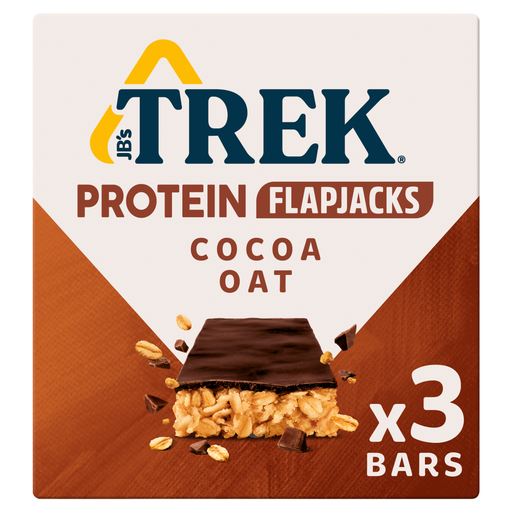
A protein-flapjack option for comparing snack and ride-food portions. The pack contains three 50g bars; check carbohydrate and allergens on the exact pack.
 No image available
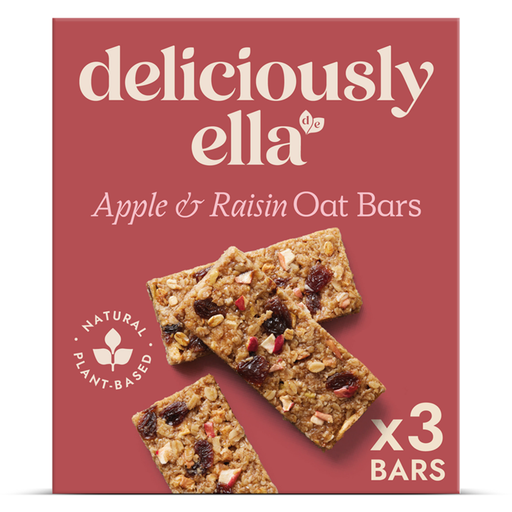
Another protein-flapjack format to compare if you want oat-based bars. The pack contains three 50g bars; use the exact label to assess carbohydrate and dietary suitability.
 No image available
For a ride bag where an oat bar appeals, compare the carbohydrate listed for one bar with your planned portions. This pack contains three 50g bars.
 No image available
A fruit-and-nut format for comparing smaller individual portions. The pack contains four 35g bars; check the exact variant’s ingredients and carbohydrate figure.
 No image available
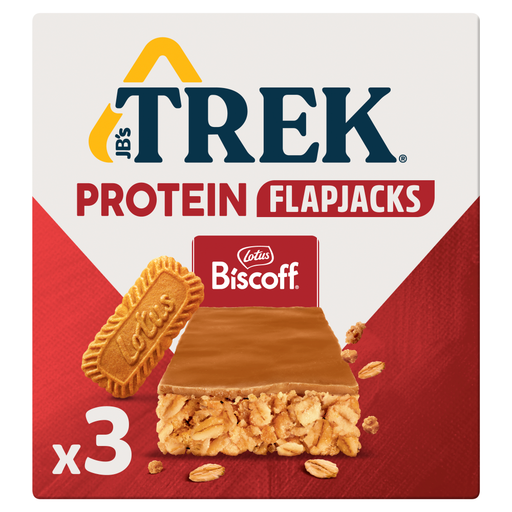
A flapjack option in a pack of three 50g bars. Check the pack’s carbohydrate figure if planning ride portions, and read its ingredients before relying on a dietary claim from another TREK product.
No. British Cycling says rides up to about 90 minutes generally should not require additional fuel, while its big-ride guidance addresses carbohydrate intake during long training days and sportives. Consider the ride and your usual food routine before packing bars automatically.
Use carbohydrate per labelled serving and check whether that serving is one bar or more. Nature Valley UK, for example, lists 27.0 g carbohydrate for two Crunchy Variety bars weighing 42 g together; Weetabix Cereals lists 19 g for one 28 g Alpen Fruit & Nut bar. Count the portions you intend to carry rather than the number of bars printed on the outer pack.
Not automatically: protein positioning does not specify how much carbohydrate a bar contains. For planned on-bike food, compare carbohydrate per portion with your ride plan; if you want a snack for another occasion, compare the nutrition details relevant to that choice.
Plan where the bar and its empty wrapper will go before setting off. British Cycling recommends preparing pocket access and using manageable packaging; stop to open or eat food if doing so while moving would compromise control, and keep the wrapper until you reach a bin.
No. A dietary statement may concern a particular range or product: nākd., for example, describes its fruit-and-nut bars as vegan, gluten-free, wheat-free and dairy-free. Check the current ingredients, allergens and claims on the exact flavour and pack you are buying.