Cyclists planning longer rides
If you are planning fluid and carbohydrate intake across a prolonged ride, several ready-to-drink portions or bottles prepared from powder let you decide what to carry and what to leave for a refill.


For rides under an hour, the American College of Sports Medicine’s 1996 position stand found little evidence of a performance difference between water and carbohydrate-electrolyte drinks; a 1999 review in Clinics in Sports Medicine describes water as sufficient for fluid replacement during exercise under 90 minutes. If you want roughly 2 litres of sports drink across a longer ride or training day, a four-pack of 500ml bottles gives you ready-to-drink portions, while powder lets you prepare separate bottles to its mixing directions. A 2-litre total is not necessarily one bottle you can carry on your bike.
The useful distinction is between a drink for one outing and a total quantity to portion across a longer ride or training day.
If you are planning fluid and carbohydrate intake across a prolonged ride, several ready-to-drink portions or bottles prepared from powder let you decide what to carry and what to leave for a refill.
A 4 × 500ml multipack gives you 2 litres in separate bottles without mixing. Tesco Groceries and Sainsbury’s Groceries list this format for selected sports drinks; it is not a single 2-litre bottle.
If you do not need carbohydrate during the ride, water may cover your fluid-replacement needs. A 1999 review in Clinics in Sports Medicine describes water alone as sufficient for exercise lasting less than 90 minutes; duration and individual needs still matter.
Decide whether you need carbohydrate during the ride, then check whether the stated 2 litres comes as separate bottles or as a drink you must prepare.
| Priority | What to check | Your needs |
|---|---|---|
| Ride duration | Check how long you expect to ride and whether carbohydrate is part of your fuelling plan. The American College of Sports Medicine’s 1996 position stand found little evidence of a performance difference between water and carbohydrate-electrolyte drinks during exercise under an hour; a 1999 Clinics in Sports Medicine review describes water as sufficient for fluid replacement under 90 minutes. | For a short ride, I may only need water. On a prolonged ride, I want to decide separately whether a carbohydrate-electrolyte drink fits my plan. |
| Bottle or pack size | Check the volume of each bottle as well as the pack total, then check how you will carry or refill it. Tesco Groceries and Sainsbury’s Groceries list 4 × 500ml sports-drink packs: four bottles total 2 litres. | I want separate portions for ride stops, another rider or later use, rather than assuming the full 2 litres will fit in one on-bike container. |
| Mixing directions | Check the powder dose and water volume for the exact product, and measure each serving. Science in Sport specifies 40g of GO Electrolyte powder in 500ml water for the formulation described. | If I prepare several bottles, I want each one mixed to the product’s directions instead of guessing how much powder belongs in a large container. |
| Sugar and nutrition label | Check carbohydrate and sugars on the exact product label, using the same per-100ml or per-serving basis when comparing drinks. The NHS advises against having high-sugar drinks too often because of their calorie content and potential effect on teeth. | Outside a ride that calls for carbohydrate, I would rather choose a drink based on what I need at the time than treat a large sports-drink pack as routine hydration. |
Four 500ml bottles total 2 litres, but require a different carrying or storage arrangement from a single container.
Check whether you want individual ready-to-drink portions, a supply kept at home or drink prepared for refills.
For exercise under an hour, the American College of Sports Medicine’s 1996 position stand found little evidence of a performance difference between water and carbohydrate-electrolyte drinks.
Consider ride duration and your fuelling needs before choosing the drink, rather than buying a large volume solely because it is labelled for sport.
Changing the amount of powder or water changes the drink you intended to prepare.
Follow the directions for the exact formulation. Science in Sport specifies 40g of GO Electrolyte powder in 500ml water for the product described.
The NHS advises against having high-sugar drinks too often, citing calories and potential damage to teeth.
Check the sugars on the label and use the drink’s carbohydrate content when it serves a defined ride-fuelling purpose; consider water for routine hydration.
These brand examples show how ready-to-drink packs and mixes differ; a brand’s formats and nutrition can vary by product.
Tesco Groceries and Sainsbury’s Groceries list selected Lucozade Sport drinks in 500ml bottles and 4 × 500ml packs, alongside some larger individual bottles.
Tesco Groceries and Sainsbury’s Groceries list selected Powerade sports drinks in 4 × 500ml packs.
Science in Sport’s GO Electrolyte is a powder mixed with water, offering a preparation route rather than ready-to-drink bottles.
Gatorade UK describes 13.5g carbohydrate-and-electrolyte drink-mix sachets, an option for preparing a drink with water.
These are 500ml ready-to-drink bottles: a four-pack totalling 2 litres, followed by larger multipacks that can be portioned across more than one outing.
 Image unavailable
Four separate ready-to-drink portions provide 2 litres in total. This is not one 2-litre bottle; check the bottle dimensions against your bike’s bottle cage or other carrying arrangement.
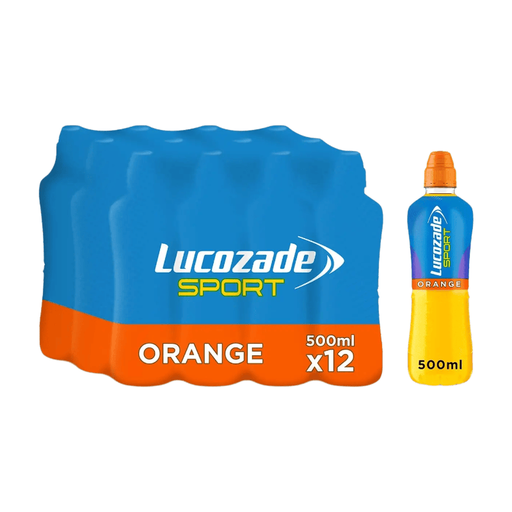 Image unavailable
The twelve ready-to-drink bottles can be divided between outings or riders. At 6 litres in total, this pack is larger than a 2-litre purchase; check how you would carry any bottles taken on a ride.
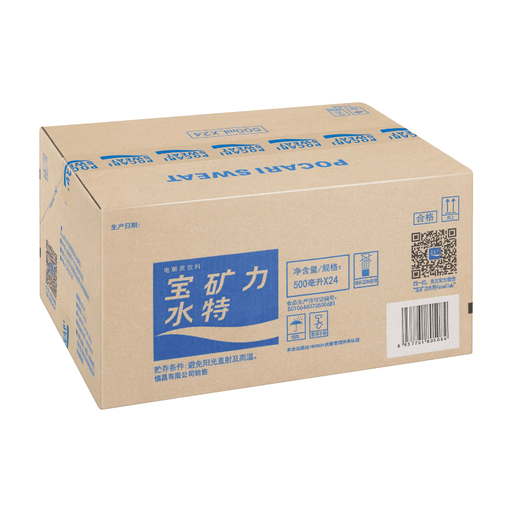 Image unavailable
The 500ml ready-to-drink portions can be set aside for separate uses without mixing. Twenty-four bottles total 12 litres, well beyond a 2-litre supply; check bottle dimensions and your carrying arrangement before taking one on the bike.
Do not assume it will fit your bottle cage. Check the dimensions of the bottle you intend to carry and the capacity of your cage, bag or refill arrangement. Tesco Groceries and Sainsbury’s Groceries list selected sports drinks as individual 500ml bottles or 4 × 500ml packs, which provide 2 litres across four containers.
Consider whether the ride calls for carbohydrate as well as fluid. The American College of Sports Medicine’s 1996 position stand found little evidence of a performance difference between water and carbohydrate-electrolyte drinks for exercise under an hour. A 1999 review in Clinics in Sports Medicine describes water as sufficient for fluid replacement under 90 minutes and says carbohydrate-electrolyte drinks should be considered for longer exercise.
Yes, as four separately measured 500ml servings: Science in Sport’s directions for the formulation described specify 40g of powder in 500ml water per serving. Follow the exact pack directions and use containers you can carry and clean.
It depends on when you intend to drink it and what the exact product contains. The NHS recommends water for hydration and advises against having high-sugar drinks too often because of their calorie content and potential effect on teeth. Check the sugars on the label, and distinguish routine drinking from carbohydrate intake planned for a ride.