Endurance cyclists planning on-bike fuel
If your bottle needs to contribute carbohydrate during a long or demanding ride, distinguish a carbohydrate-electrolyte sports drink from a sparkling soft drink chosen for its flavour.


For a prolonged or demanding ride where your bottle forms part of your fuelling plan, choose by carbohydrate and sodium content rather than bubbles: a carbohydrate-electrolyte sports drink is the more relevant option. A sparkling zero-sugar drink serves a different purpose, while a sparkling drink containing glucose needs a full label check before you rely on it for cycling; try any unfamiliar drink in training.
If your bottle needs to contribute carbohydrate during a long or demanding ride, distinguish a carbohydrate-electrolyte sports drink from a sparkling soft drink chosen for its flavour.
Carbonation may be part of what you enjoy, but it does not tell you how much carbohydrate or sodium a drink contains. Try a sparkling option on training rides before making it part of an event plan.
If an unfamiliar drink or drinking pattern causes stomach discomfort on the bike, practise the product and serving pattern in training. British Cycling advises using training rides to learn which products and foods work for you.
Start with the drink’s role in your ride plan, then check its nutrition label and whether you can comfortably drink it while riding.
Consider it when: you want your bottle to contribute carbohydrate and sodium on a prolonged or demanding ride.
Trade-off: the Australian Institute of Sport says sports drinks are not needed at every training session.
Consider it when: you want a sparkling drink but do not need carbohydrate from the bottle.
Trade-off: zero sugar means it cannot supply the carbohydrate you would otherwise get from a carbohydrate-containing sports drink.
Consider it when: you want that type of soft drink and have checked how its label fits your ride plan.
Trade-off: containing glucose does not, by itself, establish a suitable sodium content or how you will tolerate the drink on the bike.
| Priority | What to check | Your needs |
|---|---|---|
| Ride fuelling | Read carbohydrate and sodium per 100 ml, then work out what a serving contributes alongside any food or gels. The Australian Institute of Sport describes a sports-drink composition range of 4–8 g carbohydrate and 23–69 mg sodium per 100 ml for fluid and fuel delivery. | On a demanding ride, I want to know what the bottle contributes to my fuelling plan, not rely on the word ‘energy’ on its label. |
| Carbonation | Check whether the drink is sparkling, then check its carbohydrate and sodium separately. Bubbles describe the format, not its nutrition profile. | I like a fizzy drink, but I may need to get carbohydrate from another part of my ride plan if the one I choose has no sugar. |
| Drinking comfort | Try the exact drink, amount and drinking pattern during training. British Cycling recommends learning which products work for you on the bike. | For an event, I would rather use a familiar drink than discover during the ride that a new one does not agree with me. |
| Everyday use | Consider the ride and the carbohydrate you already plan to take from food or other drinks. The Australian Institute of Sport notes that a sports drink is not needed at every training session. | For a shorter or easier outing, I do not want to assume that every bottle needs to contain carbohydrate. |
| Ingredients | Read the current pack’s ingredients and warnings, particularly when changing flavour or variant. | If an ingredient or sweetener matters to me, I need to check the drink I am actually taking rather than rely on the range name. |
A sparkling zero-sugar drink will not contribute carbohydrate from the bottle. A sparkling drink containing glucose still needs a sodium and carbohydrate label check before it takes a role in your fuelling plan.
Compare the amounts per 100 ml and per serving; treat carbonation as a preference to test, not proof that a drink suits endurance cycling.
The Australian Institute of Sport says sports drinks are not needed at every training session. Your bottle is only one part of what you drink and eat on a ride.
Match it to the demands of the session and the carbohydrate you plan to take from other sources.
A new flavour, concentration or carbonated option may not suit your usual drinking pattern while riding.
Use training rides to practise the product, serving size and frequency of drinking. British Cycling recommends finding out what works for you before relying on it on the bike.
Flavours and variants can have different ingredients or warnings, so a familiar brand name is not enough for someone checking a particular ingredient.
Read the current pack before use, especially when trying a different flavour or variant.
A ready-to-drink carbohydrate-containing sports-drink range to consider when the bottle is part of a cycling fuelling plan.
A sparkling soft-drink range for shoppers who want flavour and bubbles without relying on the drink for carbohydrate.
Gatorade UK describes a powder option mixed when needed, rather than a sparkling ready-to-drink option in this comparison.
These options include a carbonated isotonic drink, drinks to assess for carbohydrate-based ride plans, and sparkling soft-drink alternatives. Compare each one by its own label and intended role rather than treating the whole list as interchangeable cycling fuel.
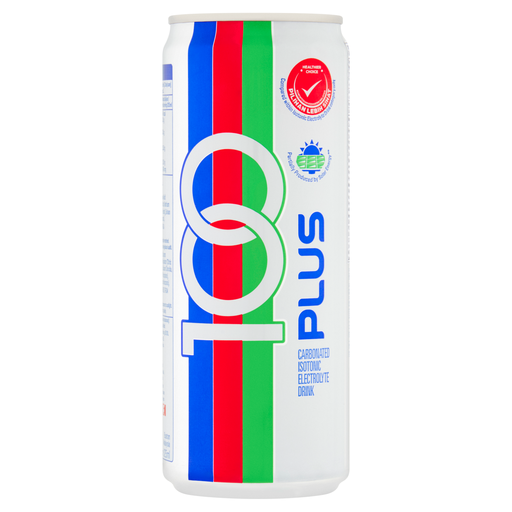 Image unavailable
This carbonated isotonic drink is an option to examine if you want bubbles alongside a drink intended for sport. The listed variant is a 325 ml halal drink; check carbohydrate and sodium on the pack against your ride plan, and try carbonation in training before relying on it during an event.
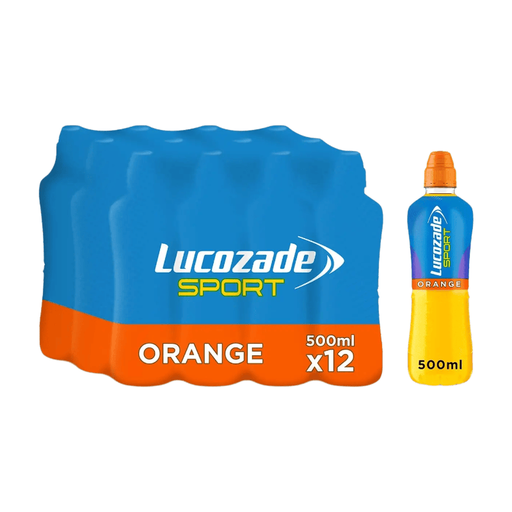 Image unavailable
This still sports drink is the comparison option if you want your bottle to contribute carbohydrate during a prolonged ride rather than satisfy a preference for bubbles. The pack contains twelve 500 ml bottles; Tesco Groceries lists approximately 16 g carbohydrate per 250 ml for Lucozade Sport Orange. Check the current pack’s ingredients and warnings, and practise your drinking pattern in training.
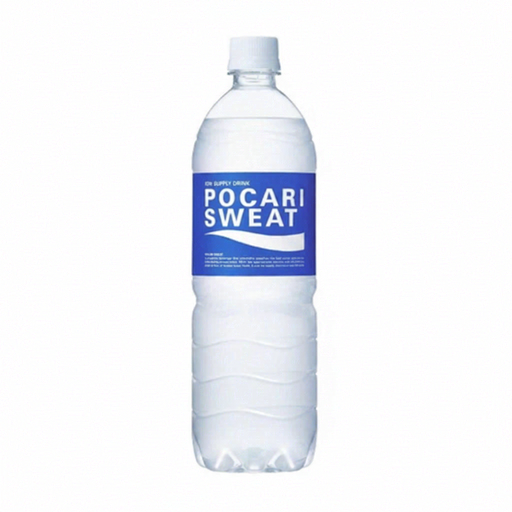 Image unavailable
This 900 ml drink is another option to assess when choosing what your bottle will contribute during a ride. Compare the pack’s carbohydrate and sodium amounts with your plan, confirm its carbonation status if bubbles matter to you, and try it in training before an event.
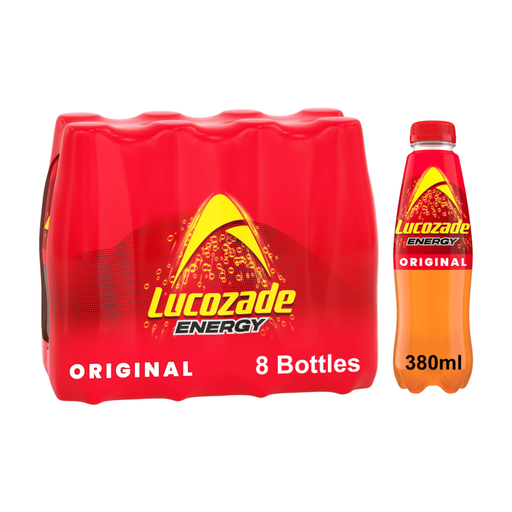 Image unavailable
This sparkling energy soft drink is distinct from choosing a carbohydrate-electrolyte sports drink for a fuelling plan. The pack contains eight 380 ml bottles; Lucozade describes its Energy range as sparkling and containing glucose. Check the particular bottle’s carbohydrate and sodium label before deciding what role it can play on a ride.
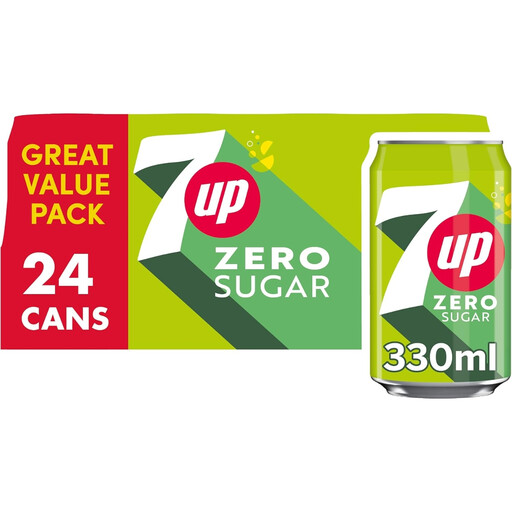 Image unavailable
This zero-sugar sparkling soft drink suits a different role from a bottle chosen to supply carbohydrate during cycling. The pack contains twenty-four 330 ml cans; if your ride plan calls for carbohydrate, account for it elsewhere, and test how you tolerate a fizzy drink while riding.
Not on the strength of its bubbles alone. Check carbohydrate and sodium per 100 ml: the Australian Institute of Sport describes 4–8 g carbohydrate and 23–69 mg sodium per 100 ml as a sports-drink composition range for fluid and fuel delivery.
It can fit when you want a sparkling drink and are not relying on that bottle for carbohydrate. If carbohydrate from your drink is part of the ride plan, a zero-sugar soft drink does not provide that contribution.
Use it on training rides before depending on it during an event. Try the product and your intended drinking pattern while riding; British Cycling advises learning which foods and drinks work for you on the bike.
Read the current physical pack’s ingredients and warnings for the exact flavour and variant you intend to drink. Do not assume that another product in the same range has an identical recipe.