
24/7 Customer Support

Free returns

Same-day & Next-day Delivery

Quality Guaranteed
Download the APP
Categories
Clear vision is non-negotiable when you are on two wheels. Whether you are navigating winding country lanes or tackling a technical trail, the right pair of cycling sunglasses does more than just shield your eyes from the sun. They protect you from wind, debris and road spray, all while reducing glare and eye fatigue. With so many features and styles available, choosing the right pair can feel overwhelming.
As a Joybuy Product Recommendation Officer, my role is to help you navigate the options. This guide breaks down the essential features to look for in a quality pair of cycling sunglasses and presents a few carefully selected recommendations to enhance your safety and performance on every ride.
Before diving into specific products, it is useful to understand the technology that sets performance eyewear apart. Focusing on these key areas will help you find a pair that suits your riding style and the typical UK conditions.
The lenses are the most critical component of your eyewear. The two most popular performance technologies are polarised and photochromic, each offering distinct advantages.
Regardless of the type, always ensure your glasses offer UV400 protection, which blocks 100% of harmful UVA and UVB rays.
A comfortable and secure fit is essential for performance. Look for frames made from lightweight yet durable materials.
Here are a few recommendations that balance performance, features and practicality for dedicated cyclists.
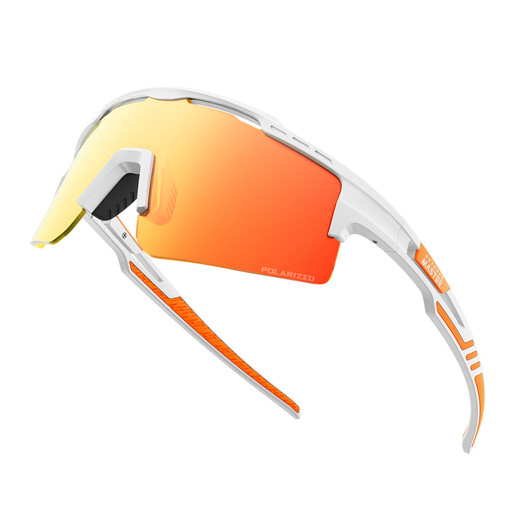
Why It Stands Out: The Hawk II is built for speed and clarity. Its polarised TAC lenses are highly effective at cutting through glare on bright days, while the aerodynamic, semi-rimless design provides an unobstructed field of view and minimises wind resistance.
Pros:
Who is it for? This pair is well-suited for road cyclists and performance riders who prioritise glare reduction and an aerodynamic profile for high-speed riding in sunny conditions.
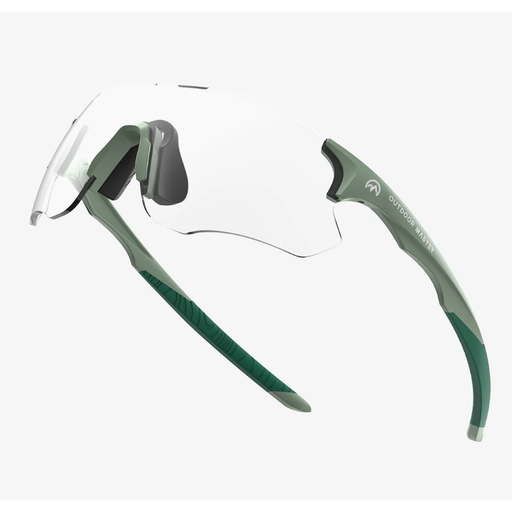
Why It Stands Out: The HawkSharp's key feature is its versatility. The photochromic HD lenses adapt seamlessly to changing light, transitioning from nearly clear (Cat.0) in low light to dark (Cat.3) in bright sun. This makes them a true one-pair solution for all-weather, all-day riding.
Pros:
Who is it for? Ideal for all-round cyclists, commuters and mountain bikers who ride in varied conditions and need eyewear that performs consistently as they move between sun and shade.
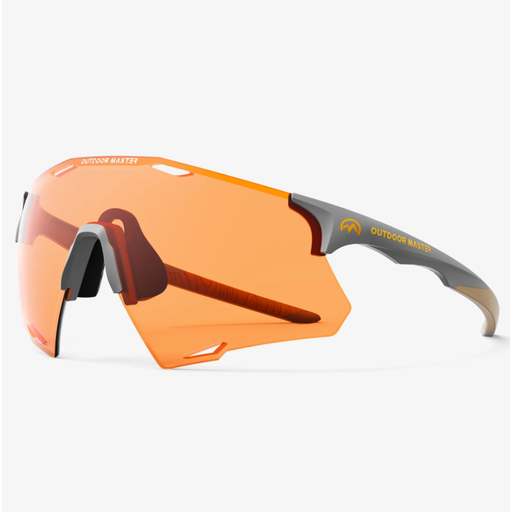
Why It Stands Out: Weighing just 25.5 grams, the LARK SV is engineered for those who demand performance without the weight. Its standout features are the ventilated lens design to combat fogging and the adjustable nose pads for a truly customised fit.
Pros:
Who is it for? An excellent choice for endurance athletes, multi-sport users and any cyclist who prioritises a lightweight feel and fog-free vision. The prescription frame compatibility also makes it a great option for glasses wearers.
These recommendations cover a range of needs, but every rider is unique. If you are looking for different styles, lens colours or features, there are many other choices available.
Explore our full collection of high-performance biking gear to find the perfect match for your cycling needs.
Yes, polarised cycling sunglasses are highly beneficial for reducing glare from wet roads, which can improve safety and reduce eye strain. However, some riders note they can make it harder to see information on digital screens (like a bike computer) or identify slick patches like ice.
While many models are versatile, road biking sunglasses often feature a more aerodynamic shape and a wide, unobstructed field of view for high-speed awareness. In contrast, mountain biking sunglasses typically prioritise impact resistance and a very secure fit to handle rough terrain, with lens tints that enhance contrast on trails.
A UV400 rating signifies that the lenses block nearly 100% of harmful UVA and UVB radiation. This is a crucial safety standard for anyone spending long hours outdoors, as it helps protect your eyes from cumulative sun damage.