
24/7 Customer Support

Free returns

Same-day & Next-day Delivery

Quality Guaranteed

Unlock Your Welcome Offers: FREE Delivery | Up to 80% OFF | Free 30-day JoyPlus trial
Download the APP
Whether you're navigating winding country lanes or tackling rugged trails, the right pair of cycling sunglasses is more than just an accessory; it's essential equipment. From the sudden glare off a wet road to unpredictable British weather and airborne debris, your eyes face numerous challenges. Choosing the right eyewear can significantly enhance your comfort, safety and performance.
This guide is designed to help you understand the key features of modern sports eyewear. We'll break down the technical jargon and highlight what truly matters, allowing you to select a pair of cycling sunglasses that fits your specific needs without the marketing hype.
With so many options available, focusing on a few core features will help you make a well-informed decision. Here are the key considerations for any cyclist in the UK.
The lens is the heart of any pair of sunglasses. The two most popular technologies for cyclists are polarised and photochromic, each offering distinct advantages.
Many high-performance glasses also offer full UV400 protection, which is a crucial safety standard. This ensures the lenses block 100% of harmful UVA and UVB rays, protecting your eyes during long hours outdoors.
A frame that slips, pinches or feels heavy can be a constant distraction. Modern sports sunglasses often use advanced materials to address this.
The shape of the sunglasses is also a functional element. A wraparound or shield-style design provides wider peripheral vision and better protection from wind, dust and insects. For high-intensity activities, look for models with integrated vents in the lenses or frame. This promotes airflow and helps prevent the lenses from fogging up when you stop at a junction or during a strenuous climb.
Based on features that deliver tangible benefits for cyclists, here are our standout selections.
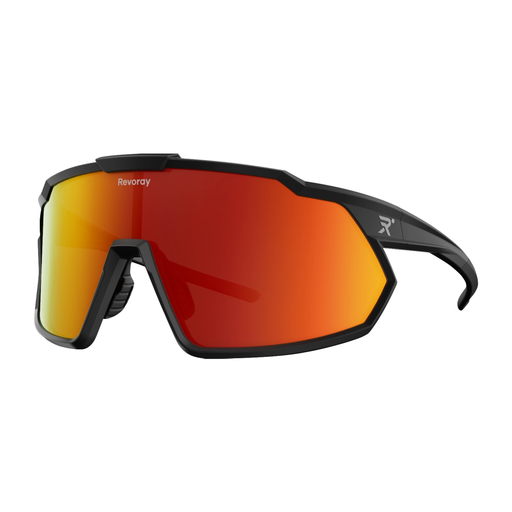
Why It Stands Out: The Revoray Y1 model focuses on delivering exceptional visual clarity and robust protection. Its HD TAC polarised lenses are highly effective at cutting through glare on bright days, making them a strong companion for road cycling. The glasses are also certified to the ANSI Z87.1 impact-resistance standard, offering a level of structural integrity suitable for demanding outdoor sports.
Pros:
Who is it for? Ideal for road cyclists and outdoor enthusiasts who frequently ride in bright, sunny conditions and prioritise glare reduction and impact protection.

Why It Stands Out: This pair offers a versatile two-in-one solution by combining photochromic and polarised technologies in a single lens. The HAWK LT adapts to changing light while simultaneously cutting glare, making it suitable for a wide range of conditions. Weighing between 26-29 g, it's exceptionally light and provides a wide field of vision.
Pros:
Who is it for? A great all-rounder for cyclists and runners who face varied light conditions on their routes, such as those who ride from dawn to day or move between open and shaded areas.
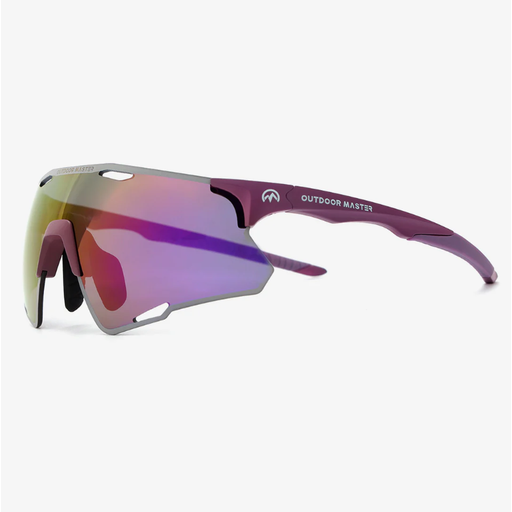
Why It Stands Out: The LARK SV is engineered for speed and comfort, with a focus on being incredibly lightweight and preventing fog. At just 25.5 g, it's one of the lighter options available. Its standout feature is the ventilated lens design, which helps maintain clear vision during intense efforts by reducing fog build-up.
Pros:
Who is it for? Perfect for competitive cyclists, runners and triathletes who prioritise a minimalist feel, a fog-free experience and a wide, unobstructed view.
If you haven't found the exact match for your needs or if you'd like to explore different styles and lens colours, there are many other excellent choices available.
Explore Our Full Range of Polarised Cycling Sunglasses
1. Are polarised sunglasses good for cycling? Yes, polarised sunglasses are generally excellent for cycling as they significantly reduce glare from reflective surfaces like wet roads, improving visibility and reducing eye fatigue. However, some riders note that they can make it harder to spot slick surfaces like ice or oil patches and they may interfere with viewing LCD screens on cycling computers.
2. What is the difference between photochromic and polarised lenses? Polarised lenses have a fixed tint and are designed specifically to filter out horizontal glare. Photochromic lenses, on the other hand, react to UV light, automatically changing their level of tint from light to dark depending on the brightness. Some advanced lenses, like those in the OutdoorMaster HAWK LT, combine both technologies.
3. What does UV400 protection mean on sunglasses? UV400 protection means the lenses are rated to block 99-100% of UVA and UVB radiation with wavelengths up to 400 nanometres. This is the highest level of protection for sunglasses and is considered essential for protecting your eyes from long-term damage caused by sun exposure during outdoor activities.