
24/7 Customer Support

Free returns

Same-day & Next-day Delivery

Quality Guaranteed

Unlock Your Welcome Offers: FREE Delivery | Up to 80% OFF | Free 30-day JoyPlus trial
Download the APP
Whether you're navigating winding country lanes or tackling a technical mountain trail, clear and protected vision is fundamental to your performance and safety. The right pair of cycling sunglasses does more than just shield your eyes from the sun; it enhances contrast, reduces glare and protects you from wind, dust and debris.
However, with a market full of technical terms like 'photochromic' and 'polarised', finding the right pair can feel overwhelming. This guide is designed to cut through the jargon, helping you understand the key features to look for so you can make an informed choice for your rides. We will explore what makes a great pair of cycling glasses and present a few of our top recommendations for 2026.
Before diving into specific models, it's helpful to understand the core technologies that define high-performance eyewear. Focussing on these three areas will ensure you get a pair that meets the demands of the road or trail.
The lens is the heart of any pair of sunglasses. For cyclists, two technologies are particularly beneficial:
Regardless of the type, ensure your chosen lenses offer UV400 protection, which blocks 100% of harmful UVA and UVB rays.
A pair of glasses is only as good as its fit. For cycling, you need a frame that is both comfortable and secure.
Cycling exposes your eyes to potential hazards, from kicked-up gravel to insects.
Based on features that deliver performance, comfort and protection, here are a few standout options to consider for your next ride.
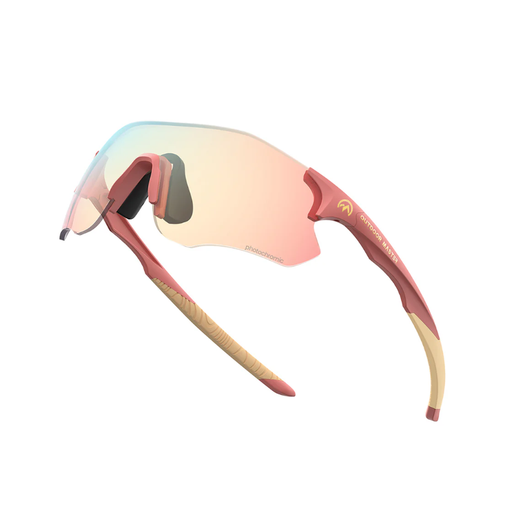
Why It Stands Out: These sunglasses are built for versatility. The photochromic HD lenses adapt automatically to changing light, transitioning from nearly clear (Cat.0) to a dark tint (Cat.3). This makes them a superb all-in-one solution for rides that span different times of day or varied environments.

Why It Stands Out: The Revoray glasses prioritise glare reduction and certified protection. Their HD TAC polarised lenses are highly effective at cutting through reflections from wet roads, making them an excellent choice for road cyclists. They are also certified to the ANSI Z87.1 impact-resistance standard.

Why It Stands Out: This model offers a combination of two leading lens technologies: photochromic and polarised. This means you get the glare-cutting benefits of polarisation along with the light-adapting convenience of photochromic tinting. At just 26-29 grams, they are exceptionally light and come with a prescription inner frame for riders who need corrective lenses.
The recommendations above represent a balance of popular features, but every rider has unique preferences. If you're looking for a different style, lens colour or feature set, there are many other models to consider.
Explore Our Full Collection of Sports Eyewear
Neither is inherently "better"; they serve different purposes. Polarised lenses are excellent for consistent, bright conditions where glare from roads or water is a problem. Photochromic lenses are ideal for rides with varying light, such as mountain biking through forests or cycling from afternoon into evening. Some premium models, like the OutdoorMaster HAWK LT, offer both technologies.
UV400 protection indicates that the lenses block 99% to 100% of ultraviolet rays up to 400 nanometres, which includes all harmful UVA and UVB radiation. Prolonged exposure to UV rays can damage your eyes, so this is a crucial, non-negotiable safety feature for any sunglasses, especially for long hours spent outdoors cycling.
A TR90 frame is made from a thermoplastic material that is highly prized in sports eyewear for several reasons. It is incredibly lightweight, which reduces pressure and increases comfort on long rides. It is also highly flexible and durable, meaning it can withstand being dropped or bent without breaking and it holds its shape for a consistently secure fit.