
24/7 Customer Support

Free returns

Same-day & Next-day Delivery

Quality Guaranteed

Unlock Your Welcome Offers: FREE Delivery | Up to 80% OFF | Free 30-day JoyPlus trial
Download the APP
A good pair of cycling sunglasses should stay comfortable on a long ride, remain secure over potholes and trails, and provide dependable protection from sunlight, dust and wind. However, product pages often use similar-sounding terms for very different features.
Whether you need road cycling sunglasses, mountain biking sunglasses or lightweight sports sunglasses for running and travel, the following guide explains what to check before buying—and which specifications are genuinely useful for UK conditions.
UV400 protection refers to ultraviolet filtering, not necessarily resistance to flying stones or falls. A lens may filter UV light while offering limited protection against impacts. For cycling, check whether the listing identifies impact-resistant polycarbonate or PC lenses and provides a recognised performance standard where relevant.
Also note that impact-resistant sunglasses are not unbreakable and should not be used for industrial eye protection, such as grinding or machining.
Polarised cycling sunglasses can reduce reflected glare from wet roads, car bonnets and water. This can be helpful on bright days, but polarisation may make some LCD displays harder to read at certain angles. If you regularly use a bike computer, phone or dashboard display, check visibility before committing to a single lens type.
Polarisation also does not automatically mean the glasses become suitable for low-light riding.
Photochromic cycling sunglasses adjust their tint according to UV exposure. They can be practical when riding through changing conditions, but the transition is not always instant. The lenses may also remain relatively light inside a vehicle because windscreens can block much of the UV that activates the tint.
For night riding or very dark conditions, always check the stated tint range. For example, a Cat.0 to Cat.3 lens is designed to cover clear-to-sunny conditions, but it is not a substitute for dedicated night-riding eyewear.
Polycarbonate and PC lenses are commonly selected for cycling because they combine low weight with impact-resistant properties. Look for a clear description of the lens material rather than relying only on phrases such as “HD” or “sports lens”.
UV400 sunglasses are designed to filter ultraviolet wavelengths up to 400 nanometres. This is an important baseline for outdoor eyewear, but it should be considered alongside lens coverage, fit and visible light transmission.
If a product mentions ANSI Z87.1, GB or CE-related compliance, read the product documentation carefully. A stated standard or marking should not be treated as a guarantee that the glasses provide protection for every high-impact activity.
Visible light transmission is also worth checking. A lower percentage generally indicates a darker lens, while a higher percentage allows more light through. One Revoray polarised model lists approximately 15.2% visible light transmission, making it more suited to bright conditions than dim weather.
A secure fit matters more than an oversized lens or aerodynamic marketing language. Look for adjustable nose pads, non-slip temple sections and a curved lens that stays stable without pressing heavily against the face.
Weight can be a useful comparison point. The products below range from approximately 25.5g to 33g. A lightweight frame can reduce pressure during longer rides, but frame width and nose-bridge shape still determine whether the glasses suit you.
Ventilated cycling sunglasses may help air circulate behind the lens and reduce fogging during high-effort riding. Ventilation is helpful, but it cannot eliminate condensation in every combination of temperature, humidity and exertion.
The following options are matched to different riding and lifestyle requirements rather than ranked against one another.
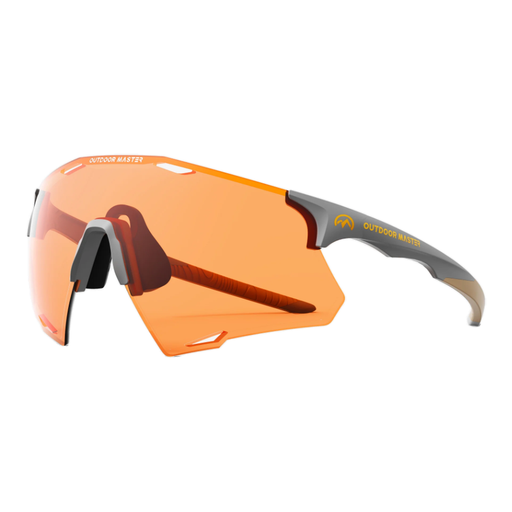
Why This Fits Their Persona: A practical option for commuters, weekend riders and runners who want one lightweight pair for several outdoor activities in changing UK weather.
The listing specifies impact-resistant polycarbonate lenses, UV400 protection, adjustable nose pads and a ventilated design rather than relying only on generic sports wording.
TR90 frame; approximately 25.5g; polarised lenses; adjustable nose pads; prescription inner frame included.
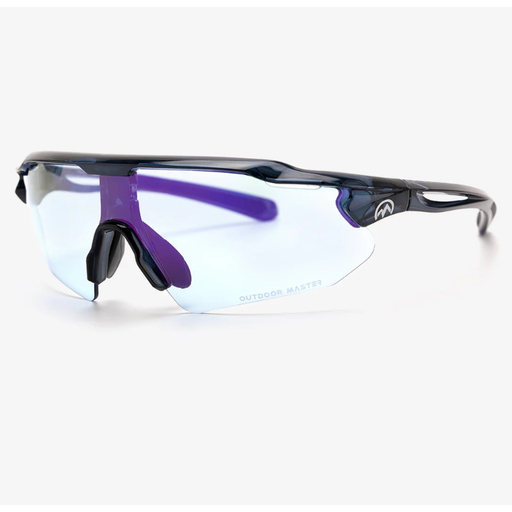
Why This Fits Their Persona: Suits riders who move between bright open roads, shaded lanes and variable weather and prefer adaptive lenses over carrying multiple pairs.
The product information states both photochromic and polarised technology, while also warning that the tint may not darken sufficiently inside vehicles.
TR90 frame; 26–29g stated weight range; UV400; impact-resistant polycarbonate lenses; adjustable nose pads and prescription inner frame.
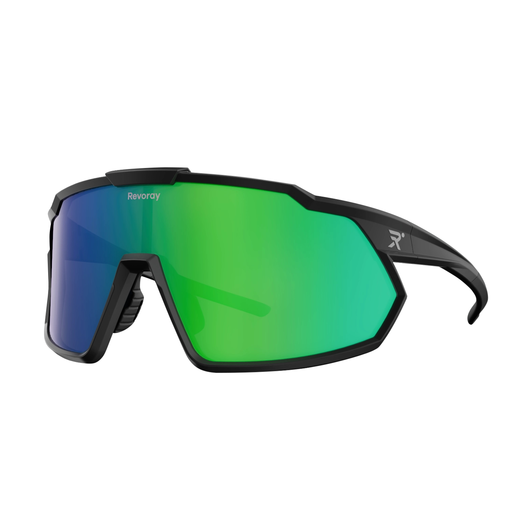
Why This Fits Their Persona: Designed for frequent road cycling, mountain biking and outdoor use where glare, sweat and changing surfaces are regular concerns.
The specification gives a visible light transmission figure of approximately 15.2% and identifies an ANSI Z87.1 performance certification, rather than leaving lens darkness and impact information vague.
33g TR90 frame; TAC polarised lenses; UV400; adjustable silicone nose pads; water- and oil-repellent coating; 1-year limited warranty stated by the seller.
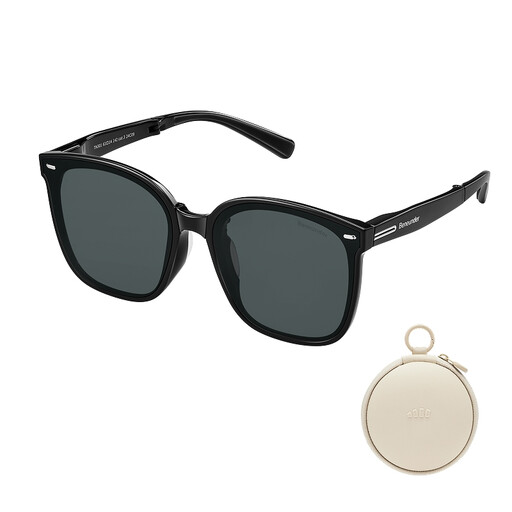
Why This Fits Their Persona: A portable choice for keeping in a coat pocket, travel bag or car, with a design intended for daily outdoor wear rather than high-speed cycling.
The foldable tri-fold frame is specified to reduce to approximately 35mm thick, while the lens description identifies UV400 and anti-reflective features.
TR90 frame; approximately 26g; UV400 nylon lenses; anti-reflective coating; compact foldable design for storage.
We have compiled a complete, real-time list of products that fully satisfy these strict selection criteria and UK safety regulations.
Even durable sports sunglasses need sensible care. Rinse off grit with clean water before wiping, as dry particles can scratch lens coatings. Use a soft microfibre cloth rather than paper towels or clothing. Avoid alcohol and strong cleaning chemicals unless the manufacturer specifically permits them.
Store the glasses in their case, particularly when carrying them with keys, tools or cycling accessories. Replace them if the lens becomes deeply scratched, the frame no longer fits securely or hinges become loose. A damaged lens can affect vision and glare control regardless of its original specification.
Some are, but check the lens tint and field of view first. Polarised lenses can reduce road glare, while photochromic lenses may not darken as expected inside a car because the windscreen filters UV. Sunglasses should never reduce your ability to see road signs, signals or other vehicles.
Some models include a prescription inner frame, which may allow an optician to fit prescription lenses separately. Confirm compatibility, dimensions and fitting arrangements before purchase. Do not assume that every wraparound frame can accept prescription lenses.