Whether you are navigating winding country lanes or tackling technical singletrack, the right pair of cycling sunglasses is more than just an accessory; it is a critical piece of performance equipment. Dealing with sun glare, wind, insects and road debris can compromise both your comfort and your concentration. Choosing the right eyewear helps you maintain a clear, protected field of vision, allowing you to focus entirely on the ride ahead.
This guide is designed to cut through the clutter and provide clear, practical information. As a Joybuy Product Recommendation Officer, my role is to help you understand the key features that matter for performance cycling, so you can select a pair of sunglasses that genuinely meets your needs on the road or trail.
What to Look for in Performance Cycling Sunglasses
Before we look at specific models, let's break down the core features that separate high-performance cycling eyewear from standard fashion sunglasses.
1. Advanced Lens Technology
The lens is the heart of any pair of sports sunglasses. For cyclists, two technologies are particularly important:
- Polarised Lenses: If you frequently ride in bright, open conditions, polarised cycling sunglasses are an excellent choice. They contain a special filter that blocks intense reflected light, or glare, bouncing off surfaces like wet roads, car bonnets and water. This reduces eye strain and dramatically improves visual clarity and contrast.
- Photochromic Lenses: For riders who face changing light—perhaps starting in the early morning mist and finishing in the bright afternoon sun or for mountain bikers moving between open trails and dense tree cover—photochromic cycling glasses are ideal. These lenses automatically darken when exposed to UV light and lighten in lower light conditions, providing optimal vision without needing to swap lenses.
- UV Protection: This is non-negotiable. Look for lenses that offer UV400 protection, which blocks 100% of harmful UVA and UVB rays. Prolonged exposure to UV radiation can damage your eyes and quality protection is essential for any cyclist spending hours outdoors.
2. Frame Design and Fit
A secure and comfortable fit is crucial, especially when riding at speed or over rough terrain.
- Frame Material: Many high-performance frames are made from TR90, a thermoplastic material known for being incredibly durable, flexible and lightweight. This ensures the glasses can withstand daily use while sitting comfortably on your face for hours.
- Weight and Aerodynamics: For competitive cyclists, every gram counts. Lightweight sports sunglasses reduce pressure on your nose and ears, enhancing long-ride comfort. For those focused on speed, such as in time trials or road races, aerodynamic road bike sunglasses with a streamlined, wraparound design can help minimise wind resistance.
- Grip and Adjustability: Look for features like rubberised or silicone nose pads and temple tips. These materials provide a secure grip that prevents the glasses from slipping, even when you are sweating. Adjustable components allow you to customise the fit to your unique face shape.
3. Durability and Impact Resistance
Your eyes are vulnerable and cycling sunglasses serve as a physical shield.
- Lens Material: Polycarbonate (PC) lenses are a popular choice for sports eyewear because they offer excellent impact resistance. This is a key safety feature, protecting your eyes from kicked-up stones, branches or other debris.
- Safety Certifications: Some sunglasses are tested against specific performance standards. For example, an ANSI Z87.1 rating indicates that the glasses have met standards for impact resistance, making them a reliable choice for both mountain biking glasses and road cycling.
Our Recommended Product Picks
Based on these key performance criteria, here are our recommendations for cyclists seeking reliable and functional eyewear.
Revoray Cycling Glasses X3-black
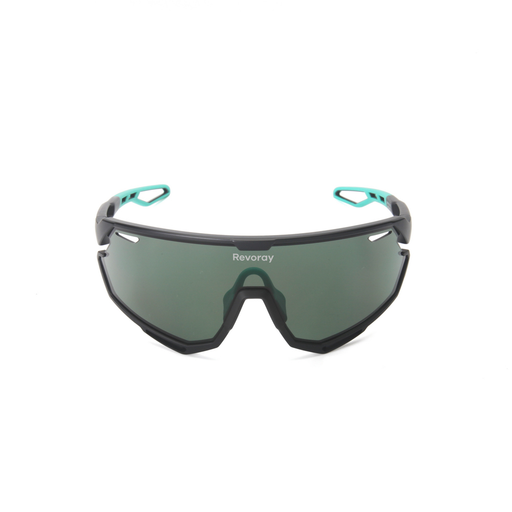
Why It Stands Out: The Revoray X3 model is built for speed and safety. Its one-piece, high-strength PC lens provides a vast, unobstructed field of view while offering significant impact resistance. The aerodynamic design is tailored to reduce wind drag, making it a strong contender for performance-focused road cyclists.
- Pros:
- High-impact HD PC lens for clear vision and protection.
- Aerodynamic streamlined design to minimise wind resistance.
- Ultra-lightweight TR90 frame at approximately 30g.
- Full UV400 protection against harmful rays.
- Non-slip rubber nose pad and temples for a secure fit.
- Who is it for?: Road cyclists and triathletes who prioritise aerodynamics, a wide field of vision and lightweight construction for competitive events and high-speed training.
Revoray Cycling Glasses Y1-black

Why It Stands Out: This model focuses on visual clarity in bright conditions through its HD TAC polarised lenses. By effectively filtering out harsh glare, it helps reduce eye fatigue on long, sunny rides. Its compliance with the ANSI Z87.1 impact-resistance standard also provides an added layer of confidence in its protective capabilities.
- Pros:
- HD TAC Polarised Lenses to significantly reduce glare.
- Performance tested to the ANSI Z87.1 impact-resistance standard.
- 100% UV400 protection.
- Water- and oil-repellent lens coatings for easier maintenance.
- Adjustable anti-slip silicone nose pads for a customisable fit.
- Who is it for?: A great all-rounder for cyclists who frequently ride in bright, sunny environments. Ideal for road cycling, commuting and leisure rides where reducing glare is a top priority.
OutdoorMaster HAWK LT Photochromic & Polarised Sunglasses

Why It Stands Out: The OutdoorMaster HAWK LT offers the best of both worlds by combining photochromic and polarised technologies. The lenses adapt to changing light while simultaneously cutting glare, making them exceptionally versatile. At just 26-29g, they are incredibly light and the inclusion of a prescription inner frame adds another layer of utility for riders who need corrective lenses.
- Pros:
- Photochromic lenses that adapt to light conditions.
- Polarised to reduce glare.
- Extremely lightweight design (26-29g).
- CE certified for impact resistance.
- Includes a prescription inner frame for corrective lenses.
- Who is it for?: The ultimate versatile choice for riders who encounter a wide variety of conditions. Particularly well-suited for mountain bikers moving through forests, gravel riders on all-day adventures and anyone who wants one pair of glasses to handle it all.
Looking for Other Options?
The recommendations above are centred on performance features for dedicated cyclists. If you are still exploring your options or have a specific style in mind, you can browse our wider collection of black glasses to find the perfect match for your kit.
Frequently Asked Questions About Cycling Sunglasses
Are polarised cycling sunglasses better?
Polarised lenses are excellent for reducing glare from flat surfaces like wet roads, which can enhance comfort and reduce eye strain in bright, sunny conditions. However, they can sometimes make it difficult to read digital screens (like a cycling computer or phone) and may obscure subtle changes in road texture, such as icy patches. Whether they are "better" depends on your primary riding environment.
What is the difference between road bike sunglasses and mountain biking glasses?
While there is a lot of overlap, there are some general differences. Road bike sunglasses often prioritise a lightweight, aerodynamic and wraparound design to minimise wind resistance and provide a wide, open view of the road. Mountain biking glasses typically offer greater coverage to protect from trail debris, a more robust frame and a very secure fit to prevent them from dislodging on rough, bumpy terrain.
Is UV400 protection necessary for cycling glasses?
Yes, it is essential. The UV400 standard indicates that the lenses block virtually all UVA and UVB light rays up to 400 nanometres. As cyclists spend many hours exposed to direct and reflected sunlight, protecting your eyes from long-term UV damage is a critical health and safety consideration. Always ensure any pair you consider offers full UV400 protection.


