
24/7 Customer Support

Free returns

Same-day & Next-day Delivery

Quality Guaranteed

Unlock Your Welcome Offers: FREE Delivery | Up to 80% OFF | Free 30-day JoyPlus trial
Download the APP
Navigating UK roads and trails on two wheels presents a unique set of visual challenges. From the sudden glare of a low-lying sun on a wet road to unpredictable shifts between bright spells and overcast skies, having the right eyewear is not just a matter of comfort—it's essential for safety and performance. Choosing a pair of cycling sunglasses can feel overwhelming with so many technical terms and features to consider.
This guide is designed to cut through the clutter. As a Joybuy Product Recommendation Officer, my role is to provide clear, practical advice to help you select eyewear that genuinely meets the demands of cycling in the UK. We will explore the key features to look for and highlight a few standout options to help you make an informed decision.
Before looking at specific models, understanding a few core technologies will help you identify what you truly need.
The lens is the heart of any pair of sports sunglasses. The two most important technologies for cyclists are polarisation and photochromism.
A long ride demands comfort, and the frame plays a huge part in this. Many high-performance sports sunglasses use a material called TR90. This thermoplastic is prized for being incredibly durable, flexible and lightweight.
A pair of lightweight TR90 sunglasses will sit comfortably on your face without causing pressure points, even after hours in the saddle. Look for features like adjustable nose pads and rubberised temple tips, which ensure a secure fit that won't slip when you're sweating or riding over bumpy terrain. This is crucial for both road cyclists and those looking for versatile sunglasses for running and cycling.
Your eyes need protection from more than just visible light. UV400 sunglasses are essential, as they block 100% of harmful UVA and UVB rays. This is a non-negotiable standard for any eyewear intended for prolonged outdoor use.
Furthermore, consider impact resistance. Lenses made from polycarbonate are a popular choice as they are lightweight and shatter-resistant, offering a good degree of protection from road debris, insects or stray branches on a trail. This is particularly important when selecting mountain biking sunglasses.
Based on features that deliver tangible benefits for cyclists, here are our recommendations.

Why It Stands Out: This model combines the best of both worlds by featuring lenses that are both photochromic and polarised. This dual capability means they adapt to changing light conditions while simultaneously cutting down on harsh glare, offering a comprehensive solution for almost any riding scenario. The lightweight TR90 frame and adjustable nose pads ensure a comfortable, customised fit.
Pros:
Who is it for? The all-weather cyclist who rides at different times of day and wants a single pair of glasses that can handle everything from bright, glary conditions to overcast skies and shaded trails.
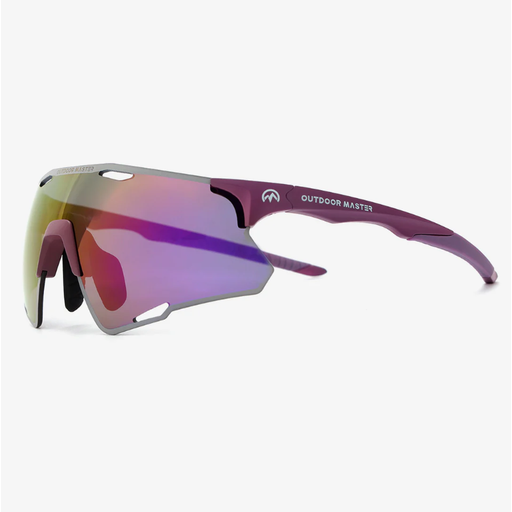
Why It Stands Out: The LARK SV model focuses on delivering exceptional clarity and comfort during high-intensity efforts. Its key feature is the ventilated lens design, which promotes airflow to reduce the risk of fogging when you're working hard. The HD polarised lenses provide excellent glare reduction, and at just 25.5g, they are exceptionally lightweight.
Pros:
Who is it for? Performance-oriented cyclists and runners who prioritise a clear, fog-free field of vision during intense workouts in sunny conditions.

Why It Stands Out: These glasses are built with a strong emphasis on durability and protection. They are certified to the ANSI Z87.1 impact-resistance standard, offering a higher level of assurance for riders concerned about debris. The HD TAC polarised lenses are finished with water- and oil-repellent coatings, making them easier to clean and maintain in challenging weather.
Pros:
Who is it for? Mountain bikers, gravel riders and anyone who prioritises robust protection and durability in their eyewear.
These recommendations cover a range of needs, but the ideal pair of sunglasses is a personal choice. If you're still exploring different styles or features, you can browse our full collection to find the perfect pair for your rides.
? Explore our complete range of polarised cycling glasses
Yes, for the most part. Polarised lenses are highly effective at reducing glare from wet roads, which enhances comfort and reduces eye fatigue. However, some riders note that they can make it difficult to see digital displays (like a bike computer) or identify slick, oily patches on the road. It's a popular choice, but one with a minor trade-off to consider.
The main benefit is adaptability. Photochromic lenses automatically adjust their tint based on the amount of UV light present. This means you can wear the same pair of glasses from dawn to dusk, through shaded forests and into open sunlight, and always have the appropriate level of tint for clear vision.
TR90 frames are recommended because they offer an ideal combination of properties for athletic use. They are exceptionally lightweight, which prevents discomfort on long rides. They are also highly flexible and durable, meaning they can withstand being dropped or twisted without breaking, and they maintain a secure fit during vigorous activity.