Leisure cyclists carrying a sweet bar
A portioned confectionery bar may fit an easier ride when you want a familiar treat. Check its carbohydrate per bar rather than using calories to judge how it fits your ride.


A single toffee-style bar can be a portioned sweet snack on an easier ride, if its texture and ingredients suit you, but it should not stand in for a longer ride’s carbohydrate plan. British Cycling’s guidance for indoor rides over 90 minutes gives a rule of thumb of 30–60 g carbohydrate per hour; Nestlé lists 23.4 g in one 38 g Toffee Crisp. A measured sports bar may suit riders who prefer solid food, while a gel offers a soft format for moments when chewing is less practical.
A portioned confectionery bar may fit an easier ride when you want a familiar treat. Check its carbohydrate per bar rather than using calories to judge how it fits your ride.
If you are riding for more than 90 minutes, count carbohydrate from everything you intend to eat and drink. British Cycling’s indoor-cycling guidance gives 30–60 g per hour as a rule of thumb for rides of that length.
A soft gel may be easier to manage than a chewy bar when eating solid food is impractical. Check the carbohydrate per sachet and choose a safe moment to take it.
Start with ride duration and the carbohydrate per portion, then decide which format you can carry and consume comfortably.
| Priority | What to check | Your needs |
|---|---|---|
| Carbohydrate | Read the per-bar or per-sachet figure, not just calories. For indoor rides over 90 minutes, British Cycling gives a 30–60 g carbohydrate-per-hour rule of thumb. | On a longer ride, I want to count food and drink together. Nestlé lists 23.4 g carbohydrate in a 38 g Toffee Crisp, so one bar falls short of that hourly range on its own. |
| Eating format | Consider whether you can manage a chewy bar at the intended intensity. British Cycling notes that gels and carbohydrate drinks may be preferable to solid food on long, fairly high-intensity rides. | If chewing would be awkward, I would choose a format I can consume at an appropriate moment rather than assume a sweet bar will be convenient throughout the ride. |
| Portion and pack | Check whether the listing is for one portion or a multipack, and whether nutrition is stated per item or per 100 g. Individually wrapped pieces are not necessarily equal to one stated serving. | I want to know what each item contributes before packing it. A 38 g Toffee Crisp bar is a different portion from a larger solid energy bar or a gel sachet. |
| Ingredients | Read the current pack’s ingredients and may-contain statement. Nestlé’s Toffee Crisp information identifies milk and wheat ingredients and possible peanuts, nuts and soya. | If an ingredient or cross-contact warning matters to me, I need to check the exact product and pack before eating it. |
Nestlé lists 197 kcal and 23.4 g carbohydrate in a 38 g Toffee Crisp. The calorie figure does not tell you how much carbohydrate that bar contributes to an hourly plan.
Write down the carbohydrate per portion for each bar, gel and drink you plan to use, then add the portions for each hour of a longer ride.
A 300 g pack of traditional toffees and an individually wrapped 38 g bar have different serving formats. Nutrition stated per 100 g does not establish the amount in an unmeasured piece.
Check the unit count and nutrition-table basis; count or weigh loose pieces if you need to calculate their carbohydrate.
A chewy chocolate-and-caramel bar may be awkward to eat during a harder effort. British Cycling’s indoor-cycling guidance distinguishes lower-intensity riding, where solid food can work, from long, fairly high-intensity riding, where drinks or gels may be preferable.
Try solid food on an easier ride and plan to eat it at a safe moment; choose a format you can manage for the effort ahead.
Recipes and allergen statements can change, so an earlier online description may not describe the pack you are carrying.
Read the current physical label, particularly if you need to avoid an ingredient or a stated cross-contact risk.
These references cover different formats; a traditional-toffee pack is not automatically a portioned cycling bar.
A 38 g toffee-style confectionery bar with soft caramel and crisped cereal pieces in a milk-chocolate-flavour coating.
Thorntons Original Toffee is listed by Tesco as a 300 g pack of traditional toffee.
M&S Double Devon Toffees are individually wrapped pieces sold in a 300 g pack.
Tesco has listed both a single 38 g Nestlé Toffee Crisp and a 300 g Thorntons Original Toffee pack.
Waitrose lists toffee, fudge and nougat products across several pack formats.
These options include toffee-style bars sold in multipacks and two energy gels sold in multipacks. Check the carbohydrate in one bar or sachet, rather than treating the whole pack as a ride portion.
 No image available
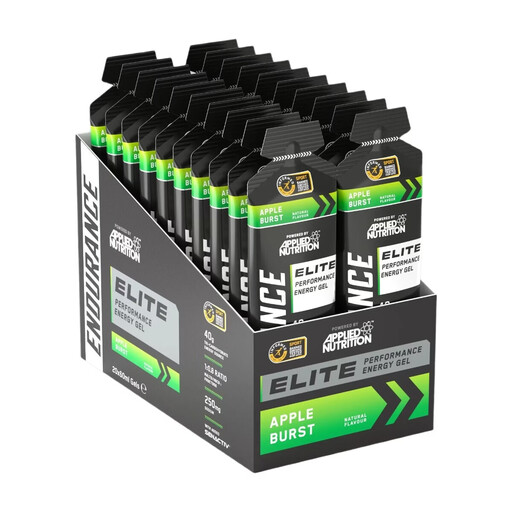
A gel option when you would rather carry a measured sachet than chew a bar. The listing states 40 g carbohydrate and 250 mg sodium per 60 ml gel; the pack contains 20 gels.
This is not a toffee bar. The listing advises against use by under-16s and people who are pregnant or breastfeeding, and warns of possible interactions with medicines and supplements. It also lists possible milk, egg, soybeans, celery, fish and gluten-containing cereals; check the current pack.
 No image available
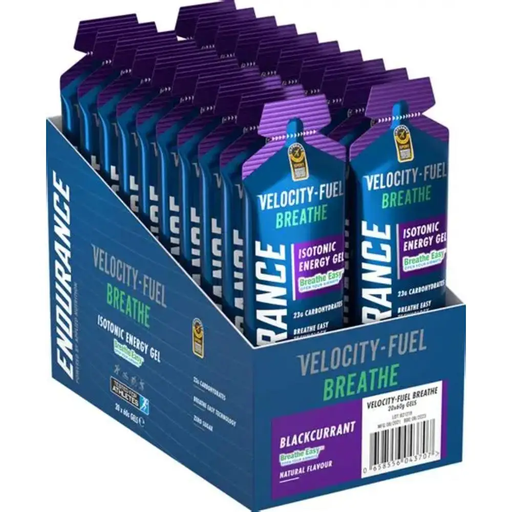
A sachet format to consider when chewing a bar is impractical. The listing states 23.1 g carbohydrate per 60 g sachet; one sachet falls short of British Cycling’s 30 g lower hourly rule of thumb for indoor rides over 90 minutes if used alone.
This is a 20-sachet pack, not a toffee bar. Check the current pack’s ingredient and allergen information if it matters to you.
 No image available
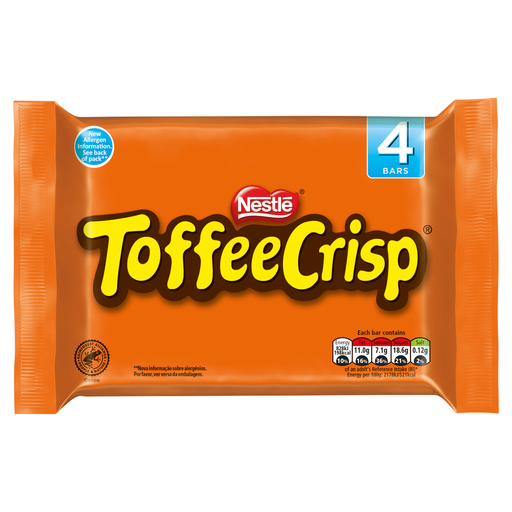
An individually wrapped toffee-style bar for a rider who wants a portioned sweet snack. Nestlé lists 23.4 g carbohydrate and 10.7 g fat per 38 g bar; one bar does not reach British Cycling’s lower hourly carbohydrate figure for indoor rides over 90 minutes on its own.
This is a four-bar multipack, not a single-bar pack. The bar contains milk and wheat ingredients and may contain peanuts, nuts and soya; check the current label.
 No image available
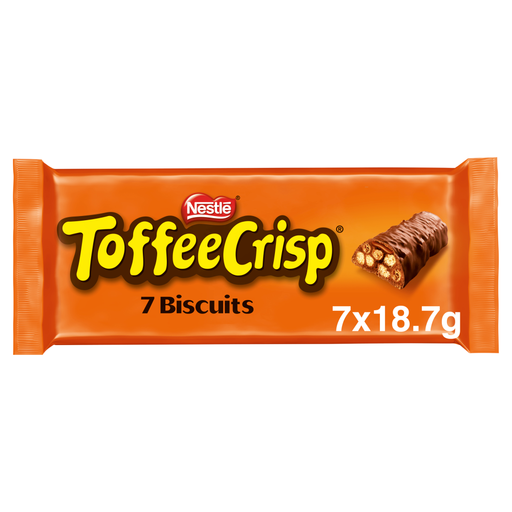
A smaller, individually wrapped biscuit bar for a rider who wants a sweet portion. The listing states 11.3 g carbohydrate per 18.7 g bar, which should be counted separately from any other food or drink on a longer ride.
This seven-pack is a biscuit product, not the 38 g Toffee Crisp bar or a single-bar pack. The listed ingredients include milk and wheat, with possible peanuts, nuts and soya; check the current label.
Not necessarily. British Cycling says additional fuel is not normally needed during an indoor session under an hour, while hydration remains important. That indoor-cycling advice is not a rule for every outdoor ride or individual circumstance.
British Cycling’s indoor-cycling guidance gives 30–60 g carbohydrate per hour as a rule of thumb for rides over 90 minutes. Count the portions supplied by food and drinks together, and choose a format you can manage at your intended intensity.
Not on its own against British Cycling’s 30–60 g-per-hour rule of thumb for indoor rides over 90 minutes: Nestlé lists 23.4 g carbohydrate per 38 g bar. It can be one portion in a wider plan; its 197 kcal figure is not a substitute for counting carbohydrate.
Check the current pack’s ingredients and allergen statement before eating it. Nestlé’s product information identifies milk and wheat ingredients and says the bar may contain peanuts, nuts and soya.