
24/7 全天候客户支持

免费退货

当日/次日达

品质保障

开启新人专享福利: 全场免邮 | 低至 2 折 | 免费试用 30 天 JoyPlus 会员
下载 Joybuy
Navigating the market for a new cylinder vacuum cleaner can feel overwhelming. With so many models boasting powerful motors and a dizzying array of features, it is easy to end up with a machine that looks impressive on the box but fails to meet the practical demands of a busy UK home. As your Joybuy Product Recommendation Officer, my role is to help you see past the marketing clutter and focus on what truly matters.
Many shoppers fall into a few common traps. Let's look at the main ones to avoid before you make a decision.
To make a smart choice, focus on the core specifications that directly impact performance and convenience in your home.
The filtration system is crucial for both cleaning performance and the quality of the air in your home.
The physical design of a vacuum determines how easy it is to use day-to-day.
The right tools transform a vacuum from a simple floor cleaner into a versatile home-cleaning system. For a cylinder vacuum for carpets and hard floors, an adjustable floor head is essential. If you have pets, a dedicated pet cylinder vacuum with a motorised or air-driven turbo tool is invaluable for lifting stubborn hair from upholstery and stairs. A crevice tool and dusting brush are standard, but check if they are stored onboard for easy access.
To help you match a model to your specific needs, here are a few recommendations based on common UK household profiles.
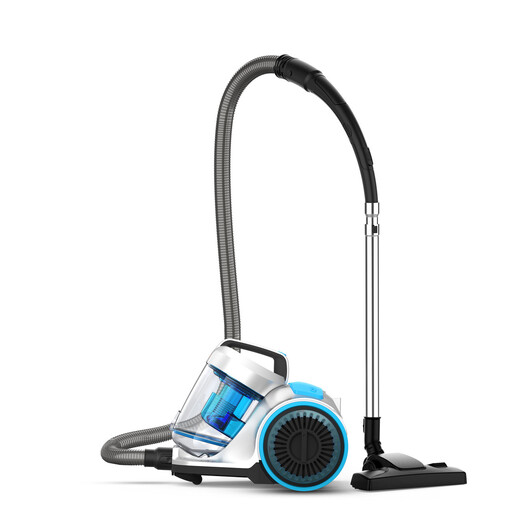
Why This Fits Their Persona: Specifically designed for homes with furry friends, this model combines a lightweight frame with tools that directly address the challenge of pet hair on sofas, stairs and carpets.
Instead of a generic floor head, it includes a dedicated Turbo Tool designed to agitate and lift embedded pet hair, providing a more effective clean than suction alone.
Features a combination of cyclonic technology for consistent suction and a lightweight 4.7kg body, making it easy to carry around the house for targeted cleaning.
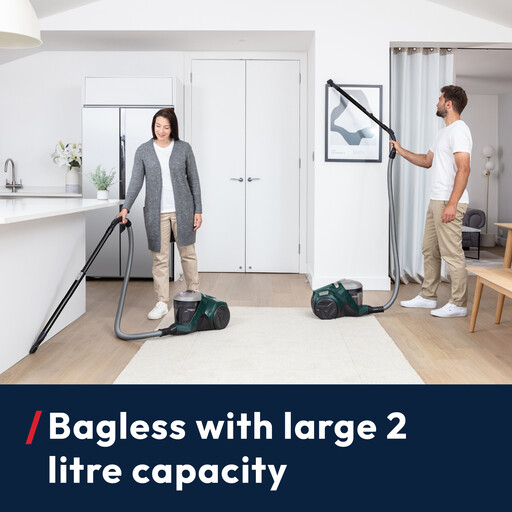
Why This Fits Their Persona: This model prioritises air quality, making it an excellent choice for those sensitive to dust and allergens. Its filtration system is designed to capture fine particles that other vacuums might release back into the air.
It addresses the running cost trap with a washable HEPA H13 filter. This reduces the need for frequent replacements, offering long-term value while maintaining high filtration performance.
Its main benefit is the advanced filtration system. The HEPA H13 filter is specified to trap a high percentage of allergens, contributing to a cleaner home environment.
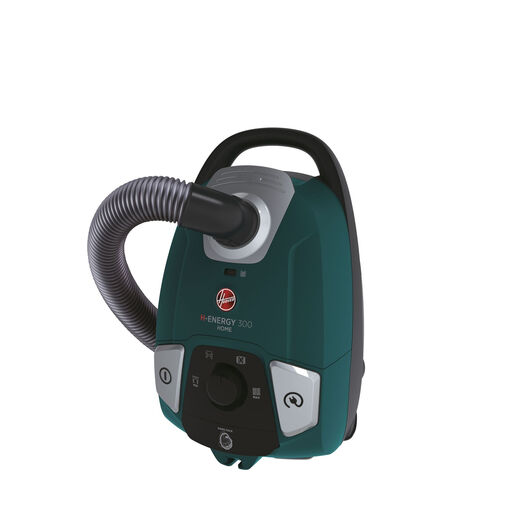
Why This Fits Their Persona: Ideal for those living in smaller spaces where every inch of storage counts. Its design focuses on being compact and easy to put away without sacrificing cleaning reach or capacity.
It directly solves the problem of bulky vacuums that are difficult to store. The NanoPack storage system allows the hose, tube and nozzle to fit neatly onto the main body.
Offers excellent manoeuvrability with a 360-degree rotating hose and four pivoting wheels, making it easy to navigate tight corners and furniture in smaller rooms.
We have compiled a complete, real-time list of products that fully satisfy these strict selection criteria and UK safety regulations.
For optimal performance, it is generally recommended to rinse washable filters every 4-6 weeks, depending on usage. Allow them to air dry completely for at least 24 hours before reinserting. Non-washable filters, including some HEPA filters, will need replacing every 6-12 months. Always refer to the manufacturer's instructions for your specific model, as this can vary.
Cylinder vacuums often have an advantage when cleaning stairs. Their separate body and hose design means you only need to carry the lightweight wand and floor head up the stairs, leaving the main unit on the floor below. This can be less cumbersome than balancing a heavier, all-in-one upright model on each step. Look for a model with a long hose and cord for the best experience.
Standard cyclonic technology spins air to separate larger debris from the airflow, which helps maintain suction. Multi-cyclonic systems use multiple, smaller cyclones to perform this separation at a higher intensity. This allows them to filter out much finer dust particles before they reach the main filter, which helps keep the filter cleaner for longer and provides more consistent, powerful suction throughout your clean.