Post-move detail cleaners
If dry dust, grit and packing debris are concentrated beneath benches or along edges, check the supplied crevice attachment and the reach of the hose and wand before focusing on capacity.


For dry debris beneath a bench after moving house, start with a cylinder vacuum whose supplied crevice tool can reach through the actual gap; a suction figure cannot tell you whether an attachment will fit. If the clean extends across several rooms, working range and capacity matter more, while bagged collection is worth considering if contained disposal is a priority.
The size of the cleaning job changes what is worth checking, but every under-bench choice still begins with the space the tool must enter.
If dry dust, grit and packing debris are concentrated beneath benches or along edges, check the supplied crevice attachment and the reach of the hose and wand before focusing on capacity.
If the debris extends through several rooms, working range and collection capacity become more useful checks alongside access to narrow spaces.
If handling collected dust is your main concern, compare how a bagged machine closes and removes its bag with the emptying and upkeep instructions for a bagless model.
Measure the bench gap first, then decide whether this is a small detail-cleaning job or part of a wider move-in clean. Treat disposal as a separate choice: it does not establish whether a vacuum can reach beneath the furniture.
| Concern | What to check | Who this matters to |
|---|---|---|
| Under-bench access | Measure the lowest clearance and check the dimensions of the supplied crevice tool or floorhead. | I need to pull grit from beneath a low bench, so the attachment must enter the gap. Around 42% of consumers put access first. |
| Wider cleaning range | Compare the stated working range and collection capacity for the area you need to clean. | With debris spread across several rooms, I want fewer socket changes and collection interruptions; around 33% of consumers prioritise wider-cleaning coverage. |
| Disposal and upkeep | Check how the bag or bin is emptied and what the model requires for bag and filter upkeep. | After a dusty clean, I would rather limit contact with collected debris. For around 25% of consumers, contained disposal is the primary concern. |
A floorhead that cannot enter the bench gap will not reach debris beneath it. Miele UK describes a flexible crevice nozzle on its Guard L1 Cat & Dog Flex for hard-to-reach places, but the fit still depends on your furniture.
Measure the lowest clearance and gap width, then check the dimensions and included attachments for the exact model.
The hose and wand also affect how far you can clean from a socket. Manufacturer figures labelled as cable length and working range describe different things.
Compare like-for-like working-range figures when cleaning several rooms, and check cable length separately.
Bagged collection can make disposal more contained, but requires replacement bags. A bagless model avoids those bags while leaving you to empty its bin and follow its filter-care instructions.
Check the exact bag or bin procedure and the model’s maintenance instructions before choosing.
These examples show different features to compare for a post-move clean; the details apply to the named models rather than every vacuum from each brand.
Bagged cylinder models with different tools and working ranges.
Bagged household cylinder vacuums for general and detail cleaning.
Bagged cylinder models that may suit a clean extending beyond one bench.
Bagged cylinder models with adjustable power and floor-cleaning attachments.
Bagless cylinder models for consumers who prefer not to replace collection bags.
These cylinder vacuums are choices to assess for dry debris after a move. Compare their stated collection format and capacity, but measure your bench before deciding whether an attachment will reach beneath it.
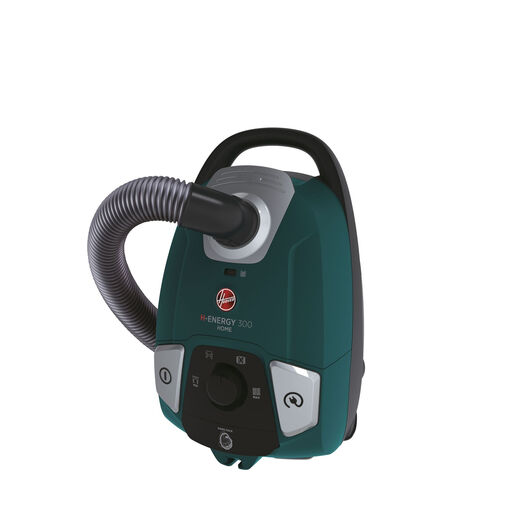 Image unavailable
Consider this bagged model for detail cleaning as well as a wider post-move tidy-up. It has a stated 3.5 L capacity; check the supplied tool against the bench gap and confirm compatible replacement bags.
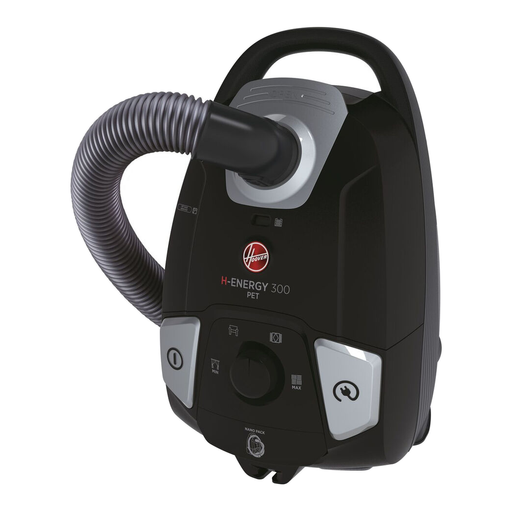 Image unavailable
This variant may suit a household clean where you also want the named pet tool. Its stated capacity is 3.5 L and its retractable cable is 7 m; check which narrow-gap attachment is supplied and whether it fits beneath your bench.
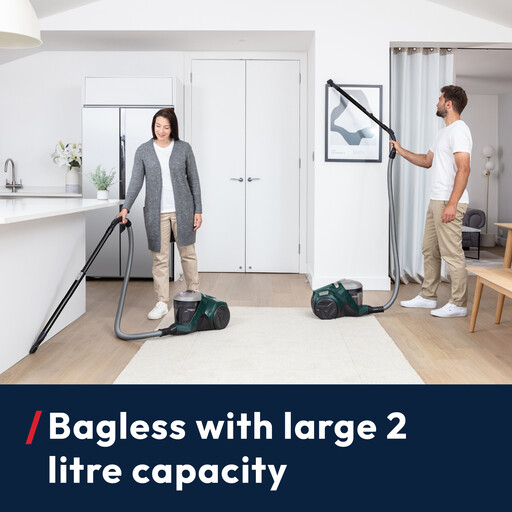 Image unavailable
Consider this model if avoiding replacement bags matters more to you than contained bag disposal. The name specifies a 2 L capacity, 12 m reach and HEPA H13 filter; check tool fit beneath the bench and follow the model’s bin and filter-care instructions.
 Image unavailable
This is another cylinder option to assess for a post-move clean that includes narrow spaces. Its stated capacity is 2.5 L; check the supplied crevice attachment against your bench clearance and review the emptying instructions.
 Image unavailable
Consider its 3 L stated capacity if the clean extends beyond debris beneath one bench. Check the supplied narrow-gap tool against the furniture clearance, and confirm the collection and emptying method before choosing it for dusty debris.
Check attachment access first: a tool cannot collect debris it cannot reach. Measure the bench clearance and confirm that the supplied floorhead or crevice attachment can enter the gap before comparing suction claims.
Choose a bagged model if contained disposal is your priority, or consider bagless if avoiding replacement bags matters more. Check the particular model’s bag-removal or bin-emptying method and its filter-care instructions; neither collection format guarantees access beneath a bench.
Compare stated operating or working range rather than cable length alone. Miele UK states a 12 m operating radius for its standard Guard L1, while Cleva UK states a 26 m working range for the Vacmaster D8; check what each manufacturer’s figure includes before comparing models.
Follow the model’s instructions for emptying or replacing its collection bag or bin, and inspect the hose and narrow tool for blockages. John Lewis & Partners notes that blocked filters can reduce cleaner performance, so use the model-specific filter-care instructions too.