Hard-floor threshold cleaners
For families clearing dry grit and crumbs from hard-floor doorways, the main floorhead needs to suit the surrounding surface, while a crevice nozzle can reach a narrow edge or groove.


Start with a floorhead suited to the hard floor around the threshold and check that the package includes a crevice nozzle for narrow edges. A dedicated hard-floor package suits homes with mostly hard flooring; a cylinder with an appropriate combination head makes more sense when you also clean rugs or carpet. If you prefer a reusable dust box, weigh that convenience against the more contained disposal a bagged model can offer.
For families clearing dry grit and crumbs from hard-floor doorways, the main floorhead needs to suit the surrounding surface, while a crevice nozzle can reach a narrow edge or groove.
If cleaning continues from the doorway onto rugs or carpet, check whether the supplied head changes settings or whether the package includes a separate tool for those surfaces.
If contact with collected dust matters when emptying the vacuum, compare a bagged machine with a reusable dust box. The disposal method is a separate decision from which floorhead reaches the threshold.
Choose tools for the threshold and the other floors in your home first. Then compare cleaning reach, capacity and how you want to dispose of the collected debris.
| Concern | What to check | Who this matters to |
|---|---|---|
| Threshold edges | Check the exact package for a hard-floor brush or suitable hard-floor setting and a crevice nozzle. | If dry grit gathers in a narrow threshold groove, I need a tool that fits where the main floorhead cannot. Around 33% of consumers put access to those edges first. |
| Mixed flooring | Confirm which floorheads are supplied and how to set them for your hard floors, rugs and carpets. | When I move from the entrance to carpeted rooms, I need the vacuum to work with both surfaces. Roughly 25% of consumers prioritise that flexibility. |
| Reach and capacity | Compare model-specific cord length, cleaning range, capacity, weight and storage space. | If I clean several rooms in one session, frequent plug changes or stops to empty the machine matter more than the doorway task alone. For about 25% of consumers, reach and capacity are the primary concern. |
| Dust disposal | Choose between a reusable dust box and compatible replacement bags; check the exact model’s disposal system. | When I discard collected debris, I would rather keep direct contact with dust to a minimum than avoid buying bags. Around 17% of consumers place contained disposal first. |
A broad head may cover the floor beside a threshold without fitting into a narrow channel.
Check the in-box tool list for both a head suited to your hard floor and a crevice nozzle.
A combination head’s suitability depends on its setting. SEBO instructs users to select the correct head and setting for the surface.
Follow the instructions for the exact floorhead, and check any special care requirements for your floor finish.
A reusable dust box avoids bags but still needs emptying. Bosch says its bagged disposal option limits dust exposure compared with emptying a dust box.
Decide which disposal method matters more to you; for a bagged model, check which replacement bags fit.
An ordinary dry vacuum is not intended to pick up water. Electrical Safety First advises against vacuuming wet floors unless the machine is specifically designed for it.
Keep this threshold-cleaning task to dry debris unless the exact model’s instructions permit wet pickup.
These product lines illustrate different tool and disposal choices. Check the contents and instructions for the particular model rather than assuming every vacuum from a brand has the same equipment.
Miele’s bagged cylinder range includes hard-floor, all-floor and accessory-focused variants.
SEBO’s bagged cylinder line includes packages with a switchable combination head and separate floor tools.
Numatic offers bagged cylinder models with hard-floor tools and differing capacities and cable lengths.
Bosch offers bagless cylinders with reusable dust boxes alongside bagged options.
These cylinder vacuums offer bagless and bagged options for the family-home cleaning task. Before choosing one for a finished threshold, confirm the supplied floorhead, its hard-floor instructions and the tools included with the exact model.
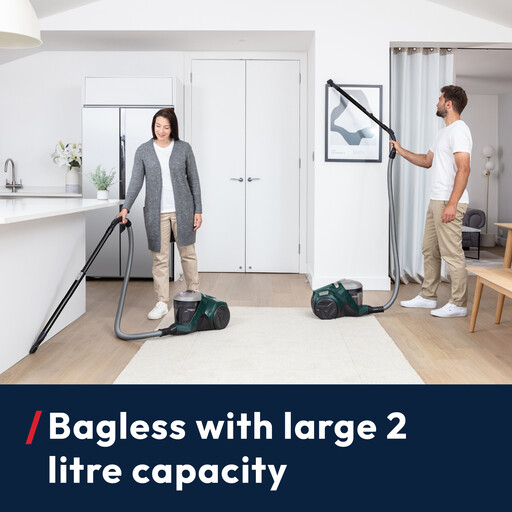 No image available
Consider this bagless model if a reusable container is more important to you than bagged disposal; check its supplied floorhead and crevice tool before choosing it for thresholds.
2 L capacity; 12 m reach; HEPA H13 filter stated in the product title.
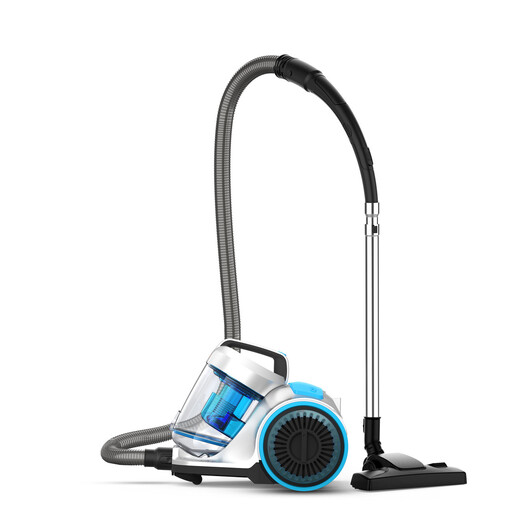 No image available
For a home with thresholds and other floor types, check the supplied combination head’s hard-floor instructions and confirm which crevice attachment comes with this model.
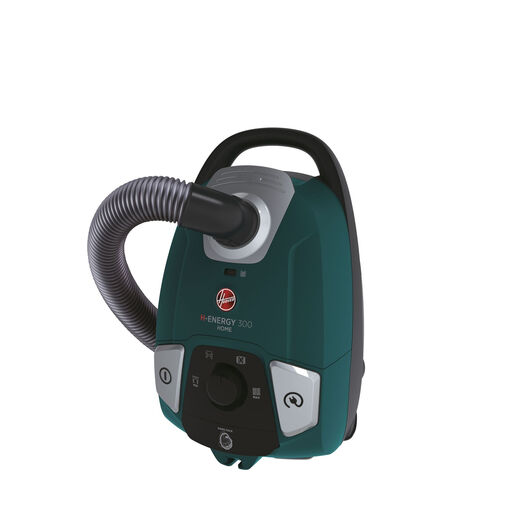 No image available
This bagged model is worth considering if you prefer bag disposal; check the floorhead setting, crevice attachment and compatible bags for your cleaning routine.
3.5 L bag capacity; NanoPack storage design.
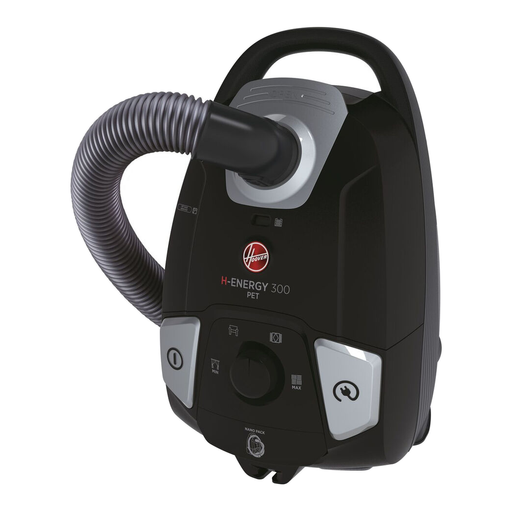 No image available
Choose between this pet-tool variant and another bagged model by checking which supplied tools suit your floors and threshold edges, as well as which bags it takes.
3.5 L bag capacity; 7 m retractable cable; NanoPack storage design.
 No image available
If this model interests you for threshold cleaning, confirm its hard-floor head, crevice attachment and whether debris is collected in a bag or reusable container.
3 L dust capacity; 700 W rating.
Do not use an ordinary dry cylinder vacuum on a wet floor. Electrical Safety First advises using a vacuum for wet pickup only when it is specifically designed for that purpose; otherwise, limit this task to dry grit, crumbs and dust.
Use the setting specified for the surface. SEBO’s Kombi instructions describe lowering its brush for hard flooring and raising it for carpets; check the instructions for the exact head supplied with the vacuum you choose.
Check that the plug, cord and socket are undamaged, and follow the model’s instructions. Electrical Safety First also advises unplugging the vacuum when it is not in use.
Do not put it in general waste. Oxfordshire County Council identifies appliances with electrical parts, plugs or batteries as waste electrical equipment; check your council’s current recycling arrangements or an applicable retailer take-back route.