Cleaning beneath low stools
If a floorhead cannot pass beneath a stool or around its braces, nozzle reach and flexibility matter more to this task than the speed of cleaning an open room.


Choose a cylinder vacuum by whether its floorhead or crevice tool can reach the crumbs beneath your stools, rather than by suction claims alone. A compact bagged model suits general post-move cleaning if its tools fit; consider a dedicated hard-floor brush for larger open areas, or a compatible flexible crevice nozzle where stool legs and braces obstruct a standard tool.
If a floorhead cannot pass beneath a stool or around its braces, nozzle reach and flexibility matter more to this task than the speed of cleaning an open room.
If crumbs are scattered across a wider hard-floor area, you need a suitable floorhead for the open space and a narrower tool for stool legs and edges.
If the crumb clean-up is only the immediate job, consider whether the vacuum’s size, supplied tools and floorhead will also suit your usual rooms.
Check access beneath the stools first. Then weigh open-floor cleaning, everyday handling and how you prefer to dispose of collected dust.
| Concern | What to check | Who this matters to |
|---|---|---|
| Access beneath stools | Measure the lowest gap and the distance to the crumbs; compare these with the floorhead and crevice tool, including any braces in the way. | If crumbs sit behind a stool brace, I need a nozzle that can reach them even when the floorhead cannot enter. Around 36% of consumers put physical access first. |
| Hard-floor coverage | Check the supplied hard-floor brush and its width, where stated, alongside the operating radius. | With crumbs spread across an open hard floor, I want to cover the room before cleaning closely around the stools. For around 29% of consumers, floor coverage is the primary need. |
| Regular household use | Check the cleaner’s size, storage requirements and supplied floorhead against the floors you normally clean. | After the move, I still need a cylinder I can store and use for routine cleaning, not just this one task. That broader use comes first for around 21% of consumers. |
| Dust disposal | Choose between a replaceable bag and an emptyable container; check the exact model’s bag and filter requirements. | I would rather choose an emptying routine I can maintain than decide solely on the crumb clean-up. Around 14% of consumers make disposal their primary concern. |
A floorhead cannot collect crumbs in a gap it cannot enter, whatever the suction setting.
Measure the stool clearance and check the floorhead profile. For obstructed gaps, check the reach of the supplied crevice tool or a compatible flexible nozzle.
SEBO’s AIRBELT E manual says attachments vary by model, and Miele’s flexible SFD 20 is an accessory rather than a tool to assume is in the box.
Check the exact model’s included-tool list and confirm compatibility before choosing a nozzle for the stool layout.
A suitable nozzle or brush may need to be obtained separately.
A bagless cylinder avoids replacement bags but still needs its dust container emptied. A bagged model has a different disposal routine and requires the correct replacement bags.
Choose the routine you prefer, then check the manufacturer’s instructions for the exact model’s container, bags and filters.
A brush intended for open floor may not pass between closely spaced stool legs or reach past a brace.
Use the floor brush where it fits and check that a narrow tool can reach the remaining crumbs.
Miele’s cylinder range includes compact Guard S1 models, a Parquet XL hard-floor configuration and a flexible crevice accessory.
Bosch offers bagged and bagless cylinders for consumers weighing replacement bags against emptying a reusable container.
SEBO’s bagged AIRBELT E range includes configurations for homes with hard floors and carpets.
These cylinders offer bagged and bagless choices for the post-move crumb clean-up and subsequent household use. Check each model’s tool dimensions against your stools before relying on it for the space underneath.
 No image available
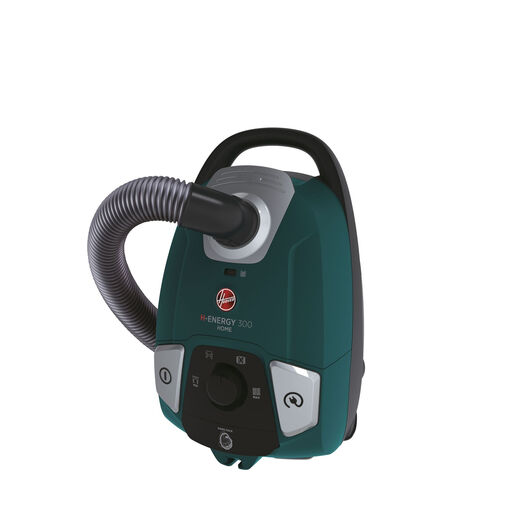
Consider this model if you want a bagged cylinder for the crumb job and regular cleaning. Its name specifies NanoPack compact storage, a 3.5 L capacity and 360-degree manoeuvrability. Measure the gap beneath your stools and confirm that the supplied tools can reach the crumbs.
 No image available
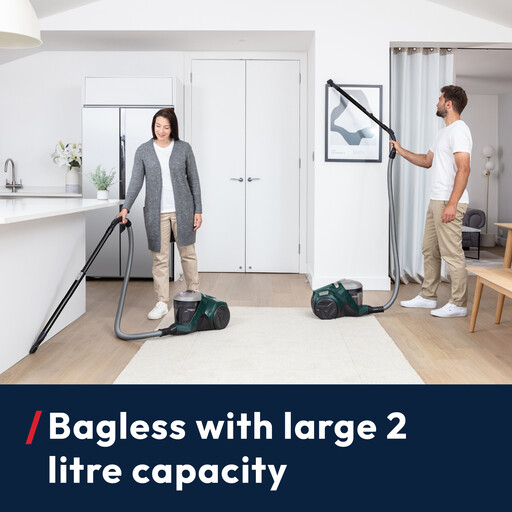
Consider this model if you prefer an emptyable container to replacement bags for general post-move cleaning. Its name states a 2 L capacity, 12 m reach and HEPA H13 filter. Check the floorhead and crevice-tool dimensions against the stool clearance, and make sure the emptying routine suits you.
 No image available
Consider this model for general cleaning where reaching narrow gaps is also part of the job. Its name states a 3 L capacity and 700 W rating; neither figure establishes whether a tool will fit around your stool legs. Check the included tool’s dimensions and the dust-container emptying instructions.
 No image available
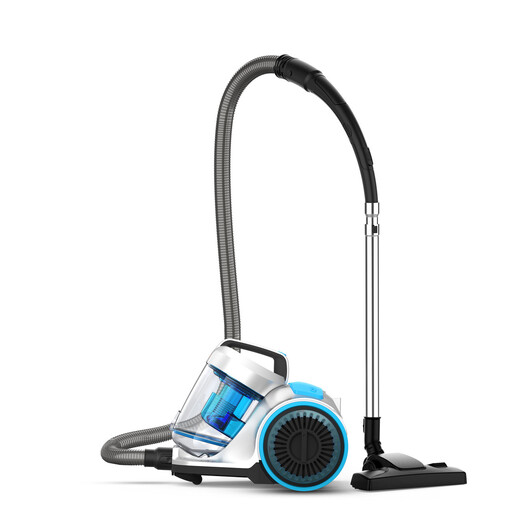
Consider this cylinder for the immediate crumb clean-up alongside routine floor cleaning. Before choosing it for stools, check whether its floorhead fits beneath them and whether the supplied narrow tool reaches past any braces. Confirm that its cord and hose give you enough reach in the rooms you intend to clean.
No: it can clean beneath a stool only if its profile fits the clearance and can pass any braces. Measure the gap and the distance to the crumbs; use a suitable crevice tool for spots the floorhead cannot reach.
Consider one when you also need to clear a substantial open hard-floor area after moving. It does not replace a narrow tool around stool legs; Miele UK lists both a 41 cm parquet brush and a crevice nozzle for its Guard S1 Parquet XL configuration.
Choose according to the disposal routine you prefer, provided the model’s tools can reach the crumbs. Bagless avoids replacement bags but requires container emptying; a bagged model requires compatible replacement bags.
No. SEBO’s AIRBELT E manual covers models with different specifications and attachments, so check the individual model’s included floorhead and crevice tool before ordering.
Check your local authority’s electrical-recycling instructions or a retailer’s current take-back arrangements before disposing of it. GOV.UK identifies the Waste Electrical and Electronic Equipment Regulations 2013, as amended, as the UK legislation covering electrical-equipment waste; the practical collection route depends on the service available to you.