Wardrobe-gap detail cleaners
If dust collects beside wardrobes, cabinets or skirting boards, the shape of the supplied crevice tool matters. A flexible nozzle is particularly relevant when a straight approach is blocked.


Choose a cylinder vacuum with a crevice tool that can reach the space beside your wardrobe: a straight tool may suit an open gap, while an included flexible nozzle is worth prioritising when furniture or skirting boards obstruct the approach. For routine family-home cleaning, also check cable reach, capacity, the supplied floorhead and how the vacuum handles dust disposal; none of those features makes up for a tool that cannot reach the gap.
If dust collects beside wardrobes, cabinets or skirting boards, the shape of the supplied crevice tool matters. A flexible nozzle is particularly relevant when a straight approach is blocked.
If the same corded vacuum must also cover regular floor cleaning, consider cable reach, capacity, storage and the supplied floorhead alongside access beside furniture.
If containing dust during disposal or choosing a particular filter is important to your household, check the exact bag and filter arrangement rather than assuming all cylinder vacuums handle dust alike.
Start with the wardrobe gap itself: its width and the angle of approach determine which tool to look for. Then assess whether the same vacuum fits the rest of your cleaning routine.
| Concern | What to check | Who this matters to |
|---|---|---|
| Access beside the wardrobe | Check the exact package for a crevice nozzle. If the approach bends around an obstruction, check whether a flexible nozzle is included. | If I cannot approach the gap head-on, I need a tool that reaches around the obstruction. Around 37% of consumers put gap access first. |
| Whole-home practicality | Compare cable or stated working reach, capacity and the supplied floorhead with your rooms and floor types. | When the wardrobe gap is only one part of my cleaning, I need the vacuum to work across the rest of the home too. For around 27% of consumers, whole-home practicality comes first. |
| Dust disposal and filtration | Check whether bags are required, the exact filter fitted and the replacement consumables for that model. | I want to know how I will dispose of collected dust and maintain the filter. Dust handling is the primary concern for around 18% of consumers. |
| Cleaning near furniture | Look for the stated bumper arrangement and adjustable power, while checking that the nozzle still fits the gap. | If I regularly move the cylinder close to wardrobes and other furniture, I care about contact with those surfaces and control near edges. Around 18% of consumers prioritise this concern. |
A replacement accessory being available does not mean it comes with the vacuum. A fixed nozzle may also be awkward where the approach is obstructed.
Check the accessory list for the exact model and package. If you need the nozzle to bend around an edge, confirm that a flexible one is supplied.
A suitable specialist nozzle may need to be obtained separately.
A power figure does not tell you whether the nozzle can enter the wardrobe gap or how the cylinder will move near furniture.
Check tool shape and access first, then consider controls and furniture protection for the rest of the room.
Bagged models need compatible replacement bags, and filter arrangements differ between models. A filtration claim for one variant should not be assumed for another.
Confirm the required bag and fitted filter for the exact model, along with how each is maintained or replaced.
Numatic’s Henry Home guidance advises against pulling the machine by its hose. A damaged plug or cable also needs attention before a corded vacuum is used.
Move the cylinder by its handle. If the plug or cable is damaged, stop using it until it has been appropriately checked or repaired.
Miele has bagged cylinder models with different tool and filter configurations.
Numatic’s bagged Henry cylinders include configurations for routine floor cleaning and detail work.
SEBO’s bagged cylinder range includes models with adjustable power and furniture-facing features.
These cylinder vacuums are choices to assess for wardrobe-side dusting and routine household cleaning. Before choosing one for a narrow or obstructed gap, confirm the shape and reach of the tool supplied with its exact variant.
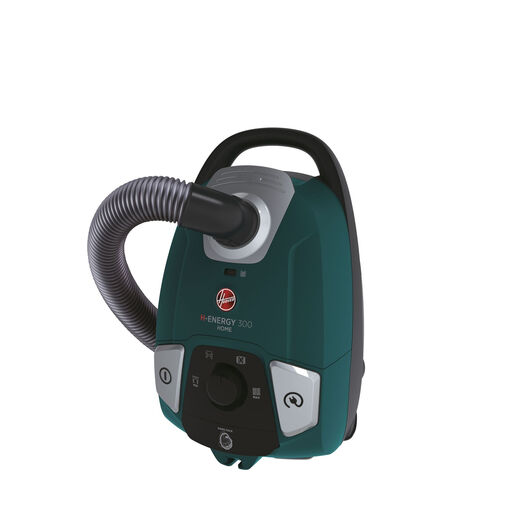 No image available
Consider this model if you want a bagged cylinder for household cleaning as well as wardrobe-side dusting; check that its supplied tool reaches your particular gap.
3.5 L capacity; NanoPack compact storage.
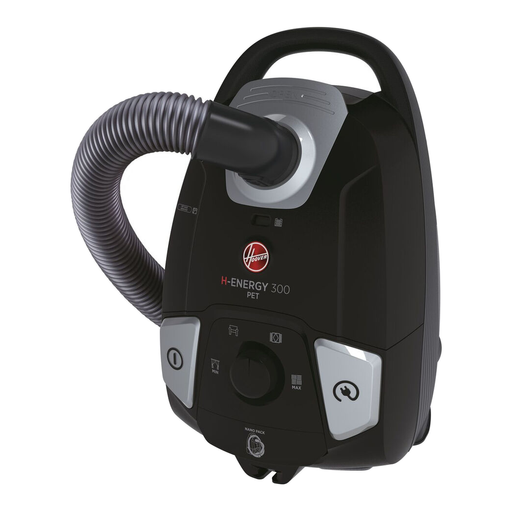 No image available
The pet-tool variant may suit a household considering that accessory alongside routine cleaning; check the separate crevice tool against the wardrobe gap.
3.5 L capacity; 7 m retractable cable; NanoPack compact storage.
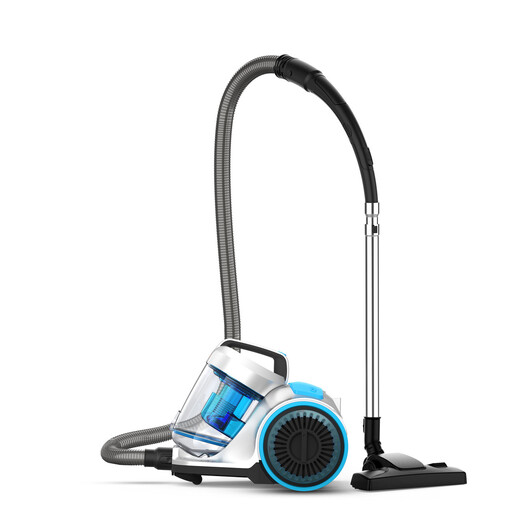 No image available
For wardrobe-side cleaning, compare the supplied detail tool with the width and approach angle of your gap before choosing this model.
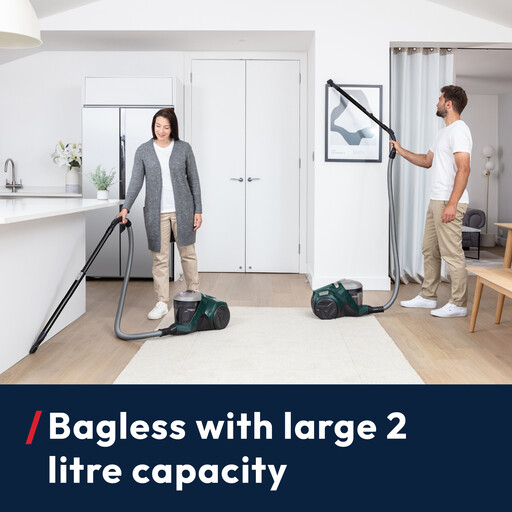 No image available
Consider this bagless model if its stated reach fits your household routine; check the supplied crevice tool for the wardrobe gap and how you will empty the bin.
2 L capacity; 12 m reach; HEPA H13 filter.
 No image available
If this model appeals for general household cleaning, confirm that its supplied detail tool can reach beside the wardrobe and check its dust-emptying arrangement.
3 L capacity; 700 W; grey and purple variant.
Not if a straight crevice tool can enter and reach the full gap. If the nozzle must bend around skirting boards or furniture, look for a flexible tool and confirm that it is included with the exact vacuum package.
Check the replacement bags required for the exact model and how its bag is removed. Numatic describes a self-seal tab on the Henry HVR160’s HepaFlo bag and says Henry Home is designed to be used with a bag; those details should not be assumed for other models.
Check the retailer’s current collection information or your local electrical-recycling arrangements before disposal. GOV.UK describes the UK’s waste electrical and electronic equipment framework, but collection options depend on the arrangement available to you.
Make sure the vacuum is suitable for the electrical supply and do not use it with a damaged plug or cable. The Health and Safety Executive advises checking electrical equipment for suitability and damage; this is general safety guidance, not an approval of a particular vacuum.