People cleaning beneath fixed shelves
If moving the shelving is impractical, the nozzle must fit the opening and reach past any supports. A long or flexible crevice tool may matter more to this task than the vacuum’s headline power figure.


Choose a cylinder vacuum by checking whether its crevice tool can reach the dust beneath your shelves, particularly where supports obstruct a straight nozzle. Then weigh that access against the cleaning range and capacity needed between stays, the floor head suited to the property, and the bags or filters you will need to maintain.
If moving the shelving is impractical, the nozzle must fit the opening and reach past any supports. A long or flexible crevice tool may matter more to this task than the vacuum’s headline power figure.
When several rooms need attention in one turnover, consider cleaning range, capacity and the effort of carrying the cylinder as well as its detail-cleaning tools.
If changing bags and maintaining filters are important parts of the cleaning routine, compare the exact model’s system and its compatible consumables. Filtration features should not be treated as a guarantee for an individual guest’s needs.
Check the shelf opening and the tool that must reach through it before comparing features for cleaning the rest of the property.
| Concern | What to check | Who this matters to |
|---|---|---|
| Access beneath shelves | Measure clearance and recess depth; check the crevice tool’s reach, flexibility and connection. | If supports block a straight path, I need a tool that can reach the dust without moving the shelves; around 33% of consumers put access to obstructed gaps first. |
| Turnover cleaning | Compare cleaning range and capacity alongside the weight you must carry. | With several rooms to clean between stays, I want fewer stops to change sockets or empty the vacuum. Roughly 27% of consumers prioritise an uninterrupted cleaning routine. |
| Floors and furnishings | Check the supplied floor head for the property’s surfaces and the chosen model’s castors or bumper. | If I clean around furniture and across different floors, the right head and contact points matter to me; about 20% of consumers place these considerations first. |
| Dust handling | Check the exact model’s bag or filter system and the compatible replacements. | When changing bags or cleaning filters, I want a routine I can manage consistently; around 20% of consumers make dust handling their primary concern. |
A straight tool may fit the opening yet stop at a shelf support or fall short of the dust.
Measure the recess and check the tool’s length, ability to bend and connection to the selected vacuum. Miele UK specifies a 55 cm reach and flexible centre section for its SFD 20, which fits Miele cylinder-vacuum handles.
A suitable flexible nozzle may need to be obtained separately.
A larger bag and longer cable may mean fewer interruptions, but the cylinder still has to be moved between rooms or up stairs.
Compare the figures against the property layout. Numatic International lists a 6 L capacity, 10 m cord, 25.8 m cleaning range and 7.5 kg weight for the Henry HVR160.
Filter arrangements differ by model, and a filtration label does not establish an outcome for a guest with particular health needs.
Check the named model and its compatible consumables. Numatic International specifies HEPA, TriTex and HepaFlo filtration for the Henry Allergy HVA160; that specification should not be assumed for other Henry models.
Replacement bags and filters are part of the ongoing maintenance routine.
Damage to a plug, cable or appliance can create an electrical danger, even if the vacuum still runs.
Inspect the equipment regularly and remove it from use if damage is found. The Health and Safety Executive advises maintenance appropriate to the equipment and its environment; hosts should also check requirements applying to their property and location.
Miele UK lists bagged Guard Flex cylinder models and the separate SFD 20 flexible crevice nozzle.
Numatic offers bagged cylinder models with different capacities and tool kits for routine room cleaning.
SEBO UK’s bagged AIRBELT E cylinder range includes integrated detail tools and model-dependent floor-head choices.
These cylinder-vacuum options are relevant to cleaning shelf edges and carrying out routine holiday-let cleaning. Check each model’s supplied tool against the actual shelf recess before choosing on capacity or floor-cleaning features.
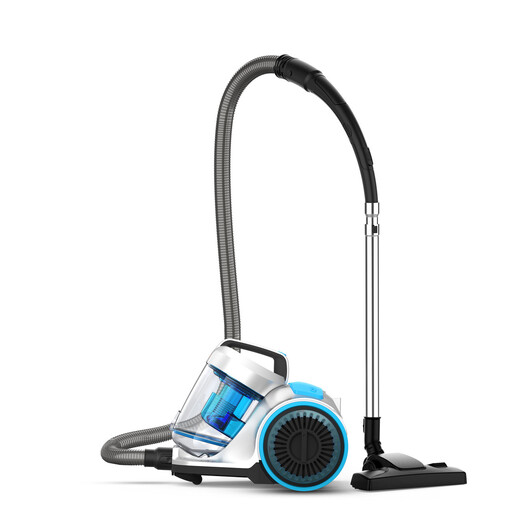 No image available
For dust beneath shelves, check whether this model’s crevice attachment can enter the gap and reach past its supports. Confirm that the supplied floor head suits the property’s surfaces.
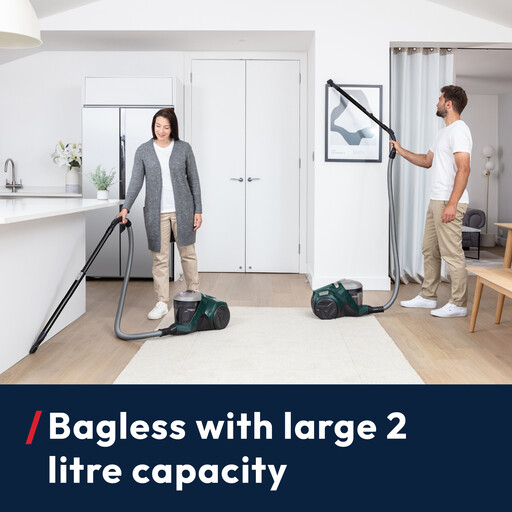 No image available
Consider this bagless model if its stated reach fits the room layout, but check the crevice tool separately for the shelf gap. The product name specifies a 2 L capacity, 12 m reach and HEPA H13 filter; confirm the compatible replacement filter for your maintenance routine.
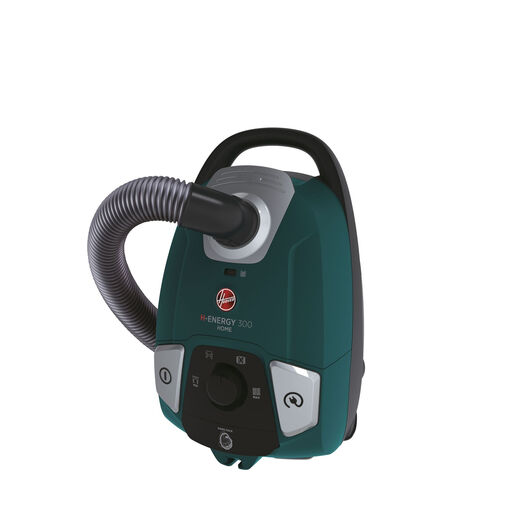 No image available
If a bagged vacuum suits the turnover routine, compare this model’s 3.5 L capacity with the effort of moving it around the property. Check that its crevice tool reaches beneath the shelves and that compatible replacement bags and filters are available.
 No image available
For a property where shelf gaps and routine floor cleaning both matter, check the included crevice tool and floor head against those separate jobs. The product name specifies a 3 L capacity and 700 W rating; the power rating alone does not establish how well it will clean the recess.
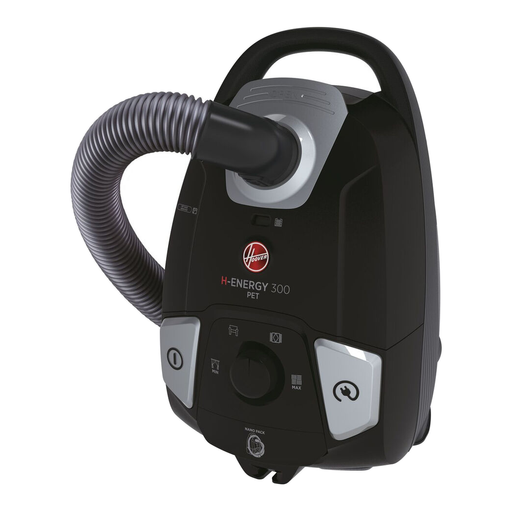 No image available
Consider this variant if the Pet Tool is relevant to the property, while checking the separate crevice tool for access beneath shelves. Its product name specifies a 3.5 L capacity and 7 m retractable cable; confirm the floor head and compatible replacement bags and filters.
Measure the lowest clearance, the depth of the recess and any supports blocking access from the front. Then compare those measurements with the crevice tool’s length, flexibility and connection; Miele UK specifies a 55 cm reach and flexible centre section for its SFD 20 nozzle.
A straight crevice tool may be enough for an unobstructed gap, while a flexible one is worth checking when the nozzle must turn around a support. Confirm whether the compatible tool comes with the chosen vacuum or is a separate accessory.
The Health and Safety Executive does not prescribe one annual testing frequency for every item of electrical equipment; maintenance depends on the equipment and its environment. Check the requirements applying to your property rather than treating that general guidance as a substitute for local licence conditions.
Check the relevant council’s short-term-let licence conditions and Scottish Government guidance on electrical-safety documentation before putting the vacuum into service. That guidance addresses Electrical Installation Condition Reports and Portable Appliance Testing reports; the requirements for a particular property should be confirmed with its council.
Check the plug, cable, hose, bag and filters regularly, and take damaged equipment out of use for an appropriate check or repair. Numatic International’s HVR160 manual also advises frequent bag checks, clean filters and regular examination of the power cord.