
24/7 Customer Support

Free returns

Same-day & Next-day Delivery

Quality Guaranteed

Unlock Your Welcome Offers: FREE Delivery | Up to 80% OFF | Free 30-day JoyPlus trial
Download the APP
Finding a reliable daily face sunscreen can feel like a full-time job. With promises of invisible finishes, all-day protection and skincare benefits, it's easy to end up with a bathroom cabinet full of products that don't live up to the hype. As a Product Recommendation Officer, my role is to help you navigate the market and identify what truly matters. Many people find themselves caught in a few common traps that lead to wasted money and frustration.
The most frequent pitfalls we see are:
To avoid these issues, focus on a few core parameters instead of marketing claims. Getting these right is the key to finding a formula you'll genuinely want to wear every day.
This is the non-negotiable foundation of any good sunscreen. Protection is broken down into two key areas:
The way a sunscreen feels and looks on your skin determines whether you'll use it consistently. The formula's base has the biggest impact on this.
Instead of a one-size-fits-all approach, the right sunscreen depends on your skin type and lifestyle. Here are a few recommendations matched to specific user needs.
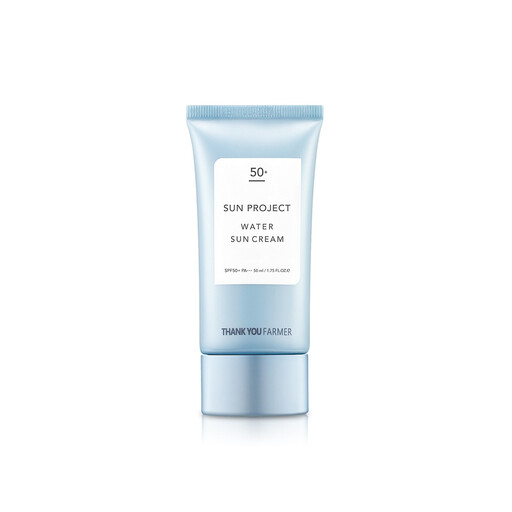
Why This Fits Their Persona: This Korean sunscreen is ideal for those with normal to dry skin who want a single product to hydrate, protect and prime. It provides a dewy, "glass skin" glow that sits beautifully under makeup, saving a step in the morning routine.
It directly counters the "pilling" trap with its unique "Sliding Texture Technique," which glides on smoothly and creates a seamless base. As a chemical/hybrid formula, it also avoids the "white cast" issue entirely.
Intense moisture infusion from ingredients like Bamboo Water and Sodium Hyaluronate. Acts as an excellent moisturiser and primer in one.
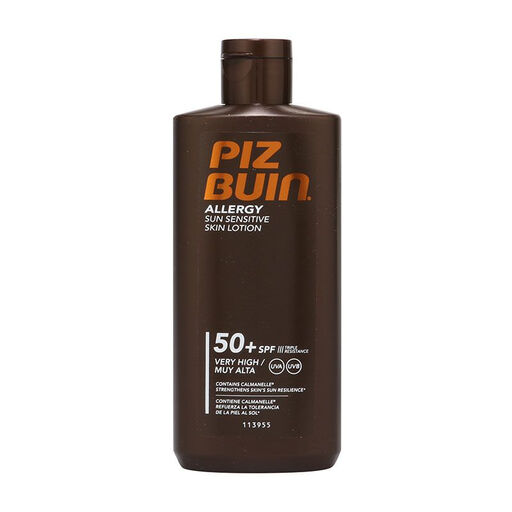
Why This Fits Their Persona: For those whose skin reacts to sun or certain ingredients, finding a safe option is paramount. This lotion was developed specifically for sun-sensitive skin, aiming to calm and protect without causing irritation.
It sidesteps the risk of irritation from generic "skincare" sunscreens by using a specific anti-irritant shield complex (Calmanelle) and Feverfew PFE to help soothe the skin and improve its tolerance to UV exposure.
Specifically formulated for sun-intolerant skin. Provides hours of moisturisation to soothe and prevent peeling and is sweat and water-resistant.
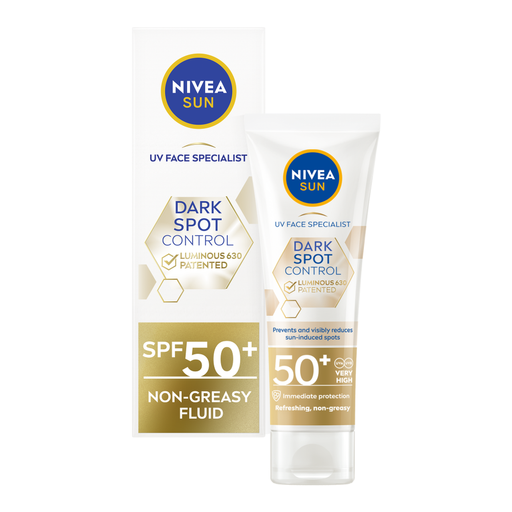
Why This Fits Their Persona: This is for the user who sees sunscreen as their primary anti-ageing tool and is actively looking to prevent and reduce sun-induced hyperpigmentation. It combines high protection with a targeted treatment ingredient.
It moves beyond vague "skincare benefits" by incorporating a patented ingredient, Luminous630, which is specifically aimed at reducing the appearance of dark spots. Its lightweight fluid texture also minimises the risk of pilling.
A 2-in-1 formula that provides high SPF50+ protection while actively working to even skin tone. The non-greasy fluid is suitable for all skin types.
We have compiled a complete, real-time list of products that fully satisfy these strict selection criteria and UK safety regulations.
The general guidance for achieving the labelled SPF is to use about a quarter-teaspoon for your face alone. A more practical method is the "two-finger rule": squeeze a line of sunscreen along the length of your index and middle fingers, and apply that amount to your face and neck. Using less than this will significantly reduce your level of protection.
While you can, it's often not ideal. Facial sunscreens are typically formulated to be lighter, non-comedogenic (less likely to clog pores) and more cosmetically elegant for wear under makeup. Body sunscreens can be thicker, greasier and may cause breakouts or feel uncomfortable on the face for daily use.
Yes. UVB rays, which cause burning, are mostly blocked by clouds and glass. However, UVA rays, which cause premature ageing and increase skin cancer risk, can penetrate both. If you work near a window or spend time commuting, you are still being exposed. Making sunscreen a daily habit, regardless of the weather, is the most effective approach to long-term skin health.