
24/7 Customer Support

Free returns

Same-day & Next-day Delivery

Quality Guaranteed

Unlock Your Welcome Offers: FREE Delivery | Up to 80% OFF | Free 30-day JoyPlus trial
Download the APP
Finding a reliable daily face sunscreen can feel like a chore. Many promise the world but deliver a greasy finish, a ghostly white cast or worse, cause breakouts. As a daily essential for anyone in the UK serious about their skin's health, choosing the right one shouldn't be a gamble. The goal is simple: effective protection that feels like you are wearing nothing at all.
As the Joybuy Product Recommendation Officer, my role is to help you navigate the crowded market. We will look past the marketing jargon and focus on what truly matters, helping you avoid the common pitfalls that lead to wasted money and a half-used bottle gathering dust in your bathroom cabinet.
Before we look at what makes a good sunscreen, let's identify the frequent issues that catch buyers out:
lightweight sunscreen, and start your makeup. Suddenly, everything starts to roll up into small, frustrating balls. This "pilling" often happens when a sunscreen's texture is incompatible with other skincare or makeup, usually due to certain silicones or polymers, rendering it useless for daily wear.To ensure you are getting effective protection that you will actually want to wear every day, focus on these three non-negotiable parameters.
Sunlight contains different types of UV rays. It is crucial your sunscreen protects against both.
anti-ageing sun cream must have high UVA protection.Sunscreens use two types of filters to block UV rays, and the right one for you often depends on your skin's needs.
sunscreen for sensitive skin because they are less likely to cause irritation. Modern formulas use micronised particles to avoid a heavy white cast.lightweight sunscreen textures that absorb quickly with an invisible finish. If you have reactive skin, it is wise to check the ingredients, but most modern formulas are well-tolerated.The formula's texture determines if you will use it consistently.
sunscreen for oily skin should feel weightless and help control shine, not add to it.Based on these practical criteria, here are a few options that align with specific user needs and avoid the common purchasing traps.
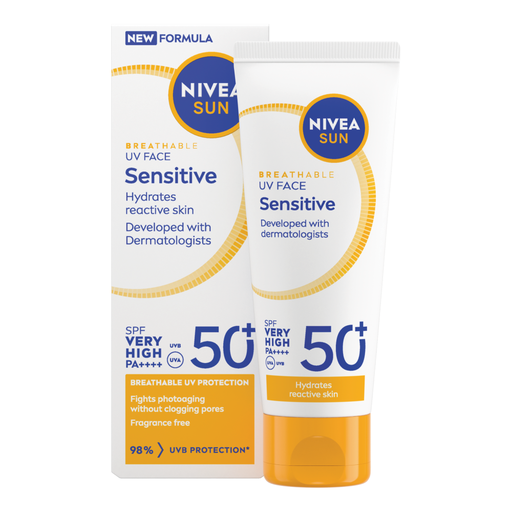
Why This Fits Their Persona: This is for the daily commuter who needs reliable, high SPF protection that won't irritate their reactive skin or interfere with their morning routine. It is designed to be worn comfortably all day in an urban environment.
Its lightweight, 0% greasy and non-comedogenic formula is specifically developed for sensitive skin, preventing the clogged pores and irritation that make other sunscreens unusable for daily wear.
Offers high SPF50+ and PA++++ protection. The formula is fragrance-free and dermatologically approved, making it a dependable choice for easily irritated skin.
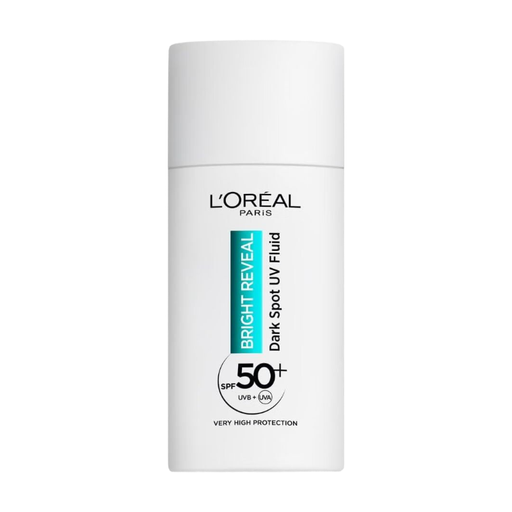
Why This Fits Their Persona: This user wants more than just sun protection; they want an anti-ageing sun cream that actively works to improve their skin. This fluid combines high SPF with proven skincare ingredients for a multi-pronged approach.
It directly solves the "white cast" and "pilling" problems. The invisible, ultra-lightweight fluid texture is confirmed in consumer studies to blend seamlessly, acting as an effective makeup primer rather than disrupting it.
It is formulated with Vitamin C and Vitamin E to provide antioxidant protection against environmental damage, while also helping to reduce the appearance of dark spots over time.
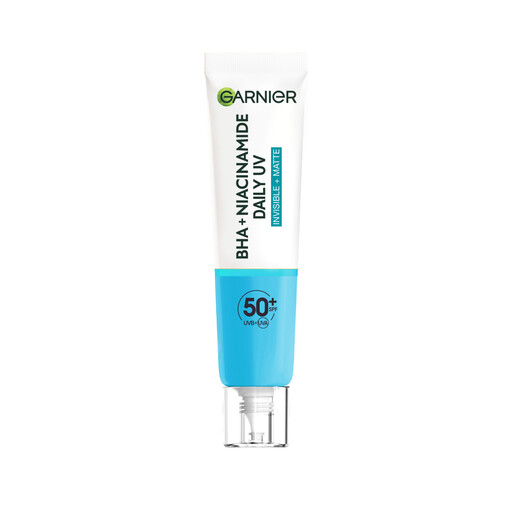
Why This Fits Their Persona: This user is often wary of sunscreen, fearing it will feel heavy, clog pores and worsen breakouts. This product is specifically formulated to provide high protection while actively addressing the concerns of oily, imperfection-prone skin.
It tackles the "greasy mask" feeling head-on with an instantly mattifying, dry-touch finish. The non-comedogenic formula with BHA (Salicylic Acid) directly counters the fear that daily SPF will lead to more blemishes.
This is a 2-in-1 product, combining SPF50+ protection with derm-actives (BHA and Niacinamide) known to visibly reduce blemishes, pores and excess sebum. It leaves an invisible, matte finish.
We have compiled a complete, real-time list of products that fully satisfy these strict selection criteria and UK safety regulations.
Yes. Up to 80% of the sun's UVA rays can penetrate cloud cover. These are the rays responsible for skin ageing. Consistent daily application is one of the most effective measures for maintaining long-term skin health, regardless of the weather.
A commonly cited guideline is the "two-finger rule." Squeeze a line of sunscreen onto your index and middle fingers from base to tip. This amount is generally sufficient to cover your face and neck adequately. Under-applying significantly reduces the level of protection stated on the bottle.
While you can in a pinch, it is not ideal for daily use. Body sunscreens are often formulated to be thicker, heavier and more occlusive to withstand water and friction. This can feel greasy on the face and may be a non-comedogenic sunscreen, potentially leading to clogged pores and breakouts for those with sensitive or oily skin. Facial sunscreens are specifically designed to be more lightweight and cosmetically elegant for everyday wear.